Silane monomers are low-molecular-weight organosilicon compounds containing a reactive silicon atom bonded to hydrolyzable groups (such as methoxy or ethoxy) and an organic functional group (such as amino, epoxy, vinyl, or methacryloxy). Their typical structure can be represented as R–Si(OR’)₃, where the alkoxy groups react with inorganic surfaces (glass, metal oxides, silica), and the organic group reacts with polymers.
Because of this dual reactivity, silane monomers function as molecular bridges between inorganic materials and organic polymers. They are widely used as coupling agents, adhesion promoters, crosslinkers, and surface modifiers in coatings, composites, rubber, electronics, sealants, and construction materials to improve bonding strength, durability, and moisture resistance.
For high-performance adhesion, surface modification, and crosslinking solutions, trust SiliconChemicals Silane Monomers. We offer a comprehensive portfolio covering amino, epoxy, vinyl, methacryloxy, mercapto, alkyl, and specialty functional silanes — manufactured under strict quality control with global export compliance (REACH / TSCA ready). Whether you are optimizing composites, coatings, sealants, electronics, or construction formulations, our technical team is ready to support your formulation development and supply stability. **Contact SiliconChemicals™ today for technical data sheets, samples, and bulk pricing.**
Silane monomers are classified based on reactive group type, organic substitution, and downstream polymerization behavior. Because they directly determine silicone network structure, their classification must follow chemical functionality rather than application marketing.
Structural basis:
RnSiCl4−nR_nSiCl_{4-n}RnSiCl4−n
Typical Products
Characteristics
Structural basis:
RSi(OR′)3RSi(OR’)_3RSi(OR′)3
Typical Products
Characteristics
Structural basis:
RSi(OAc)3RSi(OAc)_3RSi(OAc)3
Typical Products
Characteristics
| Type | Functional Impact |
|---|---|
| Methyl-based | General-purpose silicone production |
| Vinyl-functional | Enables crosslinking |
| Phenyl-functional | Improves heat resistance |
| Long-chain alkyl | Hydrophobic modification |
| Amino / Epoxy / Mercapto | Functional reactive monomers |
Based on the value of n:
RnSiX4−nR_nSiX_{4-n}RnSiX4−n
This classification determines final silicone architecture.
| Category | Reactivity | Typical Use |
|---|---|---|
| Chlorosilane Monomers | Very High | Silicone backbone synthesis |
| Alkoxysilane Monomers | High | Functional silanes, crosslinkers |
| Acetoxysilane Monomers | Controlled | Sealants |
| Functional Silane Monomers | Targeted | Specialty applications |
Silane monomers are classified by reactive group chemistry and organic substitution. The correct classification system must reflect polymerization behavior, crosslink density potential, and downstream material architecture. These monomers serve as the molecular blueprint for silicone oils, elastomers, resins, and specialty functional materials.
Silane monomers are used because they are the molecular foundation of silicone chemistry. They determine polymer structure, crosslink density, reactivity, and final material performance. Selecting the correct silane monomer allows precise control over mechanical strength, thermal stability, flexibility, and chemical resistance in downstream silicone products.
Most silane monomers follow:
The value of n determines network formation:
Silane monomers act as structural blueprints for final silicone materials.
Hydrolyzable groups (Cl, OR, OAc) allow:
Without silane monomers, silicone networks cannot form.
Changing the organic group (R) modifies performance:
| R Group | Resulting Property |
|---|---|
| Methyl | Flexibility, low Tg |
| Vinyl | Crosslinking capability |
| Phenyl | Improved heat resistance |
| Functional groups | Adhesion, reactivity, compatibility |
This enables engineered materials tailored to specific industrial applications.
Chlorosilane monomers are the starting materials for:
They form the backbone of global silicone production.
Silane monomers offer:
They ensure efficient and predictable manufacturing.
Silane monomers are used because they provide the reactive silicon centers that enable controlled polymer formation, structural customization, and scalable silicone manufacturing. They are not just raw materials — they are the molecular design tools behind modern silicone materials.
If needed, I can next provide a short commercial website version or a highly technical engineering-focused version.
Selecting the right silane monomer requires aligning reactive group chemistry, organic substitution, downstream polymer structure, and processing conditions. Because silane monomers directly determine the architecture of the final silicone or functional material, improper selection can lead to performance instability, incomplete curing, or poor compatibility.
Most silane monomers follow the general structure:
RnSiX4−nR_nSiX_{4-n}RnSiX4−n
Where:
The value of n determines crosslinking density:
👉 Choose based on whether you need flexible silicone oil, elastomer, or rigid resin.
Used in moisture-curing sealant systems
Choose based on process infrastructure and safety requirements.
The R group directly impacts final material properties:
| R Group | Effect |
|---|---|
| Methyl | Flexibility, general-purpose silicone |
| Vinyl | Enables crosslinking reactions |
| Phenyl | Improves heat resistance |
| Long alkyl chain | Hydrophobicity |
| Functional groups (NH₂, epoxy, SH) | Reactive modification |
Match substituent selection with mechanical, thermal, or chemical performance targets.
For stable polymerization:
High-purity monomers ensure predictable reaction kinetics and molecular weight control.
Chlorosilanes require dry systems; alkoxysilanes offer more flexibility.
| Type | Reactivity | Handling Complexity | Typical Use |
|---|---|---|---|
| Chlorosilanes | Very High | High | Bulk silicone production |
| Alkoxysilanes | High | Moderate | Functional silanes |
| Functional silane monomers | Targeted | Controlled | Specialty materials |
Selection should balance technical performance with production economics.
To choose the right silane monomer:
Silane monomers are the molecular blueprint of your final material. Proper selection ensures controlled polymer structure, stable performance, and efficient manufacturing. The right choice begins with understanding the chemistry you intend to build.
Packaging: 500 g / 1 kg / 5 kg / 25 kg / 200 kg drums / 1000L IBC container (Customized packaging is available).
At SiliconChemicals, we supply high-purity silane monomers engineered for consistent reactivity, controlled polymer architecture, and reliable large-scale production. Whether you are manufacturing silicone oils, elastomers, resins, or specialty functional silanes, our technical team is ready to support your formulation and process optimization. Contact us today to request detailed specifications, samples, and customized bulk supply solutions tailored to your downstream manufacturing needs.
Disclaimer
“The information provided herein is based on general industry experience and is intended for reference purposes only. Actual performance and optimal usage conditions may vary depending on formulation, processing methods, substrate characteristics, and end-use requirements. Users are responsible for conducting their own tests and evaluations to determine suitability for their specific applications. No warranty, express or implied, is made regarding the completeness, accuracy, or applicability of this information.”
Have a question, need a quote, or want to discuss your project? We’re here to help.
Selecting the right silane coupling agent is only the first step. Achieving optimal performance often requires application-specific evaluation and formulation optimization. Our technical team provides comprehensive support to ensure successful implementation across diverse material systems.

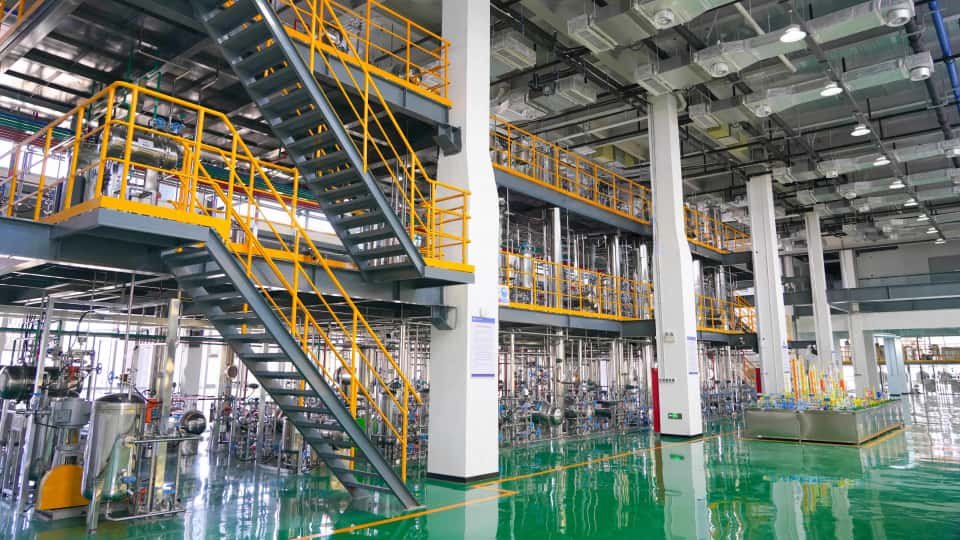
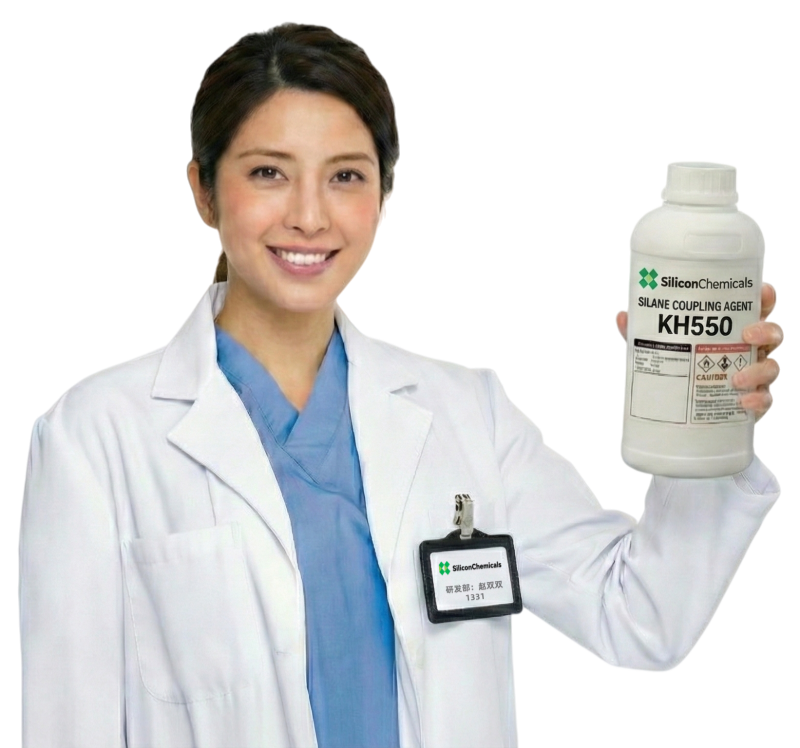
From Standard Supply to Customized Requirements
Built on technical expertise, manufacturing capability, and reliable supply
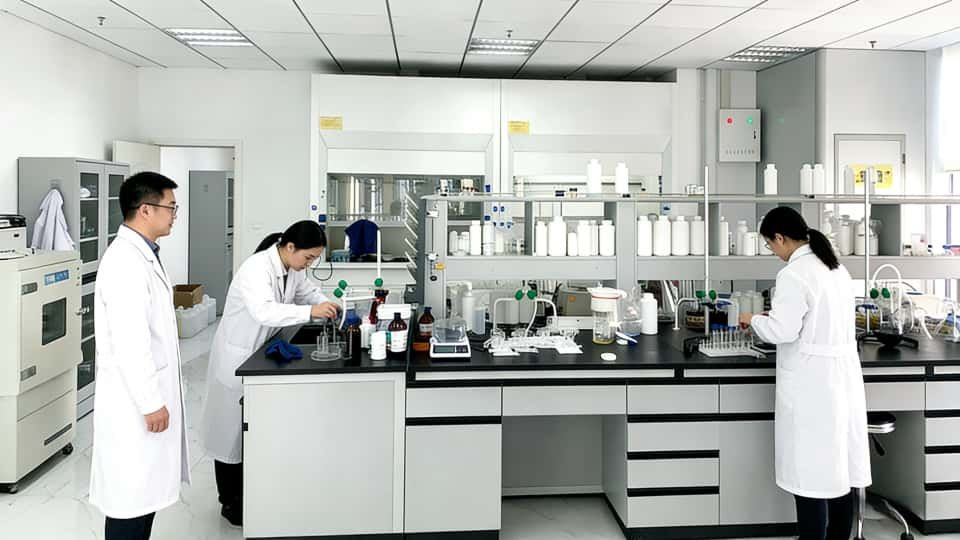
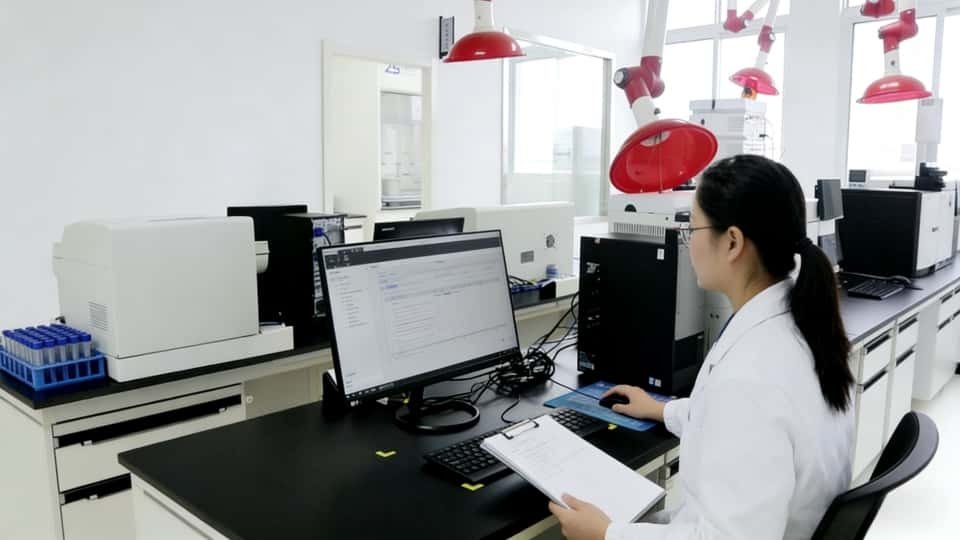
Supports batch quality verification & application-oriented testing, ensuring consistent performance & reliable product quality.
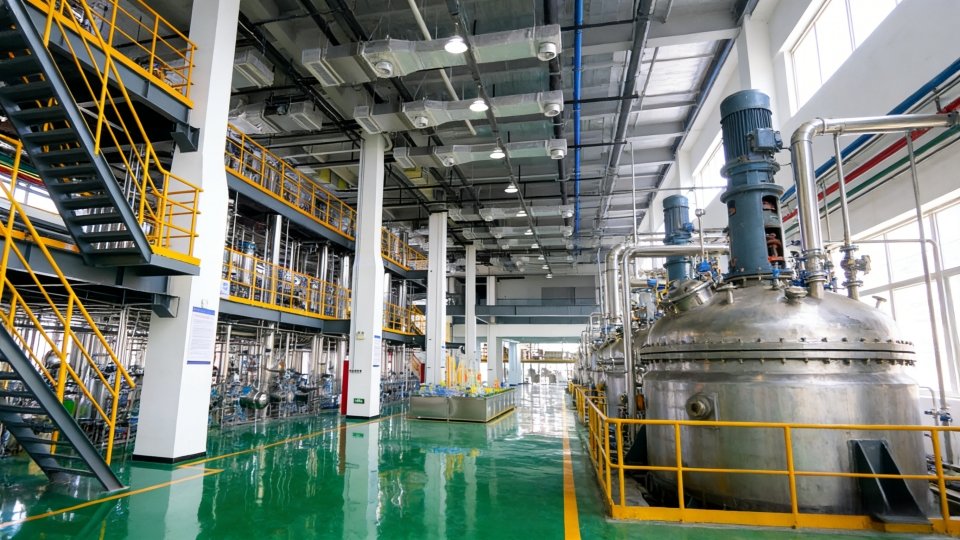
Stable, scalable manufacturing with standardized processes, supporting both regular supply and bulk industrial demand.
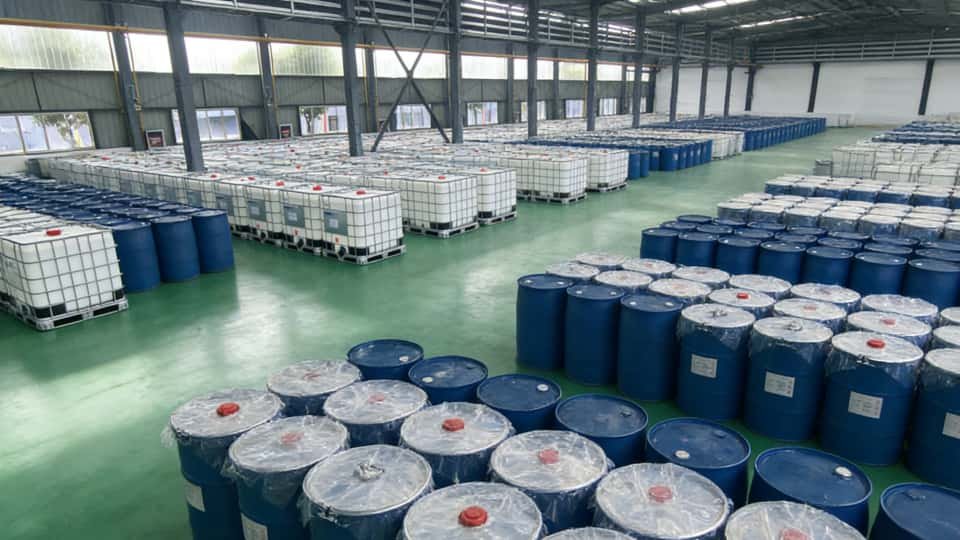
Products are stored under controlled conditions with standardized packaging, enabling efficient order fulfillment and reliable global delivery.

Clear communication and application-focused support, helping customers select suitable products and streamline procurement.
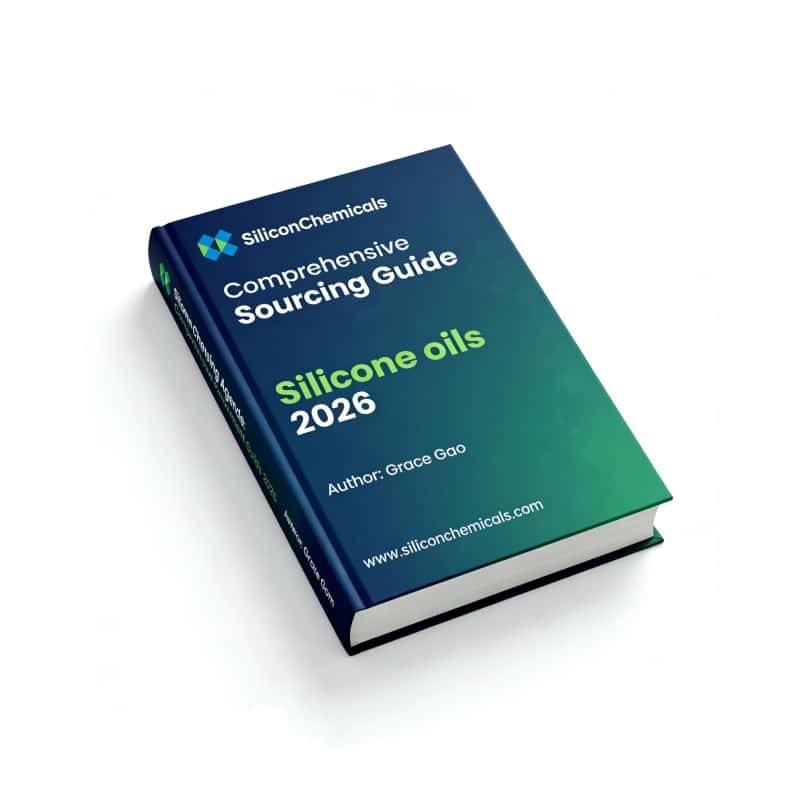
Navigate the complexities of the global Silicone oils market. This definitive report provides actionable insights, vetted supplier landscapes, and strategic sourcing methodologies to optimize your supply chain in the year ahead.
