Product Overview

What are Silane Intermediates? 

Silane intermediates are reactive organosilicon compounds used as transitional materials in the production of silane coupling agents, silicone polymers, surface modifiers, and specialty silicon chemicals. They typically contain a single silicon atom bonded to reactive groups such as chlorine (–Cl), alkoxy (–OR), or other hydrolyzable substituents, enabling further chemical transformation. Silane intermediates are reactive organosilicon building blocks containing hydrolyzable silicon centers. They function as upstream chemical precursors in the manufacture of silicone polymers and functional silane products, bridging basic silicon chemistry and high-value application materials.

Partner with SiliconChemicals for high-purity, performance-grade silane intermediates engineered to support your downstream production of silicone polymers, coupling agents, and specialty organosilicon materials. Contact us today for technical data sheets, customized specifications, and reliable global bulk supply solutions tailored to your industrial processing requirements.

Silane intermediates

Classification & Types

Silane intermediates are reactive organosilicon compounds positioned between basic silicon chemistry and finished functional silanes or silicone materials. They are classified primarily by reactive group type, organic substitution, and downstream application pathway.

CategoryCore StructureReactivityPosition
ChlorosilanesSi–ClVery HighUpstream
AlkoxysilanesSi–ORHighMidstream
AcetoxysilanesSi–OAcModerateMidstream
Functional Silane IntermediatesY–Si(OR)₃Application-specificLate Midstream

1️⃣ Classification by Reactive Group

Structural Basis

RnSiCl4−nR_nSiCl_{4-n}

Typical Products
  • Methyltrichlorosilane (MTCS)
  • Dimethyldichlorosilane (DMDCS)
  • Vinyltrichlorosilane
  • Phenyltrichlorosilane
  • Trimethylchlorosilane
Industrial Role
  • Primary feedstock for silicone polymer production
  • Precursor to cyclic siloxanes (D3, D4, D5)
  • High reactivity, moisture sensitive

👉 Positioned at the upstream processing stage.

Structural Basis

RSi(OR′)3RSi(OR’)_3

Typical Products
  • Methyltrimethoxysilane
  • Methyltriethoxysilane
  • Vinyltriethoxysilane
  • Ethyltriethoxysilane
  • Phenyltriethoxysilane
Industrial Role
  • Precursor to silane coupling agents
  • Crosslinking agents in sealants
  • Surface treatment intermediates

👉 Often one processing step away from finished silane products.

Structural Basis

RSi(OAc)3RSi(OAc)_3

Typical Products
  • Methyltriacetoxysilane
  • Vinyltriacetoxysilane
Industrial Role
  • RTV silicone curing systems
  • Moisture-curing sealant intermediates

2️⃣ Classification by Organic Substitution

  • Most common industrial silane base
  • Used in general silicone polymer production
  • Enables crosslinking
  • Used in silicone rubber systems
  • Improves thermal stability
  • Used in high-temperature silicone resins
  • Hydrophobic modification
  • Surface treatment chemicals
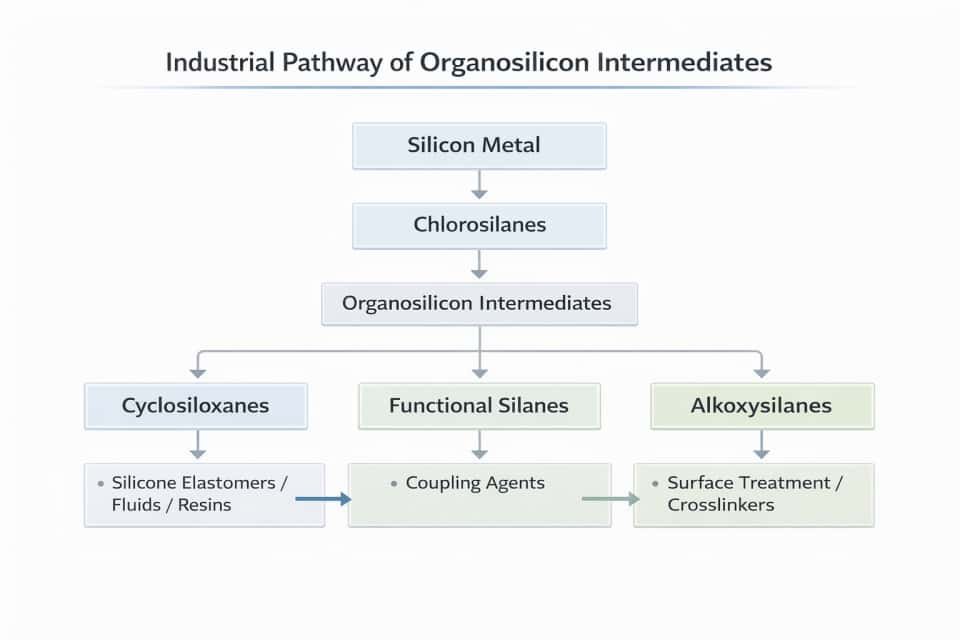
Industrial Pathway of Organosilicon Intermediates

Silane intermediates are reactive organosilicon compounds containing hydrolyzable silicon centers (Cl, OR, OAc). They serve as transitional chemical building blocks between basic silicon feedstock and finished silicone polymers or functional silane products. Their classification is best structured by reactive group type and downstream industrial function.

Why Use Silane Intermediates?

Silane intermediates are used because they provide reactive silicon building blocks that enable controlled synthesis of silicone polymers, silane coupling agents, crosslinkers, and specialty organosilicon materials. They offer flexibility, scalability, and molecular-level design control in silicon chemistry.

Most silane intermediates follow the structure:

RnSiX4−nR_nSiX_{4-n}

Where:

  • R = organic substituent

  • X = hydrolyzable group (Cl, OR, OAc)

These reactive groups allow:

  • Hydrolysis and condensation
  • Formation of Si–O–Si networks
  • Functional substitution
  • Tailored polymer architecture

This makes them essential precursors in silicone synthesis.

Chlorosilane intermediates are the starting point for producing:

  • Cyclic siloxanes (D3, D4, D5)
  • Silicone oils
  • Silicone rubbers
  • Silicone resins

Without silane intermediates, large-scale silicone manufacturing is not possible.

By changing the organic group (R), manufacturers can adjust:

  • Thermal resistance (phenyl groups)
  • Crosslinking capability (vinyl groups)
  • Flexibility (methyl systems)
  • Hydrophobicity (long-chain alkyl groups)

This allows precise performance tuning.

Using intermediates enables:

  • In-house functionalization
  • Custom silane synthesis
  • Proprietary formulations
  • Cost optimization in bulk production

They provide strategic control over downstream product development.

Silane intermediates sit between:

Silicon metal → Chlorosilanes → Functional silanes / Silicone polymers

They are the chemical transition layer that connects upstream silicon chemistry with high-value application materials.

Silane intermediates are used because they offer reactive, scalable, and structurally tunable silicon centers that form the foundation of modern silicone and silane chemistry. They are not end-use products, but critical industrial building blocks that enable advanced material manufacturing.

How to Choose the Right Silane Intermediates?

Selecting the correct silane intermediate requires aligning reactive group chemistry, organic functionality, downstream target product, and process conditions. Because silane intermediates are not end-use materials, the decision must be based on what you intend to synthesize next.

Start with the final product you plan to manufacture:

Downstream ProductRecommended Intermediate Type
Silicone oils / PDMSDimethyldichlorosilane (DMDCS)
Silicone resinsMethyltrichlorosilane (MTCS)
Silicone rubberVinyl-containing chlorosilanes
Silane coupling agentsAlkoxysilanes
Moisture-curing sealantsAcetoxysilanes

👉 The intermediate must match the intended polymer or functional silane architecture.

Core structural framework:

RnSiX4−nR_nSiX_{4-n}

Where:

  • X = Cl → High reactivity, industrial-scale polymer production
  • X = OR → Controlled hydrolysis, silane modification
  • X = OAc → Moisture-curing systems

Guideline:

  • Large-scale silicone manufacturing → Chlorosilanes
  • Surface treatment / functional silanes → Alkoxysilanes
  • Sealant curing systems → Acetoxysilanes

The organic substituent determines performance:

R GroupFunctional Effect
MethylGeneral-purpose, flexible systems
VinylEnables crosslinking
PhenylImproves thermal resistance
Long-chain alkylHydrophobic modification
Functional groups (–NH₂, epoxy, SH)Enables further reaction

Choose based on required mechanical, thermal, or chemical performance.

Important technical factors:

  • Moisture sensitivity
  • Handling requirements (chlorosilanes are highly reactive)
  • Reactor material compatibility
  • Storage stability
  • Hydrolysis control

Chlorosilanes require strict dry handling systems, while alkoxysilanes are easier to manage.

For high-end silicone applications:

  • Low iron and metal impurities
  • Controlled hydrolyzable content
  • Consistent substitution ratio

Higher purity → more predictable polymerization behavior.

TypeReactivityHandling ComplexityCost Level
ChlorosilanesVery HighHighModerate
AlkoxysilanesHighModerateHigher
AcetoxysilanesControlledEasierModerate

Choose based on production scale and safety infrastructure.

To choose the right silane intermediate:

  1. Define downstream product target
  2. Select reactive group (Cl / OR / OAc)
  3. Choose organic substituent (methyl / vinyl / phenyl / functional)
  4. Verify process compatibility
  5. Confirm purity requirements
  6. Optimize cost-performance ratio

The right silane intermediate is determined not by the intermediate itself, but by the chemistry you intend to build from it. Proper selection ensures reaction control, product consistency, manufacturing efficiency, and long-term performance stability.

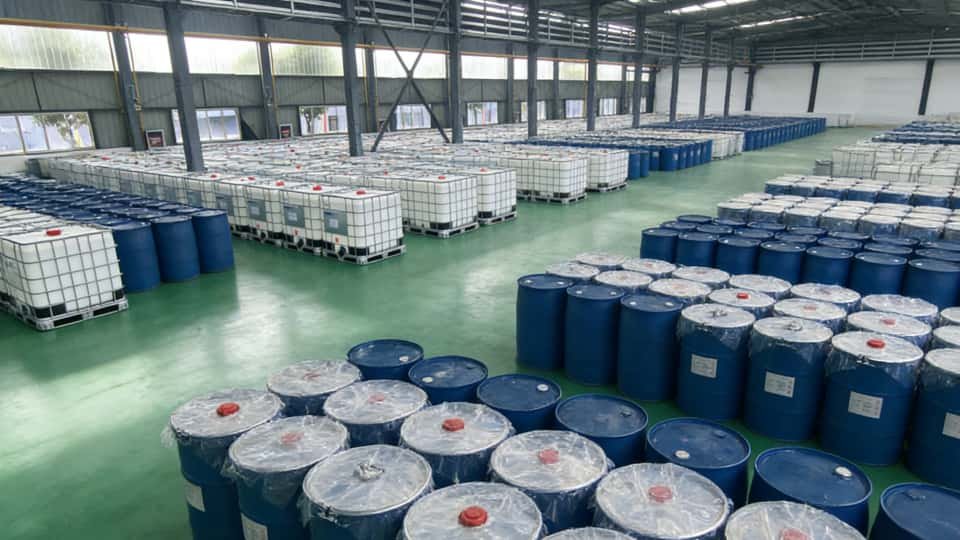
Packaging & Storage

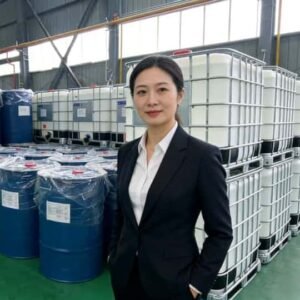
Packaging:  500 g / 1 kg / 5 kg / 25 kg / 200 kg drums / 1000L IBC container (Customized packaging is available).

Start Building with High-Purity Silane Intermediates

Ready to optimize your silicone production or develop customized organosilicon materials? SiliconChemicals supplies industrial-grade silane intermediates with consistent purity, reliable global logistics, and technical support tailored to your manufacturing requirements. Contact our team today to request detailed specifications, samples, and bulk pricing solutions designed to support your downstream processing efficiency and product performance.

Disclaimer

“The information provided herein is based on general industry experience and is intended for reference purposes only. Actual performance and optimal usage conditions may vary depending on formulation, processing methods, substrate characteristics, and end-use requirements. Users are responsible for conducting their own tests and evaluations to determine suitability for their specific applications. No warranty, express or implied, is made regarding the completeness, accuracy, or applicability of this information.”

Get a Quote / Sample

Have a question, need a quote, or want to discuss your project?   We’re here to help.

Technical Support & Customization

Selecting the right silane coupling agent is only the first step. Achieving optimal performance often requires application-specific evaluation and formulation optimization. Our technical team provides comprehensive support to ensure successful implementation across diverse material systems.

Organosilicon Laboratory

Application & Technical Support

silane coupling agent

Sample Evaluation & Testing

silane coupling agent

Customized Functional Structures

Siliconchemicals-Workshop

Formulation Optimization

R&D-Zhao

From Standard Supply to Customized Requirements

Whether you are sourcing standard-grade products or require customized specifications, packaging, or supply arrangements, our team is ready to support your needs. Contact us to discuss technical requirements, order details, and long-term cooperation options.

Why Choose SiliconChemicals ?

Built on technical expertise, manufacturing capability, and reliable supply

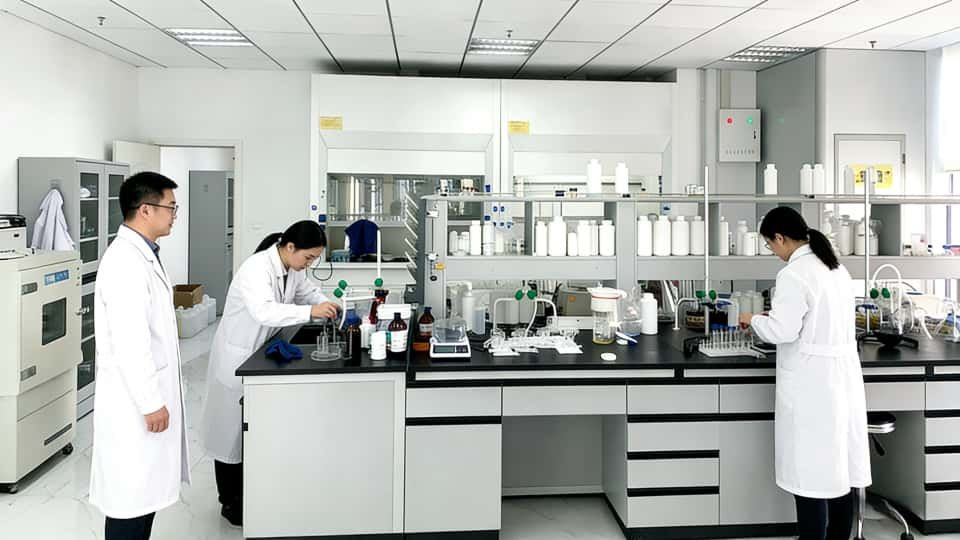
Organosilicon Laboratory

Laboratory & Quality Control

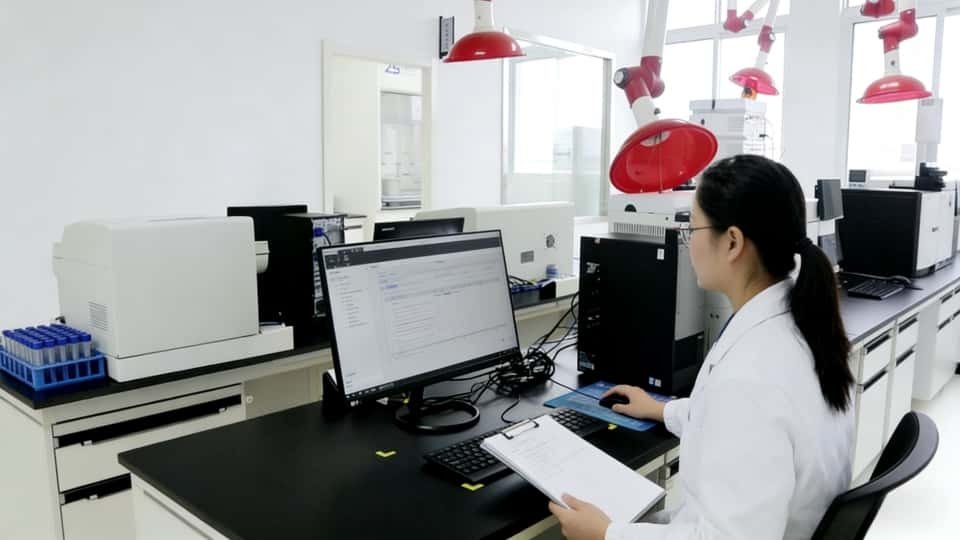
Supports batch quality verification & application-oriented testing, ensuring consistent performance & reliable product quality.

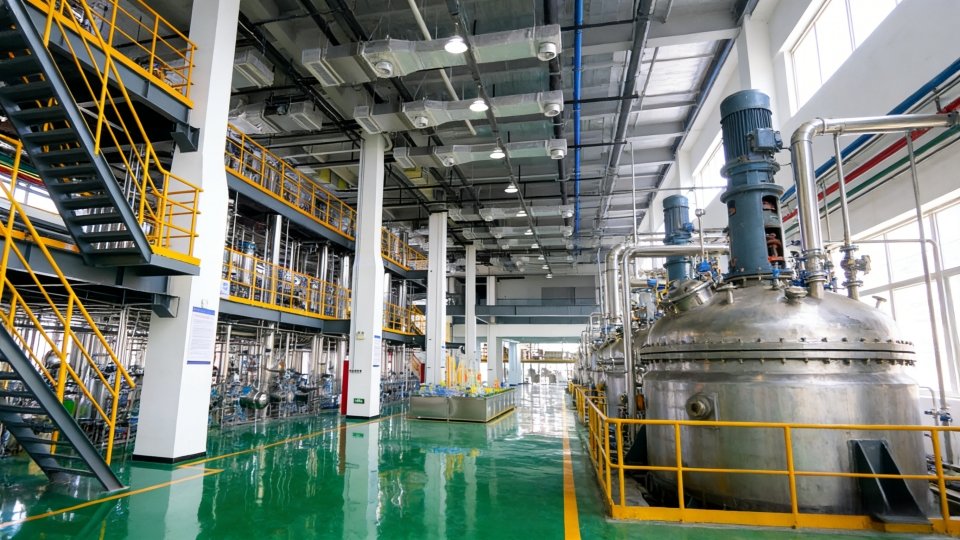
reactor

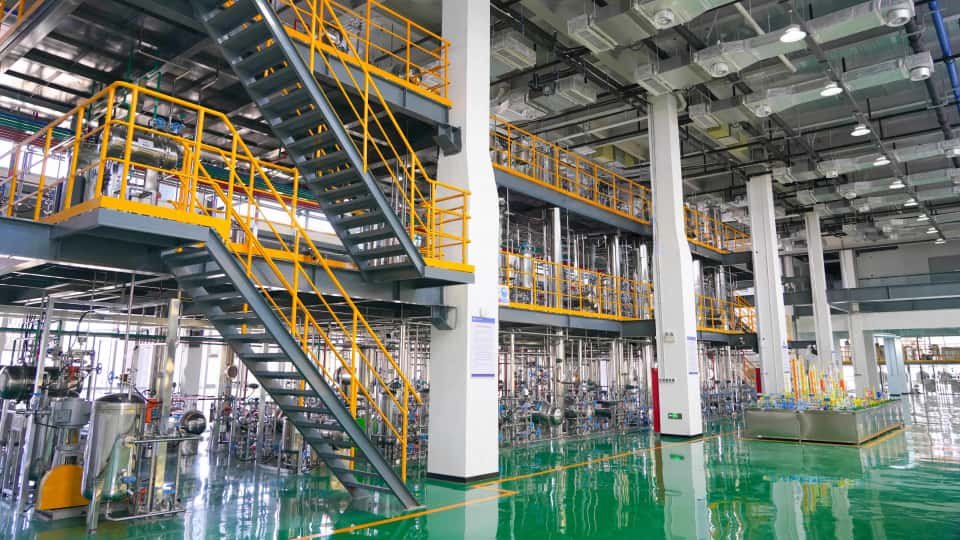
Manufacturing Capability

Stable, scalable manufacturing with standardized processes, supporting both regular supply and bulk industrial demand.

Finished product warehouse

Warehouse & Logistics Support

Products are stored under controlled conditions with standardized packaging, enabling efficient order fulfillment and reliable global delivery.

office

Sales & Technical Support

Clear communication and application-focused support, helping customers select suitable products and streamline procurement.

Comprehensive Sourcing Guide for Silicone oils 2026

Comprehensive Sourcing Guide for Silicone oils 2026

Navigate the complexities of the global Silicone oils market. This definitive report provides actionable insights, vetted supplier landscapes, and strategic sourcing methodologies to optimize your supply chain in the year ahead.

Get a Quote / Sample

Have a question, need a quote, or want to discuss your project?   We’re here to help.
Don’t worry, we hate spam too!  Call only when multiple emails unanswered !

Request Download

Instant download available after submit.
Have a question, need a quote, or want to discuss your project?   We’re here to help.

Don’t worry, we hate spam too!  Call only when multiple emails unanswered !