Silane coupling agents are critical in industries like coatings, rubber, plastics, adhesives, and electronics—but their pricing often confuses buyers. Why does the same “silane” range from 3/kg to over50/kg? Why do some suppliers quote dramatically different prices for seemingly identical products? Misjudging silane cost can lead to overpaying, unstable supply chains, or worse—selecting a low-cost grade that compromises product performance and causes downstream failures. Understanding the real cost structure is essential not only for procurement but also for long-term product reliability and profitability.
The cost of silane coupling agents typically ranges from 3/kg to50+/kg depending on type, purity, functional group, application grade, and purchase volume, with standard industrial silanes priced around 3–10/kg, while specialty or high-purity silanes (e.g., electronic or medical grade) can exceed 20–50/kg.
If you are sourcing silane coupling agents globally, this guide will give you a complete, engineering-level understanding of pricing structures, cost drivers, supplier differences, and how to optimize procurement decisions.
All silane coupling agents have similar prices regardless of type.False
Different silane types vary significantly in synthesis complexity, purity requirements, and application, leading to wide price differences.
Understanding the Price Spectrum of Silane Coupling Agents
Silane coupling agents are not a single commodity product—they represent a highly diversified category of organosilicon chemicals. The pricing spectrum reflects differences in molecular structure, production complexity, and end-use requirements.
Typical Global Price Ranges (2025–2026 Benchmark)
| Silane Type | Common Example | Price Range (USD/kg) | Market Position |
|---|---|---|---|
| Basic Alkyl Silanes | Methyltrimethoxysilane | $3 – $6 | Commodity |
| Amino Silanes | APTES (KH-550) | $4 – $12 | High-volume industrial |
| Epoxy Silanes | GPTMS (KH-560) | $6 – $15 | Functional |
| Methacryloxy Silanes | KH-570 | $6 – $18 | Adhesion-focused |
| Vinyl Silanes | VTMS | $4 – $10 | Polymer modification |
| Sulfur Silanes | TESPT | $8 – $20 | Rubber industry |
| Fluoro Silanes | FAS series | $20 – $60+ | High-end specialty |
| Electronic Grade Silanes | Ultra-high purity | $30 – $100+ | Semiconductor |
Key Insight
- Commodity silanes = cost-driven market
- Functional silanes = performance-driven pricing
- Specialty silanes = technology-driven premium
Core Cost Structure Behind Silane Pricing
To understand pricing, you must break down the cost structure of silane manufacturing.
Major Cost Components
| Cost Component | Contribution (%) | Description |
|---|---|---|
| Raw Materials | 40–60% | Silicon metal, chlorosilanes, alcohols |
| Synthesis Process | 15–25% | Reaction control, catalysts, energy |
| Purification | 10–20% | Distillation, impurity removal |
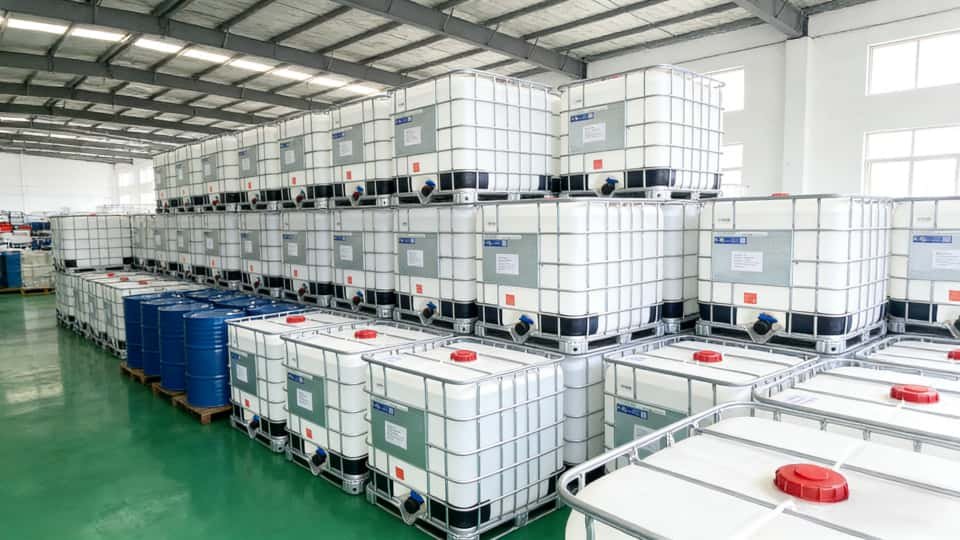
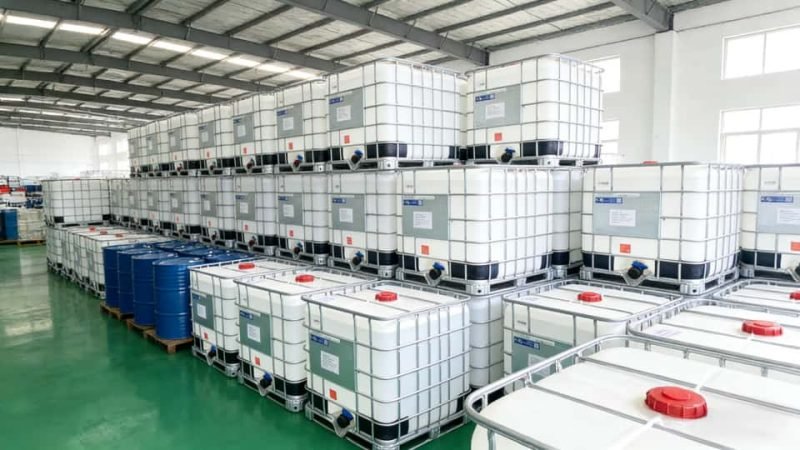
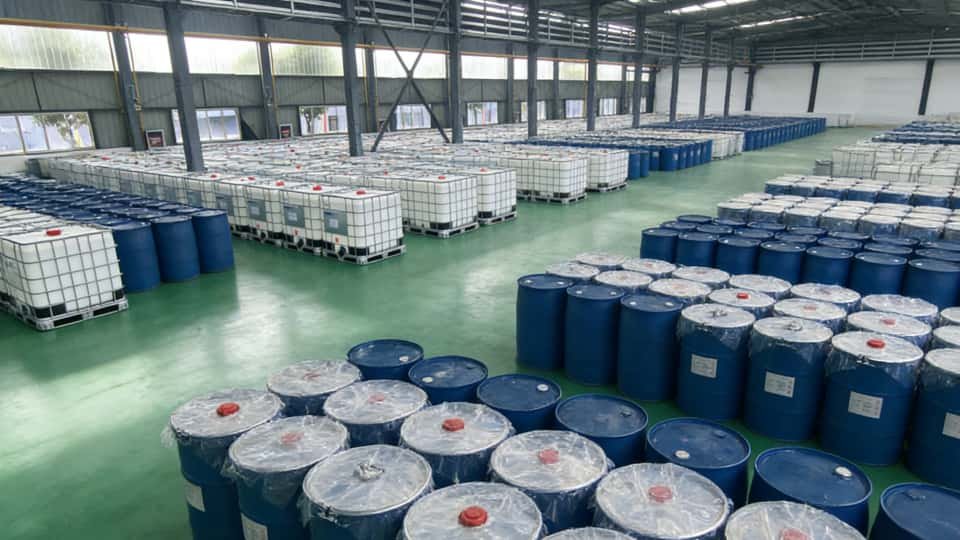
| Packaging | 3–8% | Drums, IBC tanks, safety compliance |
| Logistics | 5–15% | International shipping, hazmat transport |
| Compliance | 2–5% | REACH, SDS, certifications |
Key Observations
- Raw material volatility directly impacts pricing
- High-purity silanes require expensive distillation
- Logistics costs vary significantly by region
Raw Material Influence on Pricing
Silane production is closely tied to upstream silicon chemistry.
Key Raw Materials
- Silicon metal
- Methyl chloride
- Alcohols (methanol, ethanol)
- Chlorosilanes
Price Sensitivity
| Raw Material | Impact Level | Reason |
|---|---|---|
| Silicon metal | High | Core feedstock |
| Methanol | Medium | Widely used |
| Energy costs | High | Energy-intensive processes |
| Chlorine derivatives | Medium | Process dependency |
Market Reality
When silicon metal prices surge (common in energy crises), silane prices follow almost immediately.
Production Complexity vs Price
Not all silanes are equally easy to manufacture.
Complexity Comparison
| Silane Type | Process Complexity | Yield | Cost Impact |
|---|---|---|---|
| Simple alkyl | Low | High | Low cost |
| Amino silane | Medium | Moderate | Mid cost |
| Epoxy silane | Medium-high | Lower | Higher cost |
| Fluoro silane | High | Low | Premium cost |
Why Complexity Matters
- Multi-step synthesis increases cost
- Lower yield increases waste
- Strict reaction conditions increase energy usage
Purity Grades and Their Cost Implications
Purity is one of the biggest price differentiators.
Purity Levels
| Grade | Purity | Application | Price Impact |
|---|---|---|---|
| Industrial | 95–98% | General use | Low |
| High Purity | 98–99.5% | Coatings, adhesives | Medium |
| Electronic Grade | 99.9%+ | Semiconductor | Very high |
| Ultra-pure | 99.99%+ | Advanced electronics | Premium |
Insight
- Each additional purification step increases cost exponentially
- Electronic-grade silanes may cost 5–10× more
Regional Price Differences
Silane pricing varies significantly by region.
Regional Comparison
| Region | Price Level | Reason |
|---|---|---|
| China | Lowest | Large-scale production |
| Europe | High | Compliance costs |
| USA | Medium-high | Labor + logistics |
| Japan/Korea | High | High purity demand |
Procurement Strategy
- Source bulk from China for cost advantage
- Use local suppliers for high-purity applications
Supplier Type and Pricing Strategy
Not all suppliers price the same way.
Supplier Categories
| Supplier Type | Pricing Strategy | Risk Level |
|---|---|---|
| Manufacturers | Lowest | Low |
| Traders | Medium | Medium |
| Distributors | Highest | Low |
| Specialty suppliers | Premium | Low |
Key Insight
- Direct factory sourcing = best price
- Distributors add convenience but increase cost
Volume Impact on Pricing
Bulk purchasing significantly reduces cost.
Volume Pricing Model
| Quantity | Price Impact |
|---|---|
| < 100 kg | Highest |
| 100–1000 kg | Moderate |
| 1–10 tons | Discounted |
| > 10 tons | Lowest |
Example
- KH-550 small order: $10/kg
- Bulk order: $4–6/kg
Application-Specific Pricing Differences
Different industries require different silane specifications.
Application vs Cost
| Application | Requirement | Cost Level |
|---|---|---|
| Rubber | TESPT | Medium |
| Coatings | Epoxy silane | Medium-high |
| Electronics | Ultra-pure | High |
| Construction | Basic silane | Low |
Hidden Costs Buyers Often Ignore
Common Hidden Costs
- Quality inconsistency
- Supply instability
- Technical support absence
- Rejection rates
True Cost Analysis
| Factor | Low Price Supplier | Reliable Supplier |
|---|---|---|
| Unit Price | Low | Medium |
| Defect Rate | High | Low |
| Total Cost | High | Lower |
How to Optimize Silane Procurement Cost
Strategic Recommendations
- Choose the right grade—not the highest grade
- Negotiate based on volume
- Evaluate total cost, not unit price
- Build long-term supplier relationships
Market Trends Affecting Silane Pricing
Current Trends
- Increasing demand in EV and electronics
- Supply chain localization
- Environmental regulations tightening
- Rising energy costs
Forecast
- Stable demand growth
- Slight upward pricing pressure
- Premium segment expanding
Conclusion
The cost of silane coupling agents is highly variable and influenced by multiple technical and market factors, including raw materials, production complexity, purity requirements, supplier type, and application needs. While basic silanes can be sourced at relatively low cost, high-performance or specialty silanes command significant premiums due to their advanced functionality and strict quality requirements. Understanding these variables allows buyers to make informed decisions, optimize procurement strategies, and avoid costly mistakes.
Let’s Talk About Your Silane Sourcing Strategy
At Silicon Chemicals, we help global customers balance cost, quality, and performance when sourcing silane coupling agents. Whether you need bulk industrial-grade silanes or high-purity specialty products, we provide stable supply, consistent quality, and technical support tailored to your application.
Reach out today to get a competitive quote and expert guidance for your next project.
FAQ
Q1: How much does a silane coupling agent typically cost?
A1: The cost of a silane coupling agent varies based on its chemical formulation, purity, quantity, and supplier. For laboratory or dental use, smaller bottles (5-20 mL) can range from 10 to50, depending on brand and concentration. Industrial-grade bulk purchases cost approximately 8 to30 per kilogram, but specialty silanes or higher purity grades can exceed $75 per kilogram. Prices may fluctuate with market demand, shipping, and import tariffs. For an accurate quote, it is recommended to contact reputable chemical suppliers or dental product distributors.
Q2: What factors influence the price of silane coupling agents?
A2: Several factors affect silane coupling agent pricing, including chemical type (e.g., 3-methacryloxypropyltrimethoxysilane, aminopropyl silane), purity, supplier reputation, packaging size, and order quantity. Bulk orders typically offer lower per-unit costs. Additional influences include regional manufacturing costs, shipping logistics, regulatory standards, and whether the product meets certifications required for specific industries like dental or medical.
Q3: Where can I buy silane coupling agents for dental or industrial applications?
A3: Silane coupling agents are available through online chemical retailers, industrial chemical suppliers, dental product distributors, and specialty manufacturers. Reputable sources include Sigma-Aldrich, Fisher Scientific, Alibaba, and established dental supply companies. When purchasing, verify product specifications, purity, safety data sheets, and supplier credentials to ensure quality and compliance with your application’s requirements.
A4: Hidden costs may include shipping and handling fees, import duties (for international purchases), hazardous material surcharges, or special packaging charges. For industrial use, there may also be costs associated with safety training, storage requirements, and waste disposal. Always request an itemized quote and clarify terms with suppliers prior to purchase to avoid unexpected expenses.
Q5: How can I ensure I’m getting the best value when buying silane coupling agents?
A5: To secure the best value, compare products from multiple suppliers, considering both price and purity level. Request samples to test for your specific application, and review feedback or certifications for quality assurance. Larger bulk orders typically lower costs per unit, but ensure you consider shelf life and storage. Establishing long-term supplier relationships can also lead to volume discounts and better service over time.