Category: Blogs

the difference between silicone rubber rtv
Blogs

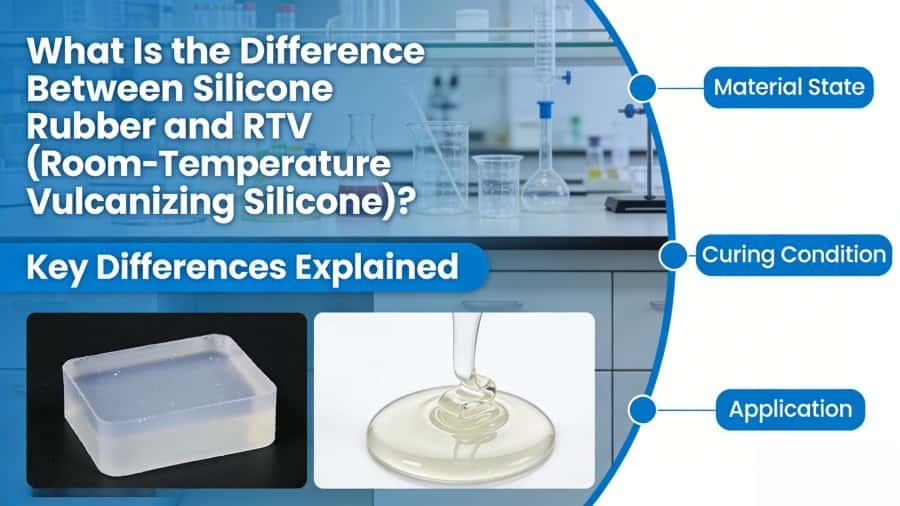
What Is the Difference Between Silicone Rubber and RTV (Room-Temperature Vulcanizing Silicone)?

Silicone materials are widely used across industries such as electronics, construction, automotive, food processing, and medical devices. However, many engineers, procurement specialists, and manufacturers often encounter confusion when distinguishing between silicone rubber and RTV silicone. This misunderstanding can lead to incorrect material selection, resulting in performance failures such as poor
Read More »
silane coupling agent
Blogs

What is the purpose of silane coupling agents in composites?

In composite manufacturing—especially fiberglass-reinforced plastics, rubber–silica systems, mineral-filled polymers, and advanced structural materials—the interface between inorganic fillers and organic polymers is the most common point of failure. Poor adhesion leads to delamination, cracking, reduced strength, water absorption, and shortened service life. Many factories struggle with inconsistent bonding, especially when using

Read More »
silane coupling agent
Blogs

Is Silane a Sealant?

Silanes are widely used in adhesives, coatings, construction materials, composites, rubber, plastics, and sealant chemistry. But one common source of confusion among engineers, contractors, and buyers is whether silane itself is a sealant. Misunderstanding this point can easily lead to choosing the wrong material—resulting in bonding failures, incomplete curing, moisture

Read More »
silane coupling agent
Blogs

Do silanes react with water?

Silanes are widely used in adhesives, sealants, plastics, rubber, and composite manufacturing. But one persistent challenge faced by engineers and buyers is understanding how silanes behave when exposed to water. Incorrect handling of silanes—especially moisture-sensitive types—can lead to premature curing, poor adhesion, sedimentation, or even complete failure of the formulation.

Read More »
silane coupling agent
Blogs

What is an example of a silane?

Selecting the right silane is critical in industries such as plastics, rubber, adhesives, coatings, composites, electronics, and construction materials. Many engineers and buyers know that “silane coupling agents improve bonding,” but the problem is that silane chemistry includes dozens of different structures—each designed for a specific function. Using the wrong

Read More »
silane coupling agent
Blogs

Is silane the same as silicone?

Silane and silicone are often confused because their names sound similar, and both are used widely in coatings, adhesives, plastics, and surface treatments. However, mistaking one for the other can cause serious performance failures—wrong adhesion, poor bonding, chemical incompatibility, or even safety risks in industrial production. If you’re purchasing materials

Read More »
silane coupling agent
Blogs

What Is the Purpose of a Coupling Agent?

In industrial manufacturing, adhesive bonding, polymer engineering, and composite material design, many users face the same persistent pain point: Why do plastic–metal, rubber–glass, coating–substrate, or filler–polymer interfaces fail prematurely? Problems such as delamination, peeling, cracking under humidity, mechanical weakness, and reduced lifespan often originate not from the materials themselves—but from

Read More »
silane coupling agent
Blogs

What is a substitute for silane?

Silane is widely used across coatings, adhesives, composites, fillers, plastics, glass treatment, and surface modification—but when silane becomes costly, unavailable, or incompatible with a formulation, manufacturers urgently need reliable substitutes. Choosing the wrong alternative leads to adhesion failure, delamination, moisture degradation, and expensive production losses. The good news is that

Read More »
silane coupling agent
Blogs

Is Silane Hazardous?

Silane (SiH₄) is a vital chemical widely used in semiconductor processing, glass treatment, coatings, adhesives, surface modification, and as a reactive intermediate in many industries. Yet many engineers, factory owners, and material users underestimate one crucial fact: mishandling silane can result in fire, explosion, toxic exposure, equipment loss, and even

Read More »
silane coupling agent
Blogs

Is a Silane Coupling Agent Considered a Primer?

Silane adhesion problems often begin when materials such as metals, glass, ceramics, plastics, or composites refuse to bond strongly with coatings, adhesives, or paints. This results in delamination, early product failure, and expensive rework. Many engineers mistakenly assume that a silane coupling agent functions exactly like a traditional primer—only to

Read More »

Get a Quote / Sample

Have a question, need a quote, or want to discuss your project?   We’re here to help.
Don’t worry, we hate spam too!  Call only when multiple emails unanswered !