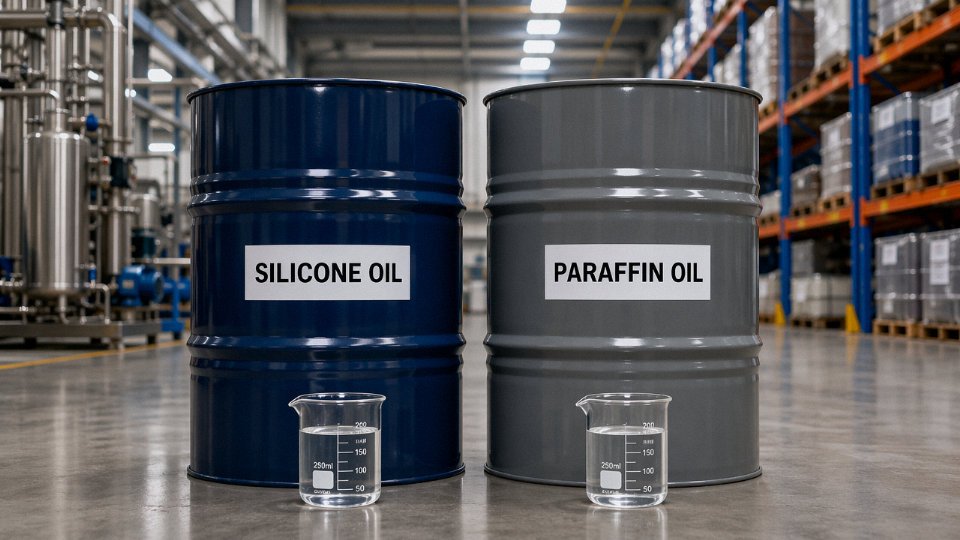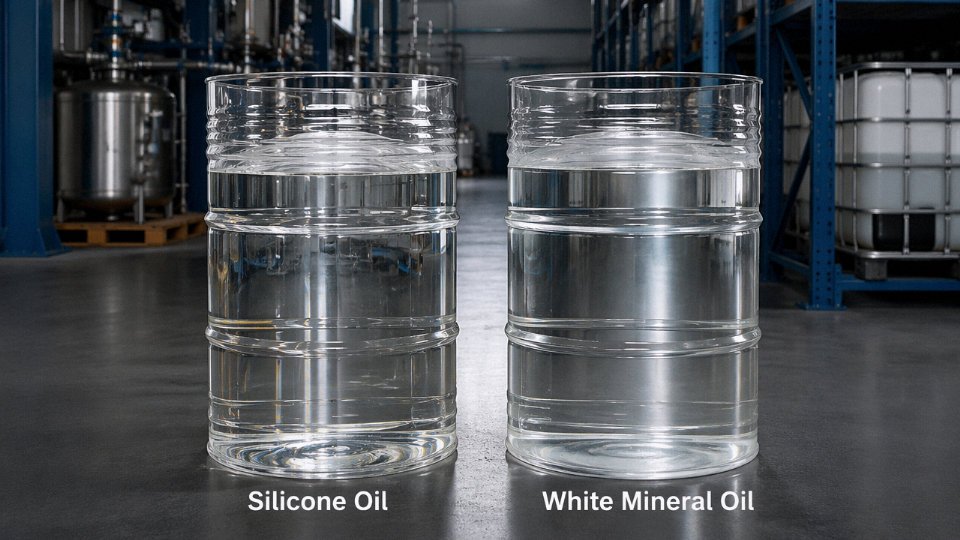
If you’ve ever checked the label on skincare, lubricants, or industrial oils, you may have wondered whether Vaseline (petroleum jelly) is silicone-based or something else entirely. This confusion is common—and costly. Choosing the wrong material can lead to poor lubrication, skin irritation concerns, or even product failure in industrial applications. The reality is that Vaseline and silicone oil behave very differently despite sometimes being used in similar contexts.
Vaseline is NOT silicone-based. It is a petroleum-derived hydrocarbon product (mineral oil and wax blend), while silicone oil is a synthetic polymer made from siloxane (Si–O–Si) chains. These two materials differ fundamentally in chemistry, performance, stability, and application scope.
To truly understand when to use Vaseline versus silicone oil—and why confusing them can lead to suboptimal decisions—you need to go beyond surface-level definitions and examine their chemistry, properties, and real-world applications in detail.
Vaseline (petroleum jelly) is derived from petroleum hydrocarbons, not silicone polymers.True
Petroleum jelly is composed of semi-solid hydrocarbons refined from crude oil, while silicone oils are synthetic polymers based on siloxane bonds.
Understanding the Chemical Foundation: Hydrocarbon vs Siloxane Systems
At a molecular level, Vaseline and silicone oil belong to entirely different chemical families, which determines everything from thermal stability to compatibility with materials.
1. Molecular Structure Comparison
| Property | Vaseline (Petroleum Jelly) | Silicone Oil |
|---|---|---|
| Chemical Base | Hydrocarbons (C–C chains) | Siloxane (Si–O–Si backbone) |
| Origin | Petroleum refining | Synthetic polymer chemistry |
| Structure Type | Semi-solid wax/oil mix | Linear or modified polymer |
| Polarity | Non-polar | Slightly polar backbone |
| Flexibility | Low | Very high |
Hydrocarbon chains in Vaseline are relatively rigid and pack closely together, giving it a semi-solid texture. In contrast, silicone oil has a flexible siloxane backbone, which results in superior flow behavior and stability.
2. Why This Difference Matters
This chemical distinction leads to major differences in:
- Thermal resistance
- Oxidation stability
- Surface interaction
- Volatility and evaporation
Silicone oils can withstand extreme temperatures (−50°C to 250°C or higher), while Vaseline begins to degrade much earlier.
Physical and Functional Properties: A Deep Comparison
Key Performance Metrics
| Property | Vaseline | Silicone Oil |
|---|---|---|
| State | Semi-solid | Liquid |
| Viscosity Stability | Poor (temperature-sensitive) | Excellent |
| Thermal Stability | Low–moderate | Very high |
| Oxidation Resistance | Moderate | Excellent |
| Water Resistance | High | Extremely high |
| Dielectric Properties | Poor | Excellent |
| Lubrication | Basic | Advanced precision lubrication |
Interpretation for Users
- Vaseline excels in occlusion and moisture sealing, especially for skin.
- Silicone oil excels in precision lubrication, thermal stability, and electrical insulation.
This explains why Vaseline is common in cosmetics, while silicone oil dominates industrial and engineering applications.
Application Domains: Where Each Material Wins
1. Vaseline (Petroleum Jelly) Applications
| Industry | Application |
|---|---|
| Cosmetics | Skin moisturizers, lip balms |
| Medical | Wound protection barrier |
| Household | Rust prevention, sealing |
| Food-grade (USP) | Lubrication in food equipment |
Vaseline creates a protective barrier, preventing moisture loss.
2. Silicone Oil Applications
| Industry | Application |
|---|---|
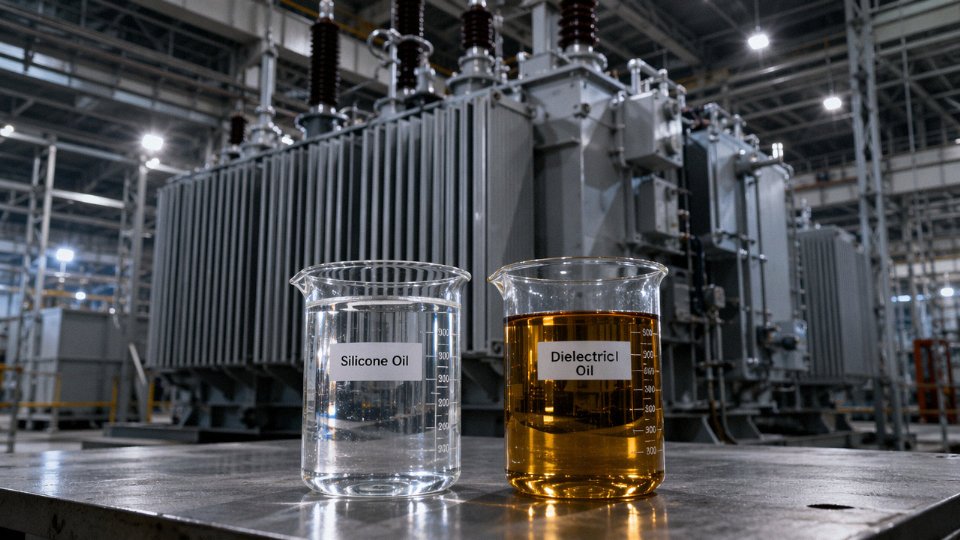
| Electronics | Dielectric fluid, insulation |
| Automotive | Damping fluids, lubricants |
| Cosmetics | Hair conditioners, skin feel enhancer |
| Industrial | Heat transfer fluids, anti-foam agents |
Silicone oil provides performance under stress conditions, such as heat and friction.
Performance Under Extreme Conditions
Temperature Behavior
| Temperature Range | Vaseline Behavior | Silicone Oil Behavior |
|---|---|---|
| Below 0°C | Hardens significantly | Remains fluid |
| Room Temp | Stable semi-solid | Stable liquid |
| Above 100°C | Softens/degrades | Stable |
| Above 200°C | Breaks down | Still functional |
Oxidation Resistance
Silicone oil has exceptional oxidative stability, making it suitable for long-term use in harsh environments. Vaseline oxidizes more readily over time.
Compatibility and Safety Considerations
Material Compatibility
| Material | Vaseline | Silicone Oil |
|---|---|---|
| Rubber | May degrade certain types | Generally safe |
| Plastics | Can soften some plastics | Highly compatible |
| Metals | Protective | Non-reactive |
Skin and Regulatory Aspects
- Vaseline (USP grade) is widely accepted for direct skin contact
- [Silicone oils](https://siliconchemicals.com/silicone-oil/) used in cosmetics must meet regulatory standards (e.g., cosmetic-grade PDMS)
Cost and Economic Considerations
| Factor | Vaseline | Silicone Oil |
|---|---|---|
| Raw Material Cost | Low | Higher |
| Processing Complexity | Low | High |
| Price Range | Cheap | Moderate–expensive |
| Lifecycle Cost | Higher (shorter life) | Lower (long-term stability) |
While Vaseline is cheaper upfront, silicone oil often delivers better long-term value in industrial use.
When Should You Choose Vaseline vs Silicone Oil?
Choose Vaseline When:
- You need skin protection or moisture sealing
- Cost is a primary concern
- Operating conditions are mild
Choose Silicone Oil When:
- You need thermal stability or precision lubrication
- The environment involves extreme temperatures or electrical systems
- Long-term performance is critical
Advanced Insight: Why They Are Often Confused
The confusion arises because:
- Both are clear, oily substances
- Both are used in lubrication and cosmetics
- Both are water-resistant
However, their performance envelopes are completely different.
Final Summary
Vaseline is a petroleum-based hydrocarbon product, while silicone oil is a synthetic siloxane polymer. Their differences are not just chemical—they define how each material performs, where it can be used, and how long it will last. Understanding this distinction is critical for both consumers and industrial buyers.
Talk to [Silicon Chemicals](https://siliconchemicals.com/) — Get the Right Material, Not Just the Familiar One
If you’re selecting between petroleum-based oils and high-performance silicone fluids, the difference can directly impact your product performance, lifespan, and cost efficiency. At Silicon Chemicals, we help global customers choose and customize silicone oils tailored to their exact applications—from cosmetics to high-end industrial systems.
Reach out today to get technical recommendations, samples, or a tailored formulation that actually fits your operating conditions.