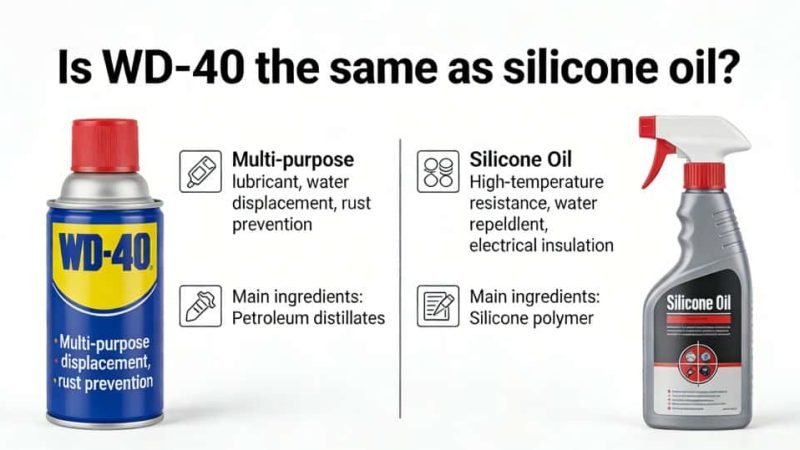
Industrial maintenance fluids often appear similar at first glance. Many sprays and oils are used for lubrication, rust protection, cleaning, or moisture displacement, which leads people to assume that they are chemically similar products. A common misconception in industrial maintenance and household repair is that WD-40 and silicone oil are the same type of product. Both are frequently used to reduce friction, protect surfaces, and improve mechanical movement. However, despite their similar applications, WD-40 and silicone oil are fundamentally different substances in terms of chemical composition, function, and performance characteristics. Confusing the two can lead to incorrect product selection and reduced effectiveness in industrial or technical applications.
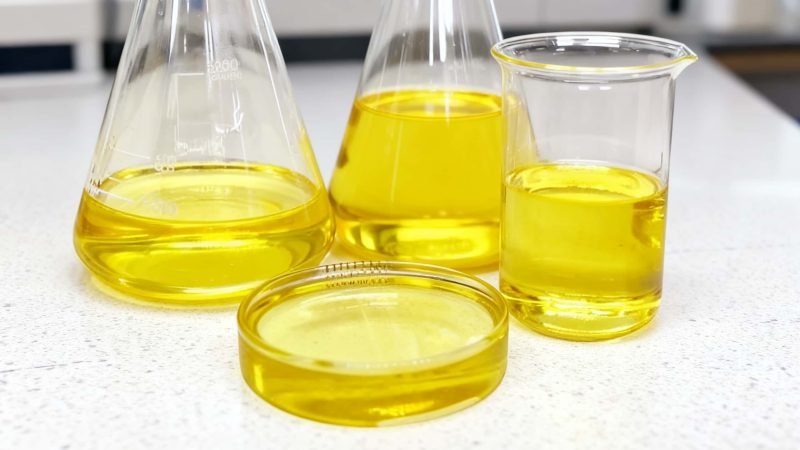
WD-40 is not the same as silicone oil. WD-40 is primarily a petroleum-based solvent and light lubricant designed for moisture displacement, rust prevention, and general cleaning, whereas silicone oil is a synthetic polysiloxane fluid composed of silicon-oxygen polymer chains. Silicone oil is chemically inert, thermally stable, and widely used as a lubricant, dielectric fluid, cosmetic ingredient, and industrial additive. WD-40, on the other hand, is a multi-purpose penetrating oil and solvent blend that evaporates partially after application and is not designed to provide long-term lubrication like silicone oil.
Understanding the difference between WD-40 and silicone oil requires examining their chemical compositions, functional mechanisms, and typical industrial uses. While both can reduce friction and protect surfaces, they are engineered for very different purposes.
WD-40 is primarily a petroleum-based solvent mixture rather than a silicone-based lubricant.True
WD-40 contains hydrocarbon solvents, mineral oil, and additives designed for moisture displacement and rust prevention, not silicone polymer fluids such as PDMS.
Understanding What WD-40 Actually Is
WD-40 is one of the most widely recognized maintenance products in the world. The name “WD-40” stands for Water Displacement, 40th formula, referring to the 40th attempt by chemists to develop a formula capable of displacing moisture from metal surfaces.
The product was originally developed in the 1950s to protect aerospace equipment from corrosion.
The chemical composition of WD-40 is proprietary, but it is generally known to contain several key components.
Typical WD-40 formulation components include:
• petroleum-based hydrocarbon solvents
• light mineral oil lubricant
• corrosion inhibitors
• carbon dioxide propellant (in aerosol versions)
The solvent portion helps dissolve grease and contaminants, while the mineral oil provides temporary lubrication.
Table: Typical Components of WD-40
| Component | Function |
|---|---|
| Hydrocarbon solvents | Cleaning and penetration |
| Mineral oil | Light lubrication |
| Corrosion inhibitors | Rust prevention |
| Propellant gas | Spray delivery |
Because WD-40 contains volatile solvents, part of the product evaporates after application, leaving behind a thin protective film.
Understanding Silicone Oil
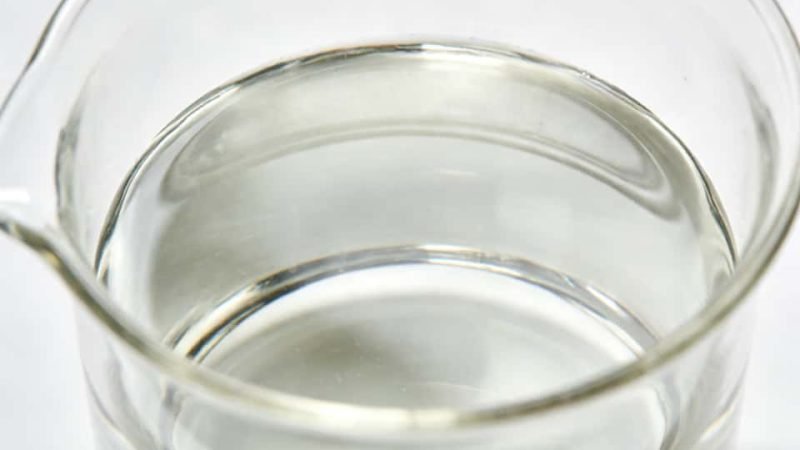
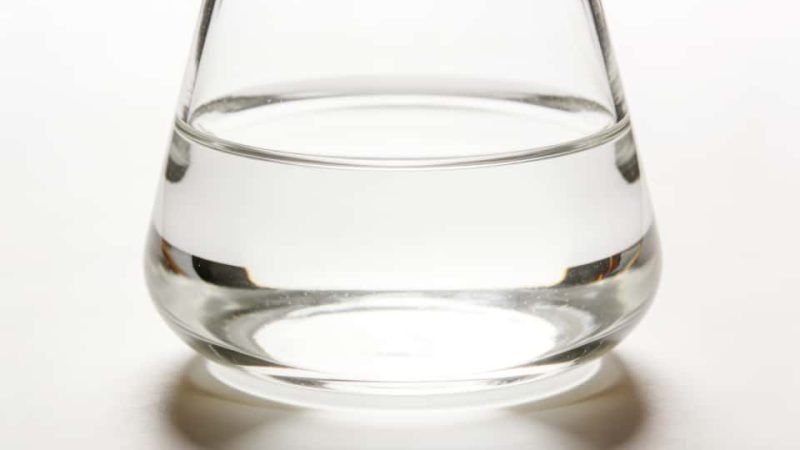
Silicone oil is a completely different type of chemical compound. Rather than being derived from petroleum hydrocarbons, silicone oil is a synthetic polymer fluid composed of silicon and oxygen atoms.
Most silicone oils are based on polydimethylsiloxane (PDMS) polymers. These polymers consist of repeating Si–O–Si chains with organic side groups attached to the silicon atoms.
This structure gives silicone oil several unique characteristics:
• exceptional thermal stability
• chemical inertness
• low surface tension
• stable viscosity across wide temperatures
Unlike WD-40, silicone oil does not rely on solvents and does not evaporate under normal conditions.
Table: Basic Properties of Silicone Oil
| Property | Typical Performance |
|---|---|
| Thermal stability | −50 °C to 250 °C |
| Oxidation resistance | Excellent |
| Surface tension | Very low |
| Electrical insulation | High |
These properties allow silicone oil to be used in many specialized industrial applications.
Chemical Composition Comparison
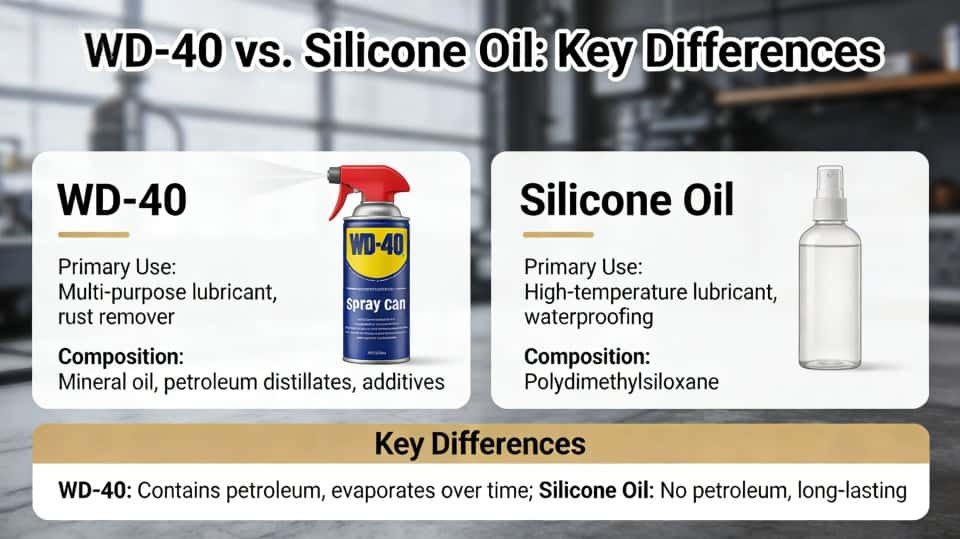
The most fundamental difference between WD-40 and silicone oil lies in their chemical composition.
WD-40 is primarily a hydrocarbon solvent mixture, while silicone oil is a silicon-based polymer fluid.
Table: Chemical Composition Comparison
| Feature | WD-40 | Silicone Oil |
|---|---|---|
| Chemical base | Petroleum hydrocarbons | Silicon-oxygen polymer |
| Molecular structure | Carbon-hydrogen chains | Si–O–Si polymer chains |
| Solvent content | High | None |
| Volatility | Moderate | Very low |
This difference in chemistry leads to very different performance characteristics.
Functional Differences Between WD-40 and Silicone Oil
Although both products may reduce friction and protect surfaces, their primary functions differ significantly.
WD-40 functions mainly as a penetrating solvent and moisture displacer, while silicone oil functions as a stable lubricant and specialty fluid.
Table: Functional Comparison
| Function | WD-40 | Silicone Oil |
|---|---|---|
| Rust protection | Excellent | Moderate |
| Cleaning ability | Good | Limited |
| Long-term lubrication | Limited | Excellent |
| Moisture displacement | Excellent | Moderate |
These differences explain why the two products are not interchangeable.
Lubrication Performance
WD-40 can provide temporary lubrication because it contains a small amount of mineral oil. However, it is not designed to function as a long-lasting lubricant.
The solvent portion of WD-40 evaporates relatively quickly, leaving behind only a thin oil film.
Silicone oil, on the other hand, is a non-volatile fluid that maintains a stable lubricating layer over long periods.
Table: Lubrication Characteristics
| Property | WD-40 | Silicone Oil |
|---|---|---|
| Film durability | Short-term | Long-term |
| Load-bearing lubrication | Low | Moderate |
| Temperature stability | Moderate | Excellent |
Because of this difference, silicone oil is often used in precision mechanical systems.
Surface Interaction and Material Compatibility
Another major difference between WD-40 and silicone oil is how they interact with materials.
WD-40 can dissolve certain plastics, rubbers, or coatings because of its solvent content.
Silicone oil is generally chemically inert and compatible with many materials, including:
• plastics
• elastomers
• glass
• metals
Table: Material Compatibility
| Material | WD-40 | Silicone Oil |
|---|---|---|
| Metals | Good | Excellent |
| Plastics | Variable | Good |
| Rubber | Variable | Good |
This compatibility makes silicone oil useful in electronics and consumer products.
Temperature Stability Comparison
Temperature performance is another area where silicone oil significantly outperforms WD-40.
WD-40 begins to evaporate or degrade at elevated temperatures due to its solvent components.
Silicone oil remains stable across much wider temperature ranges.
Table: Temperature Stability
| Property | WD-40 | Silicone Oil |
|---|---|---|
| Low temperature fluidity | Good | Excellent |
| High temperature stability | Moderate | Excellent |
| Evaporation resistance | Low | High |
This stability makes silicone oil suitable for high-temperature industrial applications.
Typical Applications of WD-40
WD-40 is commonly used for maintenance tasks such as:
• loosening rusted bolts
• removing moisture from electrical connections
• cleaning grease or dirt from metal surfaces
• preventing corrosion
Because of its solvent content, WD-40 works well as a penetrating oil.
Typical Applications of Silicone Oil
Silicone oil is widely used in many industries because of its stability and versatility.
Common applications include:
• damping fluids in mechanical systems
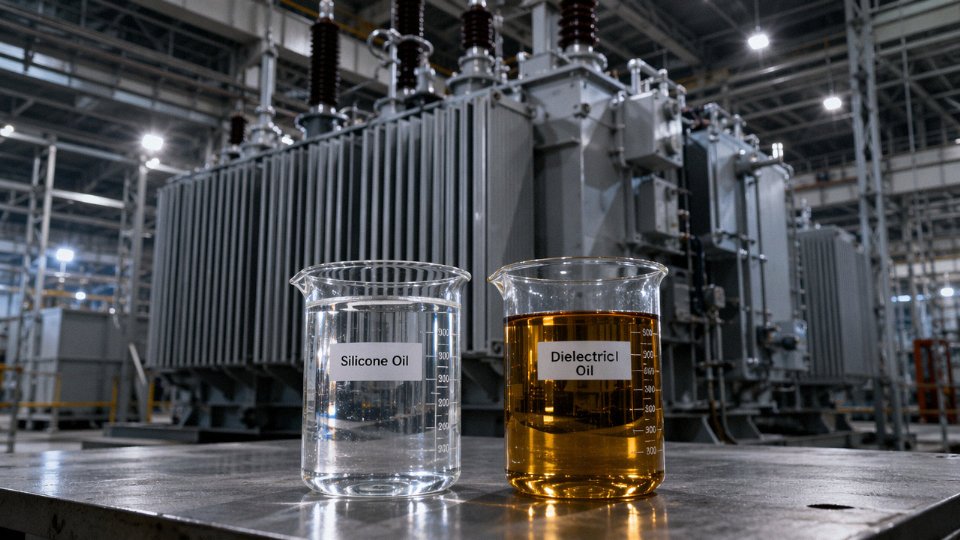
• electrical insulating fluids
• cosmetic ingredients
• heat transfer fluids
• mold release agents
These applications rely on the unique properties of silicone polymers.
Why People Confuse WD-40 and Silicone Oil
Several factors contribute to the common confusion between these products.
First, both products can reduce friction and improve movement of mechanical parts.
Second, both are sometimes applied using spray bottles.
Third, both are used in maintenance and repair tasks.
However, despite these superficial similarities, their chemical nature and long-term performance are very different.
When to Use WD-40 vs Silicone Oil
Choosing between WD-40 and silicone oil depends on the application.
WD-40 is ideal for:
• loosening stuck metal parts
• cleaning contaminants
• removing moisture
Silicone oil is better suited for:
• long-term lubrication
• high-temperature systems
• electrical insulation
• plastics and rubber components
Understanding these differences ensures proper product selection.
Summary Comparison
Table: WD-40 vs Silicone Oil Overview
| Property | WD-40 | Silicone Oil |
|---|---|---|
| Chemical type | Hydrocarbon solvent blend | Silicone polymer |
| Primary function | Cleaning and moisture displacement | Lubrication and specialty fluid |
| Volatility | Moderate | Very low |
| Temperature stability | Moderate | Excellent |
| Lubrication durability | Short-term | Long-term |
This comparison highlights why the two products serve different roles.
Conclusion
WD-40 and silicone oil are fundamentally different materials designed for different purposes. WD-40 is a petroleum-based solvent blend created primarily for moisture displacement, rust prevention, and cleaning applications. It works well as a penetrating oil and short-term lubricant but is not intended to provide long-lasting lubrication.
Silicone oil, in contrast, is a synthetic silicon-oxygen polymer fluid known for its exceptional thermal stability, chemical inertness, and long-term lubrication performance. It is widely used in industries such as electronics, cosmetics, manufacturing, and chemical processing.
Although both products may reduce friction or protect surfaces, they are not interchangeable. Choosing the correct fluid depends on the specific application and performance requirements.
Talk With the Silicone Fluid Specialists at [Silicon Chemicals](https://siliconchemicals.com/)
Selecting the right silicone fluid or specialty lubricant can make a significant difference in the performance and reliability of your products.
At Silicon Chemicals, we supply a wide range of high-purity silicone oils designed for industrial manufacturing, electronics, coatings, cosmetics, and advanced materials applications.
If you are comparing silicone oils with other maintenance fluids or looking for the best silicone fluid for your application, the team at Silicon Chemicals is always ready to help you identify the most effective solution.