Silane coupling agents are bifunctional organosilicon compounds used to enhance interfacial bonding between inorganic substrates—such as glass, silica, metals, and mineral fillers—and organic polymer matrices. Through hydrolysis and condensation reactions, the silane moiety chemically anchors to hydroxylated inorganic surfaces, while the organic functional group reacts or interacts with resins including epoxy, polyurethane, rubber, and thermoplastics. By forming a stable molecular bridge between dissimilar materials, silane coupling agents significantly improve adhesion, mechanical strength, moisture resistance, and long-term durability in composite, coating, adhesive, and rubber systems.
Silicon Chemicals Silane Coupling Agents are engineered to deliver reliable performance across a wide range of industrial applications. Backed by consistent quality control and application-focused technical support, our portfolio covers amino, epoxy, vinyl, methacryloxy, sulfur, and specialty silanes to meet diverse formulation requirements. With flexible packaging options, regulatory compliance support, and stable global supply capabilities, Silicon Chemicals provides dependable solutions for manufacturers seeking enhanced material performance and long-term process stability.
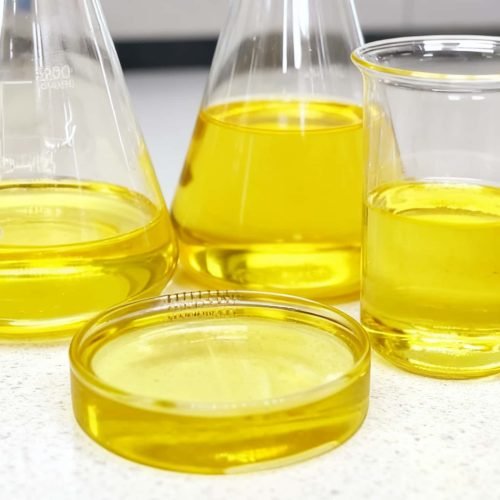
Silane coupling agents are commonly classified by their organofunctional chemistry as well as their application-oriented performance characteristics. This combined classification framework enables precise matching of silane functionality with specific substrates, resin systems, and end-use applications.
| Amino Silanes | ||
| Product Code | Chemical Name | CAS NO. |
| AS-A110 | 3-Aminopropyltriethoxysilane | 919-30-2 |
| AS-A111 | 3-Aminopropyltrimethoxysilane | 13822-56-5 |
| AS-A210 | 3-Aminopropylmethyldiethoxysilane | 3179-76-8 |
| AS-A212 | N-(2-Aminoethyl-3-aminopropyl)methyldimethoxysilane | 3069-29-2 |
| AS-A112 | N-(2-Aminoethyl-3-aminopropyl)trimethoxysilane | 1760-24-3 |
| AS-A113 | Diethylenetriaminopropyltrimethoxysilane | 35141-30-1 |
| AS-A116 | 3-Ureidopropyltrimethoxysilane | 23843-64-3 |
| AS-A1161 | 3-Ureidopropyltriethoxysilane (50% in methanol) | 23779-32-0 |
| AS-A117 | 3-Diethylaminopropyltrimethoxysilane | 41051-80-3 |
| AS-A118 | N-Phenylaminopropyltrimethoxysilane | 3068-76-6 |
| AS-A119 | N-(n-butyl)-3-aminopropyltrimethoxysilane | 31024-56-3 |
| AS-1124 | Bis[3-(trimethoxysilyl)propyl]amine | 82985-35-1 |
| AS-479 | Diethylaminomethyltriethoxysilane | 15180-47-9 |
| AS-AP110 | Bis(3-triethoxysilylpropyl)amine | 13497-18-2 |
| AS-A312 | Tertiary amino silane with special structure | NA |
| AS-A1121 | Mixture of silanes, containing two amino groups | NA |
| AS-AC1128 | Silane, containing amino and phenyl groups | |
| Epoxy / Glycidyl Silanes | ||
| Product Code | Chemical Name | CAS NO. |
| AS-O186 | 2-(3,4-Epoxycyclohexyl)ethyltrimethoxysilane | 3388-04-3 |
| AS-O1861 | 2-(3,4-Epoxycyclohexyl)ethyltriethoxysilane | 10217-34-2 |
| AS-O187 | 3-(2,3-Epoxypropoxy)propyltrimethoxysilane | 2530-83-8 |
| AS-O1871 | 3-(2,3-Epoxypropoxy)propyltriethoxysilane | 2602-34-8 |
| AS-O1872 | 3-(2,3-Epoxypropoxy)propylmethyldiethoxysilane | 2897-60-1 |
| AS-O1873 | 3-(2,3-Epoxypropoxy)propylmethyldimethoxysilane | 65799-47-5 |
| Vinyl Silane | ||
| Product Code | Chemical Name | CAS NO. |
| AS-V151 | Vinyltriethoxysilane | 78-08-0 |
| AS-V171 | Vinyltrimethoxysilane | 2768-02-7 |
| AS-V2171 | Vinylmethyldimethoxysilane | 16753-62-1 |
| AS-V172 | Vinyltri(β-methoxyethoxy)silane、Vinyltris(2-methoxyethoxy)silane | 1067-53-4 |
| AS-V174 | Vinyltri(isopropenyloxy)silane | 15332-99-7 |
| Methacryloxy silanes | ||
| Product Code | Chemical Name | CAS NO. |
| AS-O174 | 3-Methacryloxypropyltrimethoxysilane | 2530-85-0 |
| AS-O1741 | 3-Methacryloxypropyltriethoxysilane | 21142-29-0 |
| AS-O1742 | 3-Methacryloxypropylmethyldimethoxysilane | 14513-34-9 |
| Mercapto silanes | ||
| Product Code | Chemical Name | CAS NO. |
| AS-S313 | 3-Mercaptopropyltrimethoxysilane | 4420-74-0 |
| AS-S323 | 3-Mercaptopropyltriethoxysilane | 14814-09-6 |
| AS-S312 | 3-Mercaptopropylmethyldimethoxysilane | 31001-77-1 |
| Polysulfide Silanes | ||
| Product Code | Chemical Name | CAS NO. |
| AS-69 | Bis[3-(triethoxysilyl)propyl]tetrasulfide | 40372-72-3 |
| AS-69C | Bis[3-(triethoxysilyl)propyl]tetrasulfide(50%) and Carbon black (50%) | N.A. |
| AS-75 | Bis[3-(triethoxysilyl)propyl]disulfide | 56706-10-6 |
| Isocyanato silanes | ||
| Product Code | Chemical Name | CAS NO. |
| AS-IC13 | 3-Isocyanatopropyltrimethoxysilane | 15396-00-6 |
| AS-IC23 | 3-Isocyanatopropyltriethoxysilane | 24801-88-5 |
| Alkyl Silane | ||
| Product Code | Chemical Name | CAS NO. |
| AS-N813 | n-Octyltrimethoxysilane | 3069-40-7 |
| AS-N823 | n-Octyltriethoxysilane | 2943-75-1 |
| AS-N1013 | n-Decyltrimethoxysilane | 5575-48-4 |
| AS-N1213 | n-Dodecyltrimethoxysilane | 3069-21-4 |
| AS-N1223 | n-Dodecyltriethoxysilane | 18536-91-9 |
| AS-N1613 | n-Hexadecyltrimethoxysilane | 16415-12-6 |
| AS-N1813 | n-Octadecyltrimethoxysilane | 3069-42-9 |
| AS-I823 | i-Octyltriethoxysilane | 35435-21-3 |
| Fluoro Silanes | ||
| Product Code | Chemical Name | CAS NO. |
| AS-F813 | 1H,1H,2H,2H-Perfluoroalkyltrimethoxysilane | 85857-16-5 |
| AS-F823 | 1H,1H,2H,2H-Perfluoroalkyltriethoxysilane | 51851-37-7 |
| AS-F1013 | 1H,1H,2H,2H-Perfluorodecyltrimethoxysilane | 83048-65-1 |
| AS-F1023 | 1H,1H,2H,2H-Perfluorodecyltriethoxysilane | 101947-16-4 |
| Phosphonic / Phosphate Silanes | ||
| Product Code | Chemical Name | CAS NO. |
| AS-PH113 | 3-(Triethoxysilyl)propylphosphonic acid | 2530-84-9 |
| AS-PH111 | 3-(Trimethoxysilyl)propylphosphonic acid | 17095-24-8 |
| AS-PH212 | 2-(Triethoxysilyl)ethylphosphonic acid | 13149-52-7 |
| AS-PH213 | 2-(Trimethoxysilyl)ethylphosphonic acid | 13811-36-4 |
| AS-PP113 | 3-(Triethoxysilyl)propyl phosphate | 84962-23-6 |
| AS-PP111 | 3-(Trimethoxysilyl)propyl phosphate | 105596-14-7 |
| AS-PP213 | 2-(Triethoxysilyl)ethyl phosphate | 84962-22-5 |
| AS-PP211 | 2-(Trimethoxysilyl)ethyl phosphate | 84962-21-4 |
| Carboxylic Acid Silanes | ||
| Product Code | Chemical Name | CAS NO. |
| AS-CA113 | 3-(Triethoxysilyl)propylsuccinic acid | 51848-15-4 |
| AS-CA111 | 3-(Trimethoxysilyl)propylsuccinic acid | 106615-03-4 |
| AS-CA213 | 2-(Triethoxysilyl)ethylsuccinic acid | 13149-53-8 |
| AS-CA211 | 2-(Trimethoxysilyl)ethylsuccinic acid | 13811-37-5 |
| AS-CA113A | 3-(Triethoxysilyl)propylmalonic acid | 136112-36-4 |
| AS-CA111A | 3-(Trimethoxysilyl)propylmalonic acid | 136112-35-3 |
| Hybrid / Dual-Functional Silanes | ||
| Product Code | Chemical Name | CAS NO. |
| AS-AP110 | Bis(3-triethoxysilylpropyl)amine | 13497-18-2 |
| AS-1124 | Bis[3-(trimethoxysilyl)propyl]amine | 82985-35-1 |
| AS-AC1128 | Silane containing amino and phenyl groups | — |
| AS-A312 | Tertiary amino silane with special structure | — |
| AS-A1121 | Mixture of silanes containing two amino groups | — |
| AS-O1872 | 3-(2,3-Epoxypropoxy)propylmethyldiethoxysilane | 2897-60-1 |
| AS-O1873 | 3-(2,3-Epoxypropoxy)propylmethyldimethoxysilane | 65799-47-5 |
| AS-O1742 | 3-Methacryloxypropylmethyldimethoxysilane | 14513-34-9 |
| AS-P112 | Methylphenyldimethoxysilane | 3027-21-2 |
| AS-OP594 | 3-[Tris(trimethylsiloxy)silyl]propyl methacrylate | 17096-07-0 |
| AS-479 | Diethylaminomethyltriethoxysilane | 15180-47-9 |
| Typical Application Scenario | Primary Substrates | Core Performance Objective | Functional Group Type | Chemical Name / CAS No. |
| Epoxy structural adhesives | Metal / Glass | High adhesion strength, durability | Amino | 3-Aminopropyltriethoxysilane / 919-30-2 |
| Epoxy structural adhesives | Metal / Glass | Chemical bonding, crosslinking | Epoxy (Glycidyl) | 3-Glycidyloxypropyltrimethoxysilane / 2530-83-8 |
| Polyurethane (PU) adhesives | Metal / Multi-substrate | Moisture-resistant adhesion | Isocyanato | 3-Isocyanatopropyltrimethoxysilane / 15396-00-6 |
| MS polymer / hybrid sealants | Metal / Glass / Concrete | Adhesion promotion, durability | Amino | 3-Aminopropyltrimethoxysilane / 13822-56-5 |
| Glass bonding adhesives | Glass / Ceramic | Interfacial adhesion | Epoxy (Cycloaliphatic) | 2-(3,4-Epoxycyclohexyl)ethyltrimethoxysilane / 3388-04-3 |
| Acrylic adhesives | Metal / Plastic | Polymer compatibility | Methacrylate | 3-Methacryloxypropyltrimethoxysilane / 2530-85-0 |
| Rubber-to-metal bonding | Rubber / Metal | Interfacial bonding | Mercapto (Thiol) | 3-Mercaptopropyltrimethoxysilane / 4420-74-0 |
| Mineral-filled adhesives | Mineral fillers | Filler dispersion, adhesion | Vinyl | Vinyltrimethoxysilane / 2768-02-7 |
| Metal primers for bonding | Aluminum / Steel | Metal chelation, corrosion resistance | Phosphonic (Specialty) | 3-(Triethoxysilyl)propylphosphonic acid / 2530-84-9 |
| Construction sealants | Concrete / Stone | Moisture resistance | Alkyl (Hydrophobic) | n-Octyltriethoxysilane / 2943-75-1 |
| High-performance sealants | Multi-substrate | Low surface energy, durability | Fluoro (Specialty) | 1H,1H,2H,2H-Perfluorodecyltriethoxysilane / 101947-16-4 |
| Advanced formulations | Multi-substrate | Performance tuning | Hybrid / Dual-Functional | Bis(3-triethoxysilylpropyl)amine / 13497-18-2 |
| Typical Application Scenario | Primary Substrates | Core Performance Objective | Functional Group Type | Chemical Name / CAS No. |
| Metal primers (industrial coatings) | Steel / Aluminum | Adhesion, corrosion resistance | Epoxy (Glycidyl) | 3-Glycidyloxypropyltrimethoxysilane / 2530-83-8 |
| Metal primers (waterborne) | Steel / Aluminum | Adhesion promotion | Amino | 3-Aminopropyltriethoxysilane / 919-30-2 |
| Anti-corrosion coatings | Steel | Chemical bonding, durability | Phosphonic (Specialty) | 3-(Triethoxysilyl)propylphosphonic acid / 2530-84-9 |
| Powder coatings | Metal | Interfacial adhesion | Epoxy (Cycloaliphatic) | 2-(3,4-Epoxycyclohexyl)ethyltrimethoxysilane / 3388-04-3 |
| Industrial protective coatings | Metal / Mineral | Adhesion, mechanical strength | Amino | 3-Aminopropyltrimethoxysilane / 13822-56-5 |
| Acrylic & UV-curable coatings | Metal / Glass | Polymer compatibility | Methacrylate | 3-Methacryloxypropyltrimethoxysilane / 2530-85-0 |
| Glass coatings | Glass / Ceramic | Interfacial bonding | Epoxy (Glycidyl) | 3-Glycidyloxypropyltriethoxysilane / 2602-34-8 |
| Mineral-filled coatings | Mineral fillers | Filler dispersion, adhesion | Vinyl | Vinyltrimethoxysilane / 2768-02-7 |
| Concrete / masonry coatings | Concrete / Stone | Adhesion, durability | Epoxy | 3-Glycidyloxypropyltrimethoxysilane / 2530-83-8 |
| Water-repellent coatings | Concrete / Stone | Hydrophobicity | Alkyl | n-Octyltriethoxysilane / 2943-75-1 |
| Anti-graffiti / easy-clean coatings | Mineral / Glass | Surface energy reduction | Fluoro (Specialty) | 1H,1H,2H,2H-Perfluorodecyltriethoxysilane / 101947-16-4 |
| Functional primers | Multi-substrate | Adhesion balance | Hybrid / Dual-Functional | Bis(3-triethoxysilylpropyl)amine / 13497-18-2 |
| Typical Application Scenario | Primary Substrates | Core Performance Objective | Functional Group Type | Chemical Name / CAS No. |
| Passenger car tire tread | Silica (SiO₂) | Filler–rubber coupling, low rolling resistance | Polysulfide | Bis[3-(triethoxysilyl)propyl]tetrasulfide (TESPT) / 40372-72-3 |
| High-performance tire tread | Silica (SiO₂) | Balance of wet grip & rolling resistance | Disulfide | Bis[3-(triethoxysilyl)propyl]disulfide (TESPD) / 56706-10-6 |
| Truck & bus tires | Silica (SiO₂) | Reinforcement, abrasion resistance | Polysulfide | Bis[3-(triethoxysilyl)propyl]tetrasulfide / 40372-72-3 |
| Industrial rubber goods | Silica-filled rubber | Improved filler dispersion | Mercapto (Thiol) | 3-Mercaptopropyltrimethoxysilane / 4420-74-0 |
| Rubber hoses & belts | Silica / Mineral fillers | Enhanced rubber–filler bonding | Mercapto (Thiol) | 3-Mercaptopropyltriethoxysilane / 14814-09-6 |
| Dynamic rubber parts | Silica | Fast coupling, processing efficiency | Thiocyanate | 3-Thiocyanatopropyltriethoxysilane / 34708-08-2 |
| Silane-modified rubber compounds | Silica | Controlled reactivity | Vinyl | Vinyltriethoxysilane / 78-08-0 |
| Peroxide-cured rubber | Mineral fillers | Polymer compatibility | Vinyl | Vinyltrimethoxysilane / 2768-02-7 |
| Rubber-to-metal bonding systems | Rubber / Metal | Interfacial adhesion | Mercapto (Thiol) | 3-Mercaptopropylmethyldimethoxysilane / 31001-77-1 |
| Low-odor / low-VOC compounds | Silica | Reduced ethanol release | Alkyl-modified sulfur silane | Bis[3-(triethoxysilyl)propyl]tetrasulfide (modified grades) / 40372-72-3 |
| Advanced silica compounds | Silica | Processing safety, scorch control | Hybrid Sulfur Silane | Sulfur-functional silane blends / Mixture |
| Typical Application Scenario | Primary Substrates | Core Performance Objective | Functional Group Type | Chemical Name / CAS No. |
| Glass fiber–reinforced plastics (GFRP) | Glass fiber | Fiber–resin interfacial strength | Methacrylate | 3-Methacryloxypropyltrimethoxysilane / 2530-85-0 |
| Unsaturated polyester composites | Glass fiber | Mechanical reinforcement | Methacrylate | 3-Methacryloxypropyltriethoxysilane / 21142-29-0 |
| Vinyl ester composites | Glass fiber | Adhesion, durability | Methacrylate | 3-Methacryloxypropylmethyldimethoxysilane / 14513-34-9 |
| Epoxy matrix composites | Glass fiber / Mineral fillers | Chemical bonding | Epoxy (Glycidyl) | 3-Glycidyloxypropyltrimethoxysilane / 2530-83-8 |
| High-performance epoxy composites | Glass fiber | Hydrolysis resistance | Epoxy (Cycloaliphatic) | 2-(3,4-Epoxycyclohexyl)ethyltrimethoxysilane / 3388-04-3 |
| Carbon fiber composites | Carbon fiber / Oxide surfaces | Interfacial adhesion | Amino | 3-Aminopropyltriethoxysilane / 919-30-2 |
| Hybrid fiber composites | Glass / Carbon fiber | Interface compatibility | Amino | 3-Aminopropyltrimethoxysilane / 13822-56-5 |
| Mineral-filled composites | Silica / CaCO₃ | Filler dispersion | Vinyl | Vinyltrimethoxysilane / 2768-02-7 |
| Thermoset composites | Mineral fillers | Polymer compatibility | Vinyl | Vinyltriethoxysilane / 78-08-0 |
| Specialty composites | Glass fiber | High-strength coupling | Mercapto (Thiol) | 3-Mercaptopropyltrimethoxysilane / 4420-74-0 |
| Structural composite primers | Glass / Mineral | Multi-site bonding | Hybrid / Dual-Functional | Bis(3-triethoxysilylpropyl)amine / 13497-18-2 |
| High-durability composites | Glass fiber | Moisture resistance | Amino (Ureido) | 3-Ureidopropyltrimethoxysilane / 23843-64-3 |
| Typical Application Scenario | Primary Substrates | Core Performance Objective | Functional Group Type | Chemical Name / CAS No. |
| Mineral-filled thermoplastics | CaCO₃ / Talc | Filler–polymer compatibility | Amino | 3-Aminopropyltriethoxysilane / 919-30-2 |
| Glass-fiber-reinforced plastics | Glass fiber | Fiber–resin interfacial bonding | Methacrylate | 3-Methacryloxypropyltrimethoxysilane / 2530-85-0 |
| Engineering plastics (PA, PBT) | Glass fiber | Mechanical strength, adhesion | Epoxy (Glycidyl) | 3-Glycidyloxypropyltrimethoxysilane / 2530-83-8 |
| Polyolefin compounds (PE, PP) | Mineral fillers | Improved dispersion | Vinyl | Vinyltrimethoxysilane / 2768-02-7 |
| Silane-crosslinked PE (XLPE) | Polyethylene | Crosslinking efficiency | Vinyl | Vinyltriethoxysilane / 78-08-0 |
| Filled polypropylene | Talc / CaCO₃ | Impact strength retention | Alkyl | n-Octyltriethoxysilane / 2943-75-1 |
| Polyamide composites | Glass fiber | Adhesion, hydrolysis resistance | Amino | 3-Aminopropyltrimethoxysilane / 13822-56-5 |
| Thermoset-filled plastics | Mineral fillers | Interfacial bonding | Methacrylate | 3-Methacryloxypropyltriethoxysilane / 21142-29-0 |
| High-performance composites | Mineral / Fiber | Moisture resistance | Epoxy (Cycloaliphatic) | 2-(3,4-Epoxycyclohexyl)ethyltrimethoxysilane / 3388-04-3 |
| Hybrid polymer systems | Multi-substrate | Balanced adhesion | Hybrid / Dual-Functional | Bis(3-triethoxysilylpropyl)amine / 13497-18-2 |
| Specialty plastic formulations | Mineral fillers | Compatibility tuning | Mercapto (Thiol) | 3-Mercaptopropyltrimethoxysilane / 4420-74-0 |
| Functional filler treatment | Silica | Processing stability | Vinyl | Vinylmethyldimethoxysilane / 16753-62-1 |
| Typical Application Scenario | Primary Substrates | Core Performance Objective | Functional Group Type | Chemical Name / CAS No. |
| Silane-crosslinked polyethylene (XLPE) | Polyethylene (PE) | Crosslinking efficiency, thermal resistance | Vinyl | Vinyltrimethoxysilane / 2768-02-7 |
| Silane-crosslinked polyethylene (XLPE) | Polyethylene (PE) | Improved processing window | Vinyl | Vinyltriethoxysilane / 78-08-0 |
| Cable insulation compounds | Mineral fillers | Filler–polymer compatibility | Amino | 3-Aminopropyltriethoxysilane / 919-30-2 |
| Flame-retardant cable compounds | ATH / MDH fillers | Adhesion, dispersion | Amino | 3-Aminopropyltrimethoxysilane / 13822-56-5 |
| Filled polyolefin insulation | Silica / CaCO₃ | Mechanical & dielectric stability | Vinyl | Vinylmethyldimethoxysilane / 16753-62-1 |
| Electrical insulating coatings | Glass / Ceramic | Adhesion, dielectric reliability | Epoxy (Glycidyl) | 3-Glycidyloxypropyltrimethoxysilane / 2530-83-8 |
| Electrical insulating coatings | Glass / Ceramic | Moisture resistance | Epoxy (Cycloaliphatic) | 2-(3,4-Epoxycyclohexyl)ethyltrimethoxysilane / 3388-04-3 |
| Electrical potting & encapsulation | Metal / PCB | Interfacial bonding | Amino | 3-Aminopropyltrimethoxysilane / 13822-56-5 |
| High-voltage insulation materials | Mineral fillers | Long-term dielectric performance | Alkyl | n-Octyltriethoxysilane / 2943-75-1 |
| Specialty electrical compounds | Multi-substrate | Balanced adhesion | Hybrid / Dual-Functional | Bis(3-triethoxysilylpropyl)amine / 13497-18-2 |
| Typical Application Scenario | Primary Substrates | Core Performance Objective | Functional Group Type | Chemical Name / CAS No. |
| Concrete waterproofing treatment | Concrete / Cement | Hydrophobicity, water repellency | Alkyl | n-Octyltriethoxysilane / 2943-75-1 |
| Masonry & façade protection | Stone / Brick | Moisture resistance, durability | Alkyl | n-Octyltrimethoxysilane / 3069-40-7 |
| Silane-based impregnation | Concrete / Mineral | Deep penetration, water repellency | Alkyl | n-Decyltrimethoxysilane / 5575-48-4 |
| Anti-graffiti coatings | Stone / Mineral | Low surface energy, easy-clean | Fluoro (Specialty) | 1H,1H,2H,2H-Perfluorodecyltriethoxysilane / 101947-16-4 |
| Cementitious repair mortars | Cement / Mineral fillers | Adhesion improvement | Amino | 3-Aminopropyltriethoxysilane / 919-30-2 |
| Tile adhesives | Ceramic / Cement | Interfacial bonding | Amino | 3-Aminopropyltrimethoxysilane / 13822-56-5 |
| Flooring adhesives | Concrete / Mineral | Bond strength, durability | Epoxy (Glycidyl) | 3-Glycidyloxypropyltrimethoxysilane / 2530-83-8 |
| Architectural coatings | Concrete / Stone | Adhesion, durability | Epoxy (Cycloaliphatic) | 2-(3,4-Epoxycyclohexyl)ethyltrimethoxysilane / 3388-04-3 |
| Mineral-filled sealants | Mineral fillers | Filler dispersion | Vinyl | Vinyltrimethoxysilane / 2768-02-7 |
| Glass bonding in construction | Glass / Ceramic | Adhesion promotion | Epoxy | 3-Glycidyloxypropyltriethoxysilane / 2602-34-8 |
| Concrete surface primers | Concrete / Steel | Adhesion, corrosion resistance | Phosphonic (Specialty) | 3-(Triethoxysilyl)propylphosphonic acid / 2530-84-9 |
| High-durability façades | Mineral / Concrete | Long-term moisture resistance | Hybrid / Dual-Functional | Bis(3-triethoxysilylpropyl)amine / 13497-18-2 |
| Typical Application Scenario | Primary Substrates | Core Performance Objective | Functional Group Type | Chemical Name / CAS No. |
| Metal pretreatment (chromate-free) | Steel / Aluminum | Adhesion, corrosion resistance | Epoxy (Glycidyl) | 3-Glycidyloxypropyltrimethoxysilane / 2530-83-8 |
| Conversion coating replacement | Steel / Aluminum / Zinc | Long-term corrosion protection | Phosphonic (Specialty) | 3-(Triethoxysilyl)propylphosphonic acid / 2530-84-9 |
| Metal primers | Aluminum / Steel | Adhesion promotion | Amino | 3-Aminopropyltriethoxysilane / 919-30-2 |
| Waterborne metal coatings | Steel | Adhesion, durability | Amino | 3-Aminopropyltrimethoxysilane / 13822-56-5 |
| Anti-corrosion primers | Steel | Interfacial bonding | Epoxy (Cycloaliphatic) | 2-(3,4-Epoxycyclohexyl)ethyltrimethoxysilane / 3388-04-3 |
| Sol-gel metal coatings | Aluminum / Titanium | Barrier formation, adhesion | Epoxy (Glycidyl) | 3-Glycidyloxypropyltriethoxysilane / 2602-34-8 |
| Metal bonding primers | Steel / Copper | Strong metal adhesion | Mercapto (Thiol) | 3-Mercaptopropyltrimethoxysilane / 4420-74-0 |
| Functional metal primers | Aluminum / Steel | Chelation, adhesion balance | Carboxylic Acid (Specialty) | 3-(Triethoxysilyl)propylsuccinic anhydride / 13616-75-4 |
| Multi-metal pretreatment | Steel / Aluminum | Broad substrate compatibility | Hybrid / Dual-Functional | Bis(3-triethoxysilylpropyl)amine / 13497-18-2 |
| Outdoor metal protection | Steel / Aluminum | Moisture resistance | Alkyl (Hydrophobic) | n-Octyltriethoxysilane / 2943-75-1 |
| Easy-clean metal surfaces | Aluminum / Stainless steel | Surface energy reduction | Fluoro (Specialty) | 1H,1H,2H,2H-Perfluorodecyltriethoxysilane / 101947-16-4 |
| Phosphate-based primers | Steel | Adhesion, corrosion inhibition | Phosphate (Specialty) | 3-(Triethoxysilyl)propyl phosphate / 84962-23-6 |
| Typical Application Scenario | Primary Substrates | Core Performance Objective | Functional Group Type | Chemical Name / CAS No. |
| Semiconductor packaging (epoxy molding compounds) | Silica / Epoxy resin | Filler–resin adhesion, reliability | Epoxy (Glycidyl) | 3-Glycidyloxypropyltrimethoxysilane / 2530-83-8 |
| IC encapsulation | Silica-filled epoxy | Moisture resistance, adhesion | Epoxy (Cycloaliphatic) | 2-(3,4-Epoxycyclohexyl)ethyltrimethoxysilane / 3388-04-3 |
| Underfill materials | Silicon / Glass | Interfacial bonding, reliability | Epoxy (Glycidyl) | 3-Glycidyloxypropyltriethoxysilane / 2602-34-8 |
| PCB laminates | Glass fiber / Epoxy | Fiber–resin coupling | Epoxy (Glycidyl) | 3-Glycidyloxypropyltrimethoxysilane / 2530-83-8 |
| Electronic adhesives | Metal / Ceramic | Adhesion, thermal stability | Amino | 3-Aminopropyltriethoxysilane / 919-30-2 |
| Electronic adhesives | Metal / Ceramic | Reduced hydrolysis | Amino | 3-Aminopropyltrimethoxysilane / 13822-56-5 |
| Die attach adhesives | Silicon / Metal | Interfacial adhesion | Mercapto (Thiol) | 3-Mercaptopropyltrimethoxysilane / 4420-74-0 |
| Glass passivation coatings | Glass / Oxide surfaces | Adhesion, barrier formation | Methacrylate | 3-Methacryloxypropyltrimethoxysilane / 2530-85-0 |
| Photoresist adhesion promotion | Silicon wafer (SiO₂) | Photoresist adhesion | Amino | Hexamethyldisilazane (HMDS) / 999-97-3 |
| Wafer surface treatment | Silicon oxide | Surface modification | Alkyl (Silylating) | Trimethylchlorosilane* / 75-77-4 |
| Ceramic electronic materials | Alumina / Ceramic | Filler–binder adhesion | Amino (Ureido) | 3-Ureidopropyltrimethoxysilane / 23843-64-3 |
| High-reliability encapsulation | Multi-substrate | Adhesion balance | Hybrid / Dual-Functional | Bis(3-triethoxysilylpropyl)amine / 13497-18-2 |
| Advanced electronic coatings | Glass / Ceramic | Low surface energy, protection | Fluoro (Specialty) | 1H,1H,2H,2H-Perfluorodecyltriethoxysilane / 101947-16-4 |
| Typical Application Scenario | Primary Substrates | Core Performance Objective | Functional Group Type | Chemical Name / CAS No. |
| Glass fiber surface treatment | Glass fiber | Fiber–resin interfacial bonding | Methacrylate | 3-Methacryloxypropyltrimethoxysilane / 2530-85-0 |
| Glass fiber sizing (polyester systems) | Glass fiber | Mechanical strength | Methacrylate | 3-Methacryloxypropyltriethoxysilane / 21142-29-0 |
| Epoxy-based glass composites | Glass / Silica | Chemical bonding | Epoxy (Glycidyl) | 3-Glycidyloxypropyltrimethoxysilane / 2530-83-8 |
| High-durability glass coatings | Glass / Oxide surfaces | Hydrolysis resistance | Epoxy (Cycloaliphatic) | 2-(3,4-Epoxycyclohexyl)ethyltrimethoxysilane / 3388-04-3 |
| Ceramic-filled polymers | Alumina / Ceramic | Filler–polymer adhesion | Amino | 3-Aminopropyltriethoxysilane / 919-30-2 |
| Technical ceramics | Alumina / Zirconia | Adhesion, dispersion | Amino | 3-Aminopropyltrimethoxysilane / 13822-56-5 |
| Electronic ceramics | Ceramic oxides | Moisture resistance | Amino (Ureido) | 3-Ureidopropyltrimethoxysilane / 23843-64-3 |
| Mineral-filled systems | Silica / Quartz | Filler dispersion | Vinyl | Vinyltrimethoxysilane / 2768-02-7 |
| Silica surface modification | Silica | Compatibility with polymers | Vinyl | Vinyltriethoxysilane / 78-08-0 |
| Glass bonding adhesives | Glass / Ceramic | Interfacial adhesion | Epoxy (Glycidyl) | 3-Glycidyloxypropyltriethoxysilane / 2602-34-8 |
| Glass & ceramic primers | Glass / Ceramic | Broad substrate adhesion | Hybrid / Dual-Functional | Bis(3-triethoxysilylpropyl)amine / 13497-18-2 |
| Easy-clean glass surfaces | Glass | Surface energy reduction | Fluoro (Specialty) | 1H,1H,2H,2H-Perfluorodecyltriethoxysilane / 101947-16-4 |
| Specialty ceramic bonding | Ceramic / Oxide | Strong interfacial bonding | Mercapto (Thiol) | 3-Mercaptopropyltrimethoxysilane / 4420-74-0 |
| Typical Application Scenario | Primary Substrates | Core Performance Objective | Functional Group Type | Chemical Name / CAS No. |
| Textile fiber surface treatment | Cotton / Cellulose fibers | Improved adhesion, durability | Amino | 3-Aminopropyltriethoxysilane / 919-30-2 |
| Functional textile finishing | Synthetic fibers | Wash durability, bonding | Amino | 3-Aminopropyltrimethoxysilane / 13822-56-5 |
| Glass-fiber textiles | Glass fibers | Fiber–resin coupling | Methacrylate | 3-Methacryloxypropyltrimethoxysilane / 2530-85-0 |
| Coated fabrics | Textile / Polymer coating | Coating adhesion | Epoxy (Glycidyl) | 3-Glycidyloxypropyltrimethoxysilane / 2530-83-8 |
| Leather finishing | Natural leather | Finish adhesion, durability | Epoxy (Glycidyl) | 3-Glycidyloxypropyltriethoxysilane / 2602-34-8 |
| Leather surface modification | Leather | Flexibility, bonding | Amino | N-(2-Aminoethyl)-3-aminopropyltrimethoxysilane / 1760-24-3 |
| Paper coating formulations | Paper / Cellulose | Binder–fiber adhesion | Amino | 3-Aminopropyltriethoxysilane / 919-30-2 |
| Paper strength additives | Paper / Mineral fillers | Wet strength improvement | Vinyl | Vinyltrimethoxysilane / 2768-02-7 |
| Water-repellent textiles | Textiles / Fibers | Hydrophobicity | Alkyl | n-Octyltriethoxysilane / 2943-75-1 |
| Stain-resistant fabrics | Textiles | Low surface energy | Fluoro (Specialty) | 1H,1H,2H,2H-Perfluorodecyltriethoxysilane / 101947-16-4 |
| Specialty textile treatments | Multi-substrate | Balanced adhesion | Hybrid / Dual-Functional | Bis(3-triethoxysilylpropyl)amine / 13497-18-2 |
| Technical papers | Cellulose / Mineral fillers | Adhesion, dispersion | Amino (Ureido) | 3-Ureidopropyltrimethoxysilane / 23843-64-3 |
| Typical Application Scenario | Primary Substrates | Core Performance Objective | Functional Group Type | Chemical Name / CAS No. |
| UV-curable inks | Glass / Metal | Ink adhesion, curing compatibility | Methacrylate | 3-Methacryloxypropyltrimethoxysilane / 2530-85-0 |
| UV-curable inks | Glass / Ceramic | Interfacial bonding, durability | Epoxy (Glycidyl) | 3-Glycidyloxypropyltrimethoxysilane / 2530-83-8 |
| Industrial printing inks | Metal / Plastic | Adhesion promotion | Amino | 3-Aminopropyltriethoxysilane / 919-30-2 |
| Solvent-based inks | Plastic films | Ink–substrate compatibility | Amino | 3-Aminopropyltrimethoxysilane / 13822-56-5 |
| Ceramic & glass inks | Glass / Ceramic | High-temperature adhesion | Epoxy (Cycloaliphatic) | 2-(3,4-Epoxycyclohexyl)ethyltrimethoxysilane / 3388-04-3 |
| Mineral-filled inks | Mineral pigments | Pigment dispersion | Vinyl | Vinyltrimethoxysilane / 2768-02-7 |
| Flexographic inks | Plastic films (PE, PP) | Film adhesion | Vinyl | Vinyltriethoxysilane / 78-08-0 |
| Printing primers | Multi-substrate | Broad adhesion balance | Hybrid / Dual-Functional | Bis(3-triethoxysilylpropyl)amine / 13497-18-2 |
| Packaging coatings | Paper / Board | Coating adhesion, durability | Amino (Ureido) | 3-Ureidopropyltrimethoxysilane / 23843-64-3 |
| Barrier coatings | Paper / Mineral | Moisture resistance | Epoxy (Glycidyl) | 3-Glycidyloxypropyltriethoxysilane / 2602-34-8 |
| Functional packaging surfaces | Plastic / Paper | Hydrophobicity | Alkyl | n-Octyltriethoxysilane / 2943-75-1 |
| Easy-clean & anti-smudge inks | Glass / Plastic | Surface energy reduction | Fluoro (Specialty) | 1H,1H,2H,2H-Perfluorodecyltriethoxysilane / 101947-16-4 |
| Typical Application Scenario | Primary Substrates | Core Performance Objective | Functional Group Type | Chemical Name / CAS No. |
| Structural adhesives (body-in-white) | Steel / Aluminum | High-strength bonding, durability | Epoxy (Glycidyl) | 3-Glycidyloxypropyltrimethoxysilane / 2530-83-8 |
| Structural adhesives (multi-material bonding) | Metal / Composite | Adhesion balance, crash resistance | Amino | 3-Aminopropyltriethoxysilane / 919-30-2 |
| Polyurethane (PU) adhesives & sealants | Metal / Glass | Moisture resistance, adhesion | Isocyanato | 3-Isocyanatopropyltrimethoxysilane / 15396-00-6 |
| MS polymer sealants | Multi-substrate | Long-term durability | Amino | 3-Aminopropyltrimethoxysilane / 13822-56-5 |
| Automotive coatings (primers) | Steel / Aluminum | Adhesion, corrosion resistance | Epoxy (Cycloaliphatic) | 2-(3,4-Epoxycyclohexyl)ethyltrimethoxysilane / 3388-04-3 |
| Anti-corrosion metal pretreatment | Steel / Aluminum | Chromate-free corrosion protection | Phosphonic (Specialty) | 3-(Triethoxysilyl)propylphosphonic acid / 2530-84-9 |
| Automotive paints & clearcoats | Metal / Composite | Adhesion, durability | Amino | 3-Aminopropyltriethoxysilane / 919-30-2 |
| Glass bonding (windscreens) | Glass / Metal | Glass–metal adhesion | Epoxy (Glycidyl) | 3-Glycidyloxypropyltriethoxysilane / 2602-34-8 |
| Rubber-to-metal bonding | Rubber / Metal | Interfacial bonding | Mercapto (Thiol) | 3-Mercaptopropyltrimethoxysilane / 4420-74-0 |
| Tire compounds | Silica-filled rubber | Filler–rubber coupling | Polysulfide | Bis[3-(triethoxysilyl)propyl]tetrasulfide / 40372-72-3 |
| Interior plastic components | Mineral-filled plastics | Filler compatibility | Vinyl | Vinyltrimethoxysilane / 2768-02-7 |
| Fiber-reinforced plastic parts | Glass fiber | Fiber–resin coupling | Methacrylate | 3-Methacryloxypropyltrimethoxysilane / 2530-85-0 |
| Carbon-fiber composites | Carbon fiber / Resin | Interfacial strength | Amino | 3-Aminopropyltriethoxysilane / 919-30-2 |
| Battery pack encapsulation | Metal / Polymer | Adhesion, thermal stability | Epoxy (Glycidyl) | 3-Glycidyloxypropyltrimethoxysilane / 2530-83-8 |
| Underbody protection coatings | Steel | Moisture resistance | Alkyl | n-Octyltriethoxysilane / 2943-75-1 |
| Easy-clean exterior surfaces | Glass / Metal | Surface energy reduction | Fluoro (Specialty) | 1H,1H,2H,2H-Perfluorodecyltriethoxysilane / 101947-16-4 |
| Multi-material primers | Metal / Composite | Broad adhesion compatibility | Hybrid / Dual-Functional | Bis(3-triethoxysilylpropyl)amine / 13497-18-2 |
| Typical Application Scenario | Primary Substrates | Core Performance Objective | Functional Group Type | Chemical Name / CAS No. |
| Structural composite bonding | Carbon fiber / Epoxy | High interfacial strength, fatigue resistance | Epoxy (Glycidyl) | 3-Glycidyloxypropyltrimethoxysilane / 2530-83-8 |
| High-temperature composite interfaces | Carbon fiber / Resin | Thermal stability, durability | Epoxy (Cycloaliphatic) | 2-(3,4-Epoxycyclohexyl)ethyltrimethoxysilane / 3388-04-3 |
| Glass fiber composites (radomes) | Glass fiber | Dielectric performance, adhesion | Methacrylate | 3-Methacryloxypropyltrimethoxysilane / 2530-85-0 |
| Advanced epoxy adhesives | Metal / Composite | Structural adhesion | Amino | 3-Aminopropyltriethoxysilane / 919-30-2 |
| Hybrid material bonding | Metal / Composite | Broad compatibility, durability | Hybrid / Dual-Functional | Bis(3-triethoxysilylpropyl)amine / 13497-18-2 |
| Aircraft coatings (primers) | Aluminum / Titanium | Adhesion, corrosion resistance | Epoxy (Glycidyl) | 3-Glycidyloxypropyltriethoxysilane / 2602-34-8 |
| Chromate-free metal pretreatment | Aluminum / Steel | Corrosion inhibition | Phosphonic (Specialty) | 3-(Triethoxysilyl)propylphosphonic acid / 2530-84-9 |
| Ceramic matrix composites | Ceramic fibers / Oxides | Fiber–matrix bonding | Amino (Ureido) | 3-Ureidopropyltrimethoxysilane / 23843-64-3 |
| Electronic modules & encapsulation | Ceramic / Glass | Moisture resistance, reliability | Epoxy (Glycidyl) | 3-Glycidyloxypropyltrimethoxysilane / 2530-83-8 |
| Radar & sensor housings | Glass / Ceramic | Adhesion, environmental stability | Epoxy (Cycloaliphatic) | 2-(3,4-Epoxycyclohexyl)ethyltrimethoxysilane / 3388-04-3 |
| Specialty surface treatments | Metal / Composite | Low surface energy, contamination control | Fluoro (Specialty) | 1H,1H,2H,2H-Perfluorodecyltriethoxysilane / 101947-16-4 |
| High-reliability sealants | Metal / Composite | Long-term durability | Isocyanato | 3-Isocyanatopropyltrimethoxysilane / 15396-00-6 |
| Typical Application Scenario | Primary Substrates | Core Performance Objective | Functional Group Type | Chemical Name / CAS No. |
| Cathode material surface modification | LiCoO₂ / NCM / NCA | Interfacial stability, cycle life | Amino | 3-Aminopropyltriethoxysilane / 919-30-2 |
| Anode material treatment | Graphite / Silicon | Adhesion, SEI stability | Amino | 3-Aminopropyltrimethoxysilane / 13822-56-5 |
| Silicon-based anodes | Silicon particles | Mechanical integrity | Epoxy (Glycidyl) | 3-Glycidyloxypropyltrimethoxysilane / 2530-83-8 |
| Battery binder compatibility | Active materials / Binder | Adhesion, dispersion | Methacrylate | 3-Methacryloxypropyltrimethoxysilane / 2530-85-0 |
| Separator surface treatment | Polyolefin separator | Wettability, electrolyte affinity | Amino | 3-Aminopropyltriethoxysilane / 919-30-2 |
| Ceramic-coated separators | Al₂O₃ / Ceramic | Adhesion, thermal stability | Epoxy (Cycloaliphatic) | 2-(3,4-Epoxycyclohexyl)ethyltrimethoxysilane / 3388-04-3 |
| Battery module potting & encapsulation | Metal / Polymer | Adhesion, thermal reliability | Epoxy (Glycidyl) | 3-Glycidyloxypropyltriethoxysilane / 2602-34-8 |
| Battery pack sealants | Metal / Composite | Moisture resistance, durability | Isocyanato | 3-Isocyanatopropyltrimethoxysilane / 15396-00-6 |
| Thermal interface materials (TIMs) | Mineral fillers | Filler dispersion, adhesion | Vinyl | Vinyltrimethoxysilane / 2768-02-7 |
| Flame-retardant battery materials | ATH / MDH fillers | Compatibility, safety | Amino | 3-Aminopropyltrimethoxysilane / 13822-56-5 |
| Battery housing coatings | Aluminum / Steel | Adhesion, corrosion resistance | Phosphonic (Specialty) | 3-(Triethoxysilyl)propylphosphonic acid / 2530-84-9 |
| Outdoor energy systems | Metal / Composite | Hydrophobic protection | Alkyl | n-Octyltriethoxysilane / 2943-75-1 |
| High-reliability energy devices | Multi-substrate | Balanced interfacial bonding | Hybrid / Dual-Functional | Bis(3-triethoxysilylpropyl)amine / 13497-18-2 |
| Advanced surface protection | Ceramic / Glass | Contamination resistance | Fluoro (Specialty) | 1H,1H,2H,2H-Perfluorodecyltriethoxysilane / 101947-16-4 |
| Typical Application Scenario | Primary Substrates | Core Performance Objective | Functional Group Type | Chemical Name / CAS No. |
| Marine structural adhesives | Steel / Aluminum | High-strength adhesion, durability | Epoxy (Glycidyl) | 3-Glycidyloxypropyltrimethoxysilane / 2530-83-8 |
| Polyurethane marine sealants | Metal / Composite | Moisture resistance, adhesion | Isocyanato | 3-Isocyanatopropyltrimethoxysilane / 15396-00-6 |
| MS polymer sealants | Multi-substrate | Long-term seawater resistance | Amino | 3-Aminopropyltrimethoxysilane / 13822-56-5 |
| Ship hull primers | Steel | Adhesion, corrosion resistance | Epoxy (Cycloaliphatic) | 2-(3,4-Epoxycyclohexyl)ethyltrimethoxysilane / 3388-04-3 |
| Anti-corrosion metal pretreatment | Steel / Aluminum | Chromate-free corrosion protection | Phosphonic (Specialty) | 3-(Triethoxysilyl)propylphosphonic acid / 2530-84-9 |
| Offshore protective coatings | Steel | Barrier performance, adhesion | Epoxy (Glycidyl) | 3-Glycidyloxypropyltriethoxysilane / 2602-34-8 |
| Glass-fiber–reinforced hull parts | Glass fiber / Resin | Fiber–resin interfacial strength | Methacrylate | 3-Methacryloxypropyltrimethoxysilane / 2530-85-0 |
| Composite decks & panels | Glass fiber / Composite | Fatigue resistance | Methacrylate | 3-Methacryloxypropyltriethoxysilane / 21142-29-0 |
| Rubber-to-metal marine components | Rubber / Metal | Interfacial bonding | Mercapto (Thiol) | 3-Mercaptopropyltrimethoxysilane / 4420-74-0 |
| Mineral-filled marine coatings | Mineral fillers | Filler dispersion | Vinyl | Vinyltrimethoxysilane / 2768-02-7 |
| Underwater equipment housings | Metal / Composite | Moisture barrier, adhesion | Alkyl | n-Octyltriethoxysilane / 2943-75-1 |
| Anti-fouling / easy-clean surfaces | Metal / Composite | Surface energy reduction | Fluoro (Specialty) | 1H,1H,2H,2H-Perfluorodecyltriethoxysilane / 101947-16-4 |
| Multi-material marine primers | Metal / Composite | Broad adhesion compatibility | Hybrid / Dual-Functional | Bis(3-triethoxysilylpropyl)amine / 13497-18-2 |
| Typical Application Scenario | Primary Substrates | Core Performance Objective | Functional Group Type | Chemical Name / CAS No. |
| Pipeline anti-corrosion coatings | Carbon steel | Adhesion, corrosion resistance | Epoxy (Glycidyl) | 3-Glycidyloxypropyltrimethoxysilane / 2530-83-8 |
| Chromate-free metal pretreatment | Steel / Aluminum | Long-term corrosion inhibition | Phosphonic (Specialty) | 3-(Triethoxysilyl)propylphosphonic acid / 2530-84-9 |
| High-temperature protective coatings | Steel | Thermal stability, adhesion | Epoxy (Cycloaliphatic) | 2-(3,4-Epoxycyclohexyl)ethyltrimethoxysilane / 3388-04-3 |
| Chemical-resistant linings | Steel / Concrete | Chemical resistance, adhesion | Epoxy (Glycidyl) | 3-Glycidyloxypropyltriethoxysilane / 2602-34-8 |
| Process equipment primers | Steel / Stainless steel | Adhesion promotion | Amino | 3-Aminopropyltriethoxysilane / 919-30-2 |
| Waterborne industrial coatings | Steel | Adhesion, durability | Amino | 3-Aminopropyltrimethoxysilane / 13822-56-5 |
| Oil & gas sealants (PU / MS) | Metal / Composite | Moisture & chemical resistance | Isocyanato | 3-Isocyanatopropyltrimethoxysilane / 15396-00-6 |
| Glass-fiber–reinforced pipes (GRP) | Glass fiber / Resin | Fiber–resin coupling | Methacrylate | 3-Methacryloxypropyltrimethoxysilane / 2530-85-0 |
| Composite pressure vessels | Glass fiber / Composite | Mechanical strength | Methacrylate | 3-Methacryloxypropyltriethoxysilane / 21142-29-0 |
| Mineral-filled process coatings | Mineral fillers | Filler dispersion, adhesion | Vinyl | Vinyltrimethoxysilane / 2768-02-7 |
| Rubber-to-metal components | Rubber / Metal | Interfacial bonding | Mercapto (Thiol) | 3-Mercaptopropyltrimethoxysilane / 4420-74-0 |
| Offshore & desert equipment | Steel / Composite | Moisture resistance | Alkyl | n-Octyltriethoxysilane / 2943-75-1 |
| Multi-material process systems | Metal / Composite | Broad adhesion compatibility | Hybrid / Dual-Functional | Bis(3-triethoxysilylpropyl)amine / 13497-18-2 |
| Anti-fouling / easy-clean surfaces | Metal | Surface energy reduction | Fluoro (Specialty) | 1H,1H,2H,2H-Perfluorodecyltriethoxysilane / 101947-16-4 |
| Typical Application Scenario | Primary Substrates | Core Performance Objective | Functional Group Type | Chemical Name / CAS No. |
| Dental composites | Glass fillers / Resin | Filler–resin adhesion, mechanical strength | Methacrylate | 3-Methacryloxypropyltrimethoxysilane / 2530-85-0 |
| Dental adhesives | Enamel / Dentin | Adhesion, durability | Epoxy (Glycidyl) | 3-Glycidyloxypropyltrimethoxysilane / 2530-83-8 |
| Dental primers | Glass / Ceramic | Interfacial bonding | Amino | 3-Aminopropyltriethoxysilane / 919-30-2 |
| Orthopedic implants | Titanium / Stainless steel | Surface functionalization | Amino | 3-Aminopropyltrimethoxysilane / 13822-56-5 |
| Bioactive coatings | Metal / Ceramic | Adhesion, coating stability | Epoxy (Cycloaliphatic) | 2-(3,4-Epoxycyclohexyl)ethyltrimethoxysilane / 3388-04-3 |
| Bone substitute materials | Hydroxyapatite / Ceramic | Interfacial bonding | Amino (Ureido) | 3-Ureidopropyltrimethoxysilane / 23843-64-3 |
| Medical device adhesives | Polymer / Metal | Bond strength, durability | Isocyanato | 3-Isocyanatopropyltrimethoxysilane / 15396-00-6 |
| Drug delivery surfaces | Silica / Glass | Surface functionalization | Amino | 3-Aminopropyltriethoxysilane / 919-30-2 |
| Biosensors | Glass / Silicon oxide | Biofunctional immobilization | Amino | 3-Aminopropyltrimethoxysilane / 13822-56-5 |
| Diagnostic devices | Glass / Polymer | Adhesion, chemical stability | Methacrylate | 3-Methacryloxypropyltriethoxysilane / 21142-29-0 |
| Catheters & tubing coatings | Polymer surfaces | Surface modification | Alkyl | n-Octyltriethoxysilane / 2943-75-1 |
| Anti-fouling medical surfaces | Glass / Polymer | Reduced protein adhesion | Fluoro (Specialty)* | 1H,1H,2H,2H-Perfluorodecyltriethoxysilane / 101947-16-4 |
| Multi-material biomedical devices | Metal / Polymer / Ceramic | Balanced interfacial bonding | Hybrid / Dual-Functional | Bis(3-triethoxysilylpropyl)amine / 13497-18-2 |
| Typical Application Scenario | Primary Substrates | Core Performance Objective | Functional Group Type | Chemical Name / CAS No. |
| Polymer-filled plastics | Calcium carbonate / Talc | Filler–polymer compatibility | Amino | 3-Aminopropyltriethoxysilane / 919-30-2 |
| Engineering plastics | Silica / Glass beads | Dispersion, mechanical strength | Epoxy (Glycidyl) | 3-Glycidyloxypropyltrimethoxysilane / 2530-83-8 |
| Mineral-filled coatings | Silica / Alumina | Adhesion, durability | Epoxy (Glycidyl) | 3-Glycidyloxypropyltriethoxysilane / 2602-34-8 |
| Rubber reinforcement | Precipitated silica | Filler–rubber coupling | Polysulfide | Bis[3-(triethoxysilyl)propyl]tetrasulfide / 40372-72-3 |
| Rubber compounding | Silica | Controlled crosslinking | Polysulfide | Bis[3-(triethoxysilyl)propyl]disulfide / 56706-10-6 |
| Thermoplastic compounds | Silica / Mineral fillers | Filler dispersion | Vinyl | Vinyltrimethoxysilane / 2768-02-7 |
| Polyolefin compounds | Silica / ATH | Matrix compatibility | Vinyl | Vinyltriethoxysilane / 78-08-0 |
| Unsaturated polyester systems | Calcium silicate / Glass | Mechanical reinforcement | Methacrylate | 3-Methacryloxypropyltrimethoxysilane / 2530-85-0 |
| Acrylic systems | Mineral fillers | Polymer bonding | Methacrylate | 3-Methacryloxypropyltriethoxysilane / 21142-29-0 |
| Technical ceramics | Alumina / Zirconia | Adhesion, dispersion | Amino | 3-Aminopropyltrimethoxysilane / 13822-56-5 |
| Mineral-filled adhesives | Silica / Quartz | Interfacial bonding | Amino (Ureido) | 3-Ureidopropyltrimethoxysilane / 23843-64-3 |
| Flame-retardant fillers | ATH / MDH | Compatibility, dispersion | Amino | 3-Aminopropyltrimethoxysilane / 13822-56-5 |
| Hydrophobic mineral fillers | Silica / Calcium carbonate | Water repellency | Alkyl | n-Octyltriethoxysilane / 2943-75-1 |
| Easy-clean mineral surfaces | Silica | Low surface energy | Fluoro (Specialty) | 1H,1H,2H,2H-Perfluorodecyltriethoxysilane / 101947-16-4 |
| Multi-filler systems | Mixed mineral fillers | Broad compatibility | Hybrid / Dual-Functional | Bis(3-triethoxysilylpropyl)amine / 13497-18-2 |
| Typical Application Scenario | Primary Substrates | Core Performance Objective | Functional Group Type | Chemical Name / CAS No. |
| Additive manufacturing (3D printing resins) | Mineral fillers / Photopolymers | Filler dispersion, adhesion | Methacrylate | 3-Methacryloxypropyltrimethoxysilane / 2530-85-0 |
| UV-curable functional coatings | Glass / Ceramic | Adhesion, UV compatibility | Epoxy (Glycidyl) | 3-Glycidyloxypropyltrimethoxysilane / 2530-83-8 |
| Functional inks (printed electronics) | Glass / Polymer | Interfacial bonding | Amino | 3-Aminopropyltriethoxysilane / 919-30-2 |
| Energy-harvesting devices | Ceramic / Polymer | Interface stability | Amino (Ureido) | 3-Ureidopropyltrimethoxysilane / 23843-64-3 |
| Smart coatings (self-cleaning) | Glass / Metal | Surface energy reduction | Fluoro (Specialty) | 1H,1H,2H,2H-Perfluorodecyltriethoxysilane / 101947-16-4 |
| Anti-icing / anti-fog surfaces | Glass / Metal | Hydrophobicity | Alkyl | n-Octyltriethoxysilane / 2943-75-1 |
| Cultural heritage conservation | Stone / Concrete | Consolidation, adhesion | Epoxy (Glycidyl) | 3-Glycidyloxypropyltriethoxysilane / 2602-34-8 |
| Advanced filtration membranes | Ceramic / Polymer | Surface compatibility | Amino | 3-Aminopropyltrimethoxysilane / 13822-56-5 |
| Water-treatment media | Silica / Oxides | Functionalization, durability | Amino | 3-Aminopropyltriethoxysilane / 919-30-2 |
| Optical & photonic devices | Glass / Silica | Optical stability, adhesion | Epoxy (Cycloaliphatic) | 2-(3,4-Epoxycyclohexyl)ethyltrimethoxysilane / 3388-04-3 |
| Microfluidic devices | Glass / Polymer | Bonding reliability | Epoxy (Glycidyl) | 3-Glycidyloxypropyltrimethoxysilane / 2530-83-8 |
| Environmental sensors | Oxide surfaces | Surface functionalization | Amino | 3-Aminopropyltriethoxysilane / 919-30-2 |
| Nanocomposites | Nanoparticles | Dispersion, compatibility | Vinyl | Vinyltrimethoxysilane / 2768-02-7 |
| Multi-functional materials | Mixed substrates | Balanced interface bonding | Hybrid / Dual-Functional | Bis(3-triethoxysilylpropyl)amine / 13497-18-2 |
Silane coupling agents are used to overcome the inherent incompatibility between inorganic materials and organic systems, enabling high-performance, durable material formulations across a wide range of industries. Without silane coupling agents, interfaces between fillers, substrates, and polymers often become the weakest point in a system, leading to premature failure.
Key reasons for using silane coupling agents include:
In summary, silane coupling agents are essential tools for enhancing adhesion, durability, and overall performance in modern materials where inorganic and organic components must function as an integrated system.
Start by determining the surface to be treated, as silanes react with hydroxyl groups on inorganic materials.
Typical substrates: glass, silica, minerals, metal oxides, ceramics, fillers
| Inorganic Substrate Category | Typical Materials | Surface –OH Availability | Silane Anchoring Feasibility | Key Selection Notes |
|---|---|---|---|---|
| Glass / Silica | Glass, fused silica, quartz | Very high | Excellent | Rich surface hydroxyl groups enable strong siloxane bond formation |
| Mineral Fillers | Precipitated silica, fumed silica, calcium carbonate, talc | Medium to high | Good | Silane efficiency depends on filler type and surface treatment history |
| Metal & Metal Oxides | Steel, aluminum, zinc, titanium (oxide layer) | Medium | Good | Silane bonds to surface oxide layer, not bare metal |
| Ceramics / Inorganic Oxides | Alumina, zirconia, titania | Medium to high | Good to excellent | Oxide-rich surfaces favor silane condensation reactions |
| Carbon-based Fillers* | Carbon black, graphite | Very low | Limited | Requires surface oxidation or special coupling strategies |
* Carbon-based materials typically require surface activation before silane treatment.
Why Surface –OH Groups Matter ?
Silane coupling agents anchor to inorganic substrates through reactions between silanol groups (–Si–OH) and hydroxyl groups (–OH) present on the substrate surface. The density and accessibility of surface –OH groups directly determine coupling efficiency, interfacial stability, and long-term performance.
Selection Objective: Confirm that the substrate surface provides sufficient hydroxyl functionality for effective silane anchoring.
Key Takeaway: Effective silane coupling starts with substrates that possess accessible surface hydroxyl groups, enabling stable chemical bonding and reliable interfacial performance.
Match the silane’s organic functional group with the chemistry of the resin or polymer.
| Organic Matrix / Resin System | Typical Materials | Reactive / Interactive Requirement | Recommended Silane Functional Groups | Selection Rationale |
|---|---|---|---|---|
| Epoxy Resins | Bisphenol A epoxy, novolac epoxy | Chemical reaction required | Epoxy, Amino | Epoxy groups or amines can react with epoxy networks, enabling strong covalent coupling |
| Polyurethane (PU) / MS Polymers | PU adhesives, sealants, hybrid polymers | Chemical reaction required | Amino, Isocyanato | Amino or isocyanate groups react with isocyanate-functional systems for durable bonding |
| Acrylic / UV-Curable Systems | Acrylic resins, UV inks, coatings | Chemical reaction preferred | Methacrylate / Acryloxy | Methacrylate groups copolymerize with acrylic and UV-curable systems |
| Unsaturated Polyester | UPR, vinyl ester resins | Copolymerization required | Methacrylate | Methacrylate groups participate directly in polyester crosslinking |
| Rubber & Elastomers | NR, SBR, EPDM, silica-filled rubber | Strong chemical interaction required | Mercapto, Polysulfide | Sulfur-containing silanes participate in vulcanization and filler–rubber coupling |
| Thermoplastics (Non-polar) | PE, PP | Limited chemical reactivity | Vinyl | Vinyl silanes improve compatibility and enable grafting or crosslinking |
| Engineering Plastics | PA, PET, PBT, PC | Strong interfacial interaction required | Amino, Epoxy | Polar functional groups interact strongly with engineering plastic matrices |
Silane coupling agents must contain an organofunctional group capable of reacting with or strongly interacting with the organic matrix.
If no chemical reaction or strong interaction occurs, coupling efficiency will be significantly reduced, regardless of substrate compatibility.
Selection objective: Ensure chemical compatibility between the silane functional group and the resin or polymer system to achieve effective coupling.
Clarify what the silane is expected to achieve in the formulation.
| Core Performance Objective | Typical Application Focus | Interfacial Requirement | Recommended Silane Functional Groups | Selection Rationale |
|---|---|---|---|---|
| Improve Adhesion Strength | Structural adhesives, primers, coatings | Strong chemical bonding at interface | Amino, Epoxy, Isocyanato | Reactive functional groups form covalent bonds with resin systems |
| Enhance Mechanical Properties | Composites, reinforced plastics, rubber compounds | Efficient stress transfer across interface | Epoxy, Methacrylate, Polysulfide | Strong coupling improves load transfer and reduces interfacial failure |
| Improve Moisture / Heat / Chemical Resistance | Outdoor coatings, construction materials | Stable interfacial bonds and reduced water ingress | Epoxy, Alkyl, Fluoro | Hydrophobic or stable structures improve durability under harsh conditions |
| Improve Filler Dispersion | Filled plastics, rubber, coatings | Reduced filler–filler interaction | Vinyl, Alkyl | Surface modification improves compatibility and dispersion efficiency |
| Extend Service Life | Long-term durability applications | Interfacial stability over time | Epoxy, Amino, Hybrid Silanes | Stable chemical linkage minimizes degradation and performance loss |
Key Selection Principle
Even within the same resin system, different performance priorities may require different silane functional groups.
For example, a silane optimized for maximum adhesion may differ from one optimized for moisture resistance or dispersion.
Selection objective: Choose the silane functional group that best aligns with the primary performance target, not just the resin chemistry.
Selection Logic Summary: Same substrate + same resin ≠ same silane choice. Performance objectives ultimately determine the most suitable silane coupling agent.
Choose a silane with an organofunctional group that can react with or strongly interact with the organic matrix. Amino, epoxy, vinyl, methacrylate, mercapto, isocyanato, polysulfide, alkyl, etc.
| Silane Functional Group | Compatible Resin / Matrix Systems | Typical Applications | Selection Notes |
|---|---|---|---|
| Amino Silanes | Epoxy, Polyurethane, MS Polymers | Structural adhesives, metal bonding, primers | Highly reactive; excellent adhesion to metals and polar substrates |
| Epoxy (Glycidyl) Silanes | Epoxy resins, coatings, composites | Anti-corrosion coatings, fiberglass, electronic encapsulation | Balanced reactivity and durability; good chemical resistance |
| Vinyl Silanes | Polyolefins (PE, PP), crosslinkable systems | Wire & cable insulation, polymer modification | Enable grafting and silane-crosslinked polyethylene |
| Methacrylate / Acryloxy Silanes | Unsaturated polyester, acrylic, UV-curable systems | FRP, coatings, dental resins | Participate in free-radical polymerization |
| Mercapto Silanes | Rubber, elastomers | Rubber compounding, specialty adhesives | High reactivity; effective in sulfur-based systems |
| Polysulfide Silanes | Rubber (silica-filled) | Tire treads, high-performance rubber | Participate in vulcanization; improve filler–rubber coupling |
| Isocyanato Silanes | Polyurethane, hybrid polymers | Sealants, adhesives | Highly reactive; moisture-sensitive handling required |
| Alkyl Silanes | Coatings, construction materials | Hydrophobic surface treatment, water repellency | Provide hydrophobicity rather than chemical coupling |
| Fluoro Silanes | Specialty coatings, surfaces | Anti-fingerprint, anti-fouling surfaces | Extremely low surface energy; regulatory considerations |
| Hybrid / Dual-Functional Silanes | Multi-resin or complex systems | Broad-compatibility formulations | Combine multiple functionalities for complex applications |
Key Selection Principle
The organofunctional group determines how the silane interacts with the organic matrix.
Only functional groups capable of chemical reaction or strong interfacial interaction can act as true coupling agents.
Selection objective: Select the functional group that best matches the resin chemistry and targeted performance requirements.
Quick Takeaway: Functional group selection is the decisive step that translates material requirements into effective silane performance.
Evaluate how the silane will be used in practice.
| Processing Factor | Typical Options | Impact on Silane Selection | Practical Selection Notes |
|---|---|---|---|
| System Type | Waterborne / Solvent-based / Solvent-free | Affects hydrolysis behavior and stability | Waterborne systems require controlled hydrolysis; some silanes need pre-hydrolysis |
| Application Method | Direct addition / Surface pretreatment | Determines reaction efficiency and uniformity | Surface treatment offers better control; direct addition favors processing simplicity |
| Processing Temperature & Curing | Ambient cure / Heat cure / UV cure | Influences reaction rate and bonding efficiency | Highly reactive silanes may require controlled curing to avoid premature reaction |
| Storage Stability | Moisture-sensitive vs stable formulations | Affects shelf life and handling safety | Isocyanato and amino silanes require dry storage conditions |
| Application Window | Short vs extended pot life | Impacts production flexibility | Rapid-reacting silanes may reduce workable time |
| Regulatory & Compliance | REACH, RoHS, TSCA | Determines market accessibility | Fluoro and specialty silanes may face regulatory or disclosure requirements |
Key Selection Principle
A silane coupling agent must be compatible not only with the substrate and resin chemistry, but also with real-world processing conditions.
Ignoring processing constraints often leads to premature hydrolysis, poor dispersion, or inconsistent performance, even when the chemical match appears correct.
Selection objective: Ensure the selected silane performs reliably under actual formulation, processing, storage, and regulatory conditions.
Practical Takeaway: A successful silane selection is both chemically correct and process-compatible.
Selection logic: Substrate × Resin System × Performance Objective → Recommended Silane Type
| Inorganic Substrate | Resin / Matrix System | Primary Performance Objective | Recommended Silane Type |
|---|---|---|---|
| Glass / Silica | Epoxy | Adhesion, mechanical strength | Epoxy Silanes |
| Glass Fiber | Unsaturated Polyester | Reinforcement, durability | Methacrylate Silanes |
| Mineral Fillers (Silica, Talc) | Epoxy / PU | Adhesion, moisture resistance | Amino Silanes |
| Mineral Fillers | Thermoplastics | Dispersion, compatibility | Vinyl Silanes |
| Metal Oxide Surfaces | Epoxy Coatings | Corrosion resistance | Epoxy / Phosphonic Silanes |
| Metal Surfaces | PU / MS Sealants | Strong adhesion | Isocyanato Silanes |
| Silica-filled Rubber | Tire Compounds | Filler–rubber coupling | Polysulfide Silanes |
| Rubber / Elastomers | Adhesives | Interfacial bonding | Mercapto Silanes |
| Polyolefins (PE / PP) | Crosslinkable Systems | Crosslinking efficiency | Vinyl Silanes |
| Ceramics / Oxides | Engineering Plastics | Adhesion, dispersion | Amino / Epoxy Silanes |
| Glass / Concrete | Coatings | Hydrophobicity | Alkyl Silanes |
| Glass / Metal | Surface Protection | Low surface energy | Fluoro Silanes |
| Mixed Substrates | Hybrid Systems | Broad compatibility | Hybrid / Dual-Functional Silanes |
Understanding common selection mistakes helps avoid performance loss, processing issues, and long-term durability failures.
Selecting a silane solely based on its organofunctional group without considering the inorganic substrate is a frequent mistake.
If the substrate surface lacks sufficient hydroxyl groups, effective silane anchoring cannot occur—regardless of resin compatibility.
Not all silanes function as coupling agents.
Alkyl or fluoro silanes may improve hydrophobicity or surface protection but do not create chemical bridges between inorganic and organic phases. Using them where true coupling is required leads to weak interfacial bonding.
Excessive silane addition can cause phase separation, reduced mechanical properties, or processing instability.
Insufficient dosage, on the other hand, results in incomplete surface coverage and poor coupling efficiency.
Silane performance depends on controlled hydrolysis and condensation.
Improper moisture control, pH, or application timing can lead to premature self-condensation or ineffective surface bonding.
Highly reactive silanes (e.g., amino or isocyanato silanes) require careful handling and dry storage.
Ignoring pot life, processing temperature, or storage stability often results in inconsistent performance during scale-up.
Certain silane types, especially fluoro-containing or specialty functional silanes, may face regulatory restrictions.
Failure to consider REACH, RoHS, or regional compliance early can limit market access later.
Effective silane coupling agent selection requires a balanced evaluation of inorganic substrate chemistry, organic resin compatibility, targeted performance objectives, processing conditions, and end-use requirements. The right silane is not defined by functional group matching alone, but by its ability to form reliable interfacial bonding under real-world formulation and application conditions.
Packaging: 500 g / 1 kg / 5 kg / 25 kg / 200 kg drums / 1000L IBC container (Customized packaging is available).
Selecting the right silane coupling agent is only the beginning. Successful implementation depends on a reliable end-to-end delivery process—from technical evaluation and product selection to production, quality control, and final shipment. Our integrated support model ensures consistent performance, stable supply, and efficient execution across global applications.
From technical selection to final shipment, we deliver silane coupling agents as a complete, reliable solution—not just a chemical product.
Contact us to discuss your application requirements, request samples, or initiate a customized silane supply program.
Disclaimer
“The information provided herein is based on general industry experience and is intended for reference purposes only. Actual performance and optimal usage conditions may vary depending on formulation, processing methods, substrate characteristics, and end-use requirements. Users are responsible for conducting their own tests and evaluations to determine suitability for their specific applications. No warranty, express or implied, is made regarding the completeness, accuracy, or applicability of this information.”
Have a question, need a quote, or want to discuss your project? We’re here to help.
Selecting the right silane coupling agent is only the first step. Achieving optimal performance often requires application-specific evaluation and formulation optimization. Our technical team provides comprehensive support to ensure successful implementation across diverse material systems.

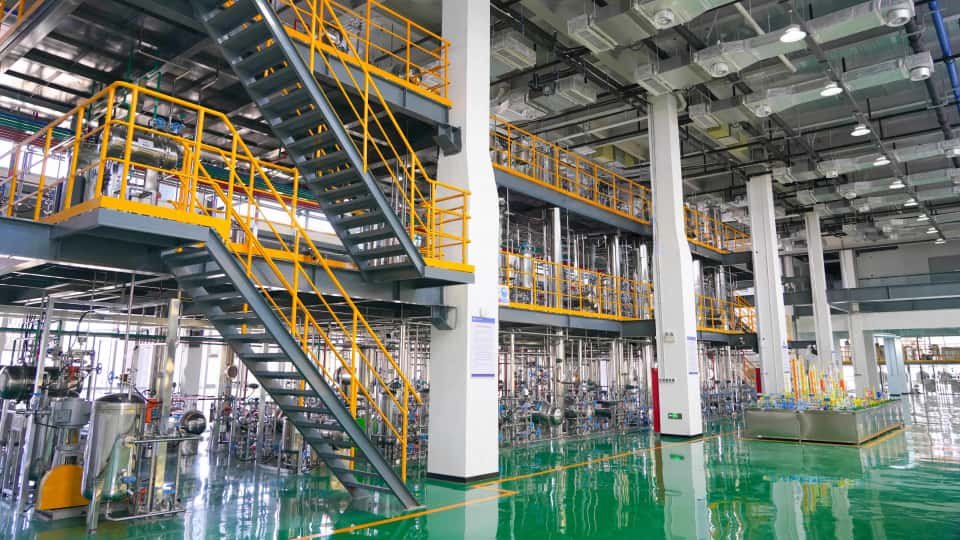

From Standard Supply to Customized Requirements
Built on technical expertise, manufacturing capability, and reliable supply
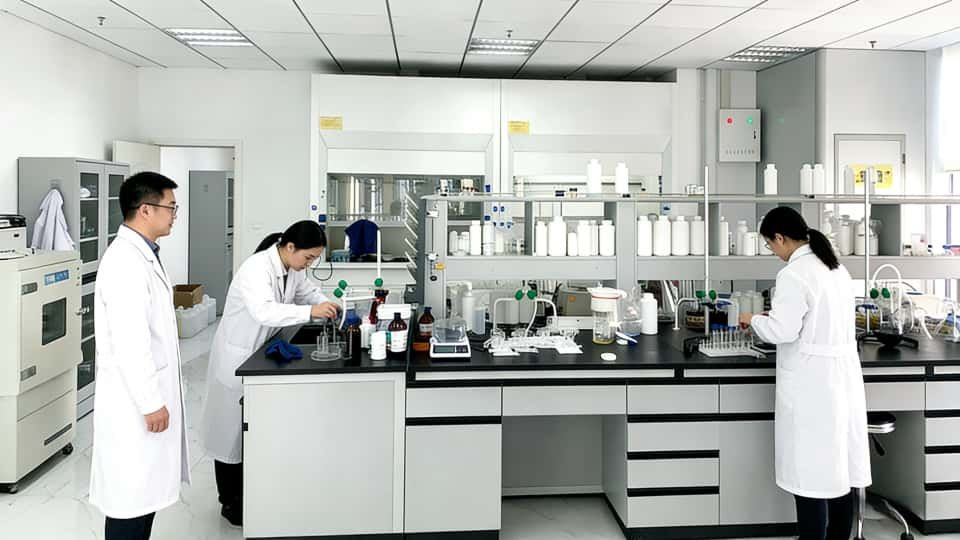
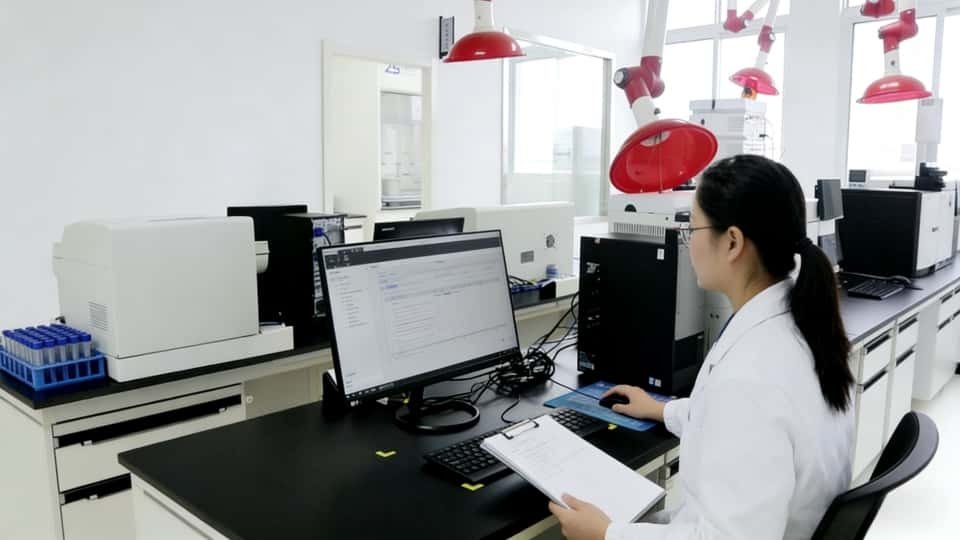
Supports batch quality verification & application-oriented testing, ensuring consistent performance & reliable product quality.
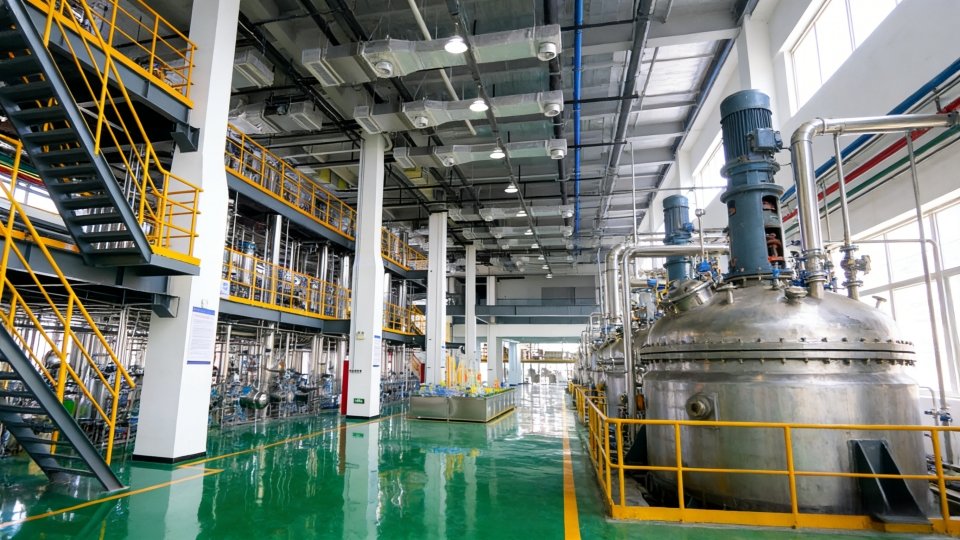
Stable, scalable manufacturing with standardized processes, supporting both regular supply and bulk industrial demand.
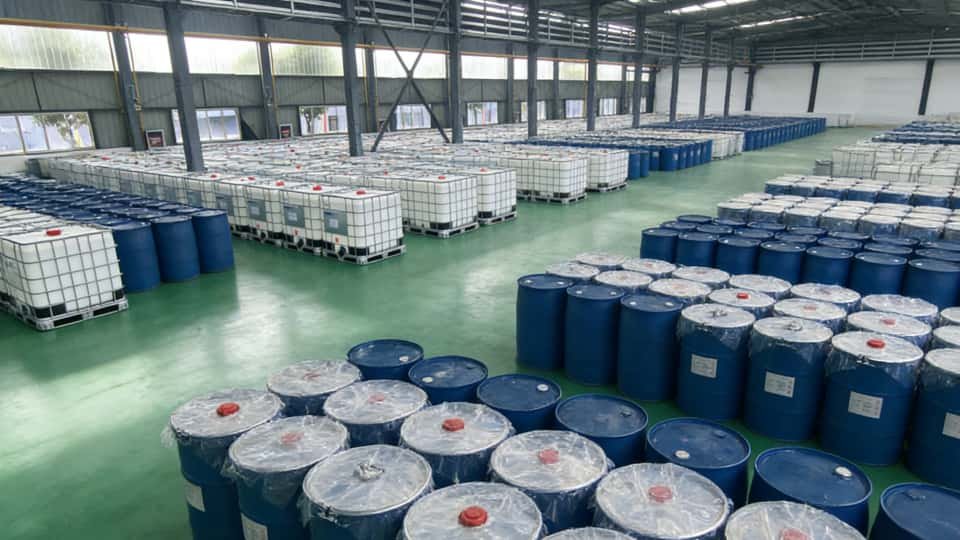
Products are stored under controlled conditions with standardized packaging, enabling efficient order fulfillment and reliable global delivery.
Clear communication and application-focused support, helping customers select suitable products and streamline procurement.

Navigate the complexities of the global silane market. This definitive report provides actionable insights, vetted supplier landscapes, and strategic sourcing methodologies to optimize your supply chain in the year ahead.