Space, AI, and Energy Convergence Drives a High-End Materials Revolution
Following Elon Musk’s completion of the acquisition of his artificial intelligence and social media company xAI through SpaceX, his net worth reportedly surpassed $800 billion, marking a historic milestone in global wealth rankings. According to estimates cited by Forbes, the merged entity reached a valuation of $1.25 trillion, pushing Musk’s personal fortune to approximately $852 billion.
Beyond the headline wealth figure lies something far more structurally significant: a convergence of three transformative technological waves—
- Commercial space
- AI computing power
- Space-based solar energy
This convergence is not only reshaping systems engineering, but also catalyzing a deep structural shift in advanced materials demand. At the center of this transformation stands an often overlooked but mission-critical material: organosilicon (polysiloxane).
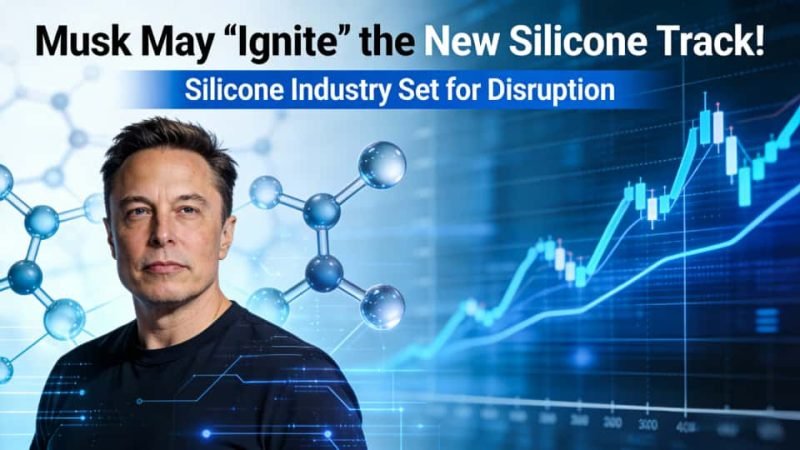
Industry observers increasingly argue that Musk’s ecosystem is effectively triggering a new high-performance silicone track.
Why Silicone Becomes Strategic in Extreme-Tech Scenarios
Silicone materials are defined by their Si–O backbone structure, delivering:
- Exceptional thermal stability
- Broad temperature tolerance (−60°C to 250°C+)
- Outstanding electrical insulation
- UV and radiation resistance
- Chemical inertness
- Mechanical flexibility
These properties uniquely position silicone at the intersection of space, robotics, and AI infrastructure.
1️⃣ Space-Grade Encapsulation Materials
Protecting Photovoltaics Beyond Earth
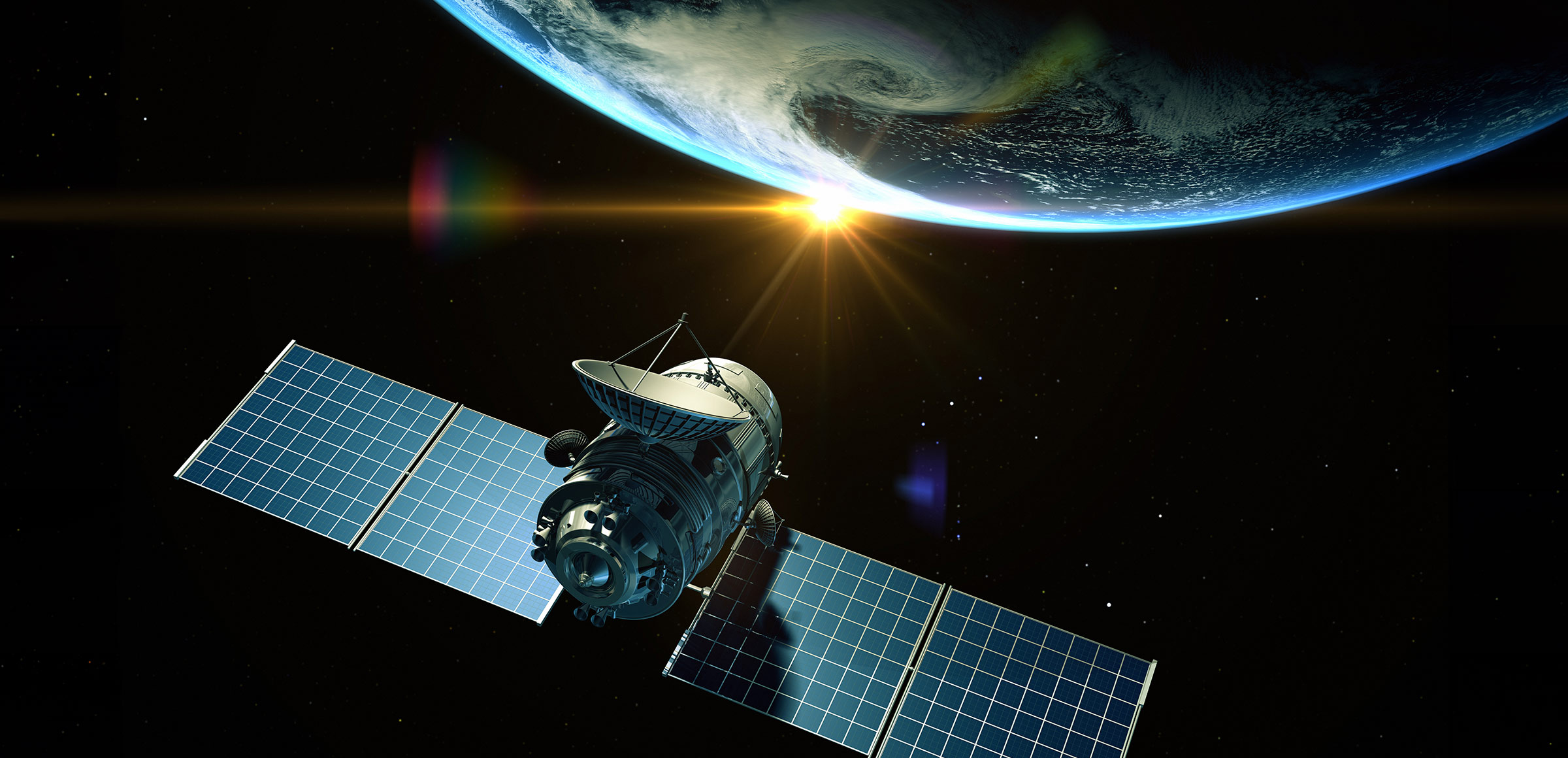
Space-based photovoltaic systems face environmental conditions far beyond terrestrial tolerance:
- Intense cosmic radiation
- Extreme thermal cycling (−150°C to +150°C)
- Atomic oxygen erosion
- Micrometeoroid impacts
Conventional encapsulation materials degrade rapidly under such stress.
High-performance silicone elastomers are emerging as the preferred protective layer due to:
- Radiation resistance
- Long-term elasticity retention
- Minimal outgassing in vacuum
- Thermal expansion compatibility
For space solar power stations expected to operate for decades, silicone-based encapsulation becomes indispensable.
2️⃣ Silicone Thermal Management Materials
Aerospace & High-Power Electronics
Commercial spacecraft, rocket engines, and orbital energy conversion systems demand:
- Efficient heat dissipation
- High-temperature sealing
- Flame resistance
- Structural stability
Silicone-based solutions include:
- Thermal interface materials (TIMs)
- Conductive pads
- High-temperature sealants
- Flame-retardant coatings
As aerospace electronics become denser and more powerful, silicone transitions from auxiliary material to thermal control core material.
3️⃣ High-Performance Silicone-Based Cooling Fluids
The AI Computing Bottleneck
On Earth, AI computing density is accelerating rapidly:
- Single rack power density exceeding 50 kW
- Moving toward 100 kW per cabinet
Air cooling has reached its practical limits.
Immersion liquid cooling is becoming the mainstream direction.
Silicone-based dielectric cooling fluids offer:
- High boiling point
- Low freezing point
- Electrical non-conductivity
- Non-corrosiveness
- Chemical stability
These characteristics make them ideal for next-generation data centers.
Industry projections indicate that China’s liquid cooling market alone could approach RMB 29.3 billion by 2025. As autonomous driving, robotics, edge computing, and generative AI scale further, demand for high-performance cooling media may expand exponentially.
A System-Level Materials Shift
The convergence of:
- Space-based solar infrastructure
- Commercial aerospace expansion
- AI computational scaling
- Humanoid robotics (e.g., Optimus)
is generating a materials requirement profile defined by:
- Extreme environmental durability
- Long lifecycle reliability
- Thermal conductivity optimization
- Electrical insulation integrity
- Lightweight structural flexibility
Few polymer systems can satisfy all these constraints simultaneously. Silicone, however, is uniquely positioned.
Strategic Implications for China
China remains:
- The world’s largest silicone producer
- The largest silicone consumer
- Owner of a fully integrated industrial chain (from metallic silicon to downstream deep processing)
This shift offers Chinese enterprises a rare opportunity to transition from:
“Scale manufacturing” → “High-end material innovation.”
Leading domestic producers are already accelerating R&D in:
- Radiation-resistant aerospace adhesives
- Ultra-high thermal conductivity silicone gels
- Electronic-grade ultra-pure cooling fluids
- Atomic oxygen-resistant coatings
The next value frontier lies not in volume expansion, but in specialized, mission-critical formulations.
A New Silicone Race Has Begun
Elon Musk’s ecosystem—spanning space launch, AI computation, robotics, and electric mobility—does more than disrupt industries. It reshapes the technical envelope of materials engineering.
The emerging silicone track is defined by:
- Space-grade encapsulation
- Aerospace thermal management
- AI immersion cooling fluids
- High-reliability electronic insulation
The question is no longer whether demand will materialize.
The real question is:
Who will master the high-end silicone formulations required for this new era?
In the convergence of space, AI, and energy, silicone may quietly become one of the most strategic materials of the next decade.