Vinyl Silicone Oils are vinyl-functionalized polydimethylsiloxane (PDMS) fluids in which a portion of the methyl (–CH₃) groups along the siloxane backbone (–Si–O–Si–) are replaced or terminated with vinyl groups (–CH=CH₂). They are primarily used as reactive silicone intermediates rather than simple lubricating fluids.
The presence of vinyl functionality allows the oil to participate in addition curing (hydrosilylation) reactions, enabling crosslinking into elastomers, gels, sealants, and encapsulants.
SiliconChemicals® Vinyl Silicone Oils are high-purity vinyl-functional polydimethylsiloxane (PDMS) fluids designed for platinum-catalyzed addition curing systems. By introducing controlled vinyl (–CH=CH₂) functionality into the silicone backbone or chain ends, these fluids enable predictable crosslink density, optimized curing kinetics, and superior mechanical performance in elastomers, gels, and specialty silicone formulations. They are not commodity silicone lubricants — they are reactive polymer intermediates engineered for structural network formation.
| Model Code | Polymer Structure | Viscosity (cSt, 25°C) | Vinyl Content (%) | Molecular Level | Reactivity Level | Primary Application | Special Notes |
|---|---|---|---|---|---|---|---|
| VTS-50 | Vinyl-Terminated PDMS | 50 | 0.05 | Low MW | Low | RTV modifiers | Ultra-low viscosity |
| VTS-100 | Vinyl-Terminated PDMS | 100 | 0.05 | Low MW | Low | RTV / Soft LSR | Flow enhancement |
| VTS-350 | Vinyl-Terminated PDMS | 350 | 0.08 | Medium-Low | Medium | Injection LSR | Balanced flexibility |
| VTS-1000 | Vinyl-Terminated PDMS | 1000 | 0.10 | Medium | Medium | General LSR | Standard base polymer |
| VTS-2000 | Vinyl-Terminated PDMS | 2000 | 0.15 | Medium | Medium | LSR / RTV | Improved tensile strength |
| VTS-5000 | Vinyl-Terminated PDMS | 5000 | 0.20 | Medium-High | Medium | RTV / HCR | Higher network density |
| VTS-10000 | Vinyl-Terminated PDMS | 10000 | 0.30 | High | Medium-High | High-strength LSR | Increased hardness |
| VTS-20000 | Vinyl-Terminated PDMS | 20000 | 0.30 | High | Medium-High | Industrial seals | Dimensional stability |
| VTS-60000 | Vinyl-Terminated PDMS | 60000 | 0.50 | Very High | High | HCR base | High modulus |
| VTS-100000 | Vinyl-Terminated PDMS | 100000 | 0.50 | Very High | High | Extrusion rubber | Structural components |
| VTS-300000 | Vinyl-Terminated PDMS | 300000 | 0.60 | Ultra High | High | High-consistency rubber | High elasticity |
| VTS-500000 | Vinyl-Terminated PDMS | 500000 | 0.80 | Ultra High | Very High | Industrial molded parts | Rapid cure systems |
| VTS-1000K | Vinyl-Terminated PDMS | 1,000,000 | 0.80 | Ultra High | Very High | Specialty HCR | Custom elastomer systems |
| VPM-1000 | Pendant Vinyl PDMS | 1000 | 0.30 | Medium | High | LSR reinforcement | Increased crosslink density |
| VPM-5000 | Pendant Vinyl PDMS | 5000 | 0.50 | Medium-High | High | Fast RTV | Short cycle production |
| VPM-10000 | Pendant Vinyl PDMS | 10000 | 0.80 | High | Very High | High hardness elastomers | Higher modulus |
| VPM-20000 | Pendant Vinyl PDMS | 20000 | 1.00 | High | Very High | Structural silicone | High crosslink potential |
| VPM-50000 | Pendant Vinyl PDMS | 50000 | 1.50 | Very High | Extreme | Specialty rubber | Ultra-fast cure |
| VPM-HighVi | Pendant Vinyl PDMS | Custom | 2.00+ | Custom | Extreme | Custom systems | Maximum reactivity |
| VLP-1000 | Low Vinyl Precision PDMS | 1000 | 0.03 | Medium | Very Low | Medical LSR | High elongation |
| VLP-5000 | Low Vinyl Precision PDMS | 5000 | 0.05 | Medium-High | Low | Food-grade systems | Soft elastomer |
| VLP-10000 | Low Vinyl Precision PDMS | 10000 | 0.08 | High | Low-Medium | Medical elastomer | Controlled cure |
| VLP-20000 | Low Vinyl Precision PDMS | 20000 | 0.10 | High | Medium | Regulated systems | Low shrinkage |
| VRF-5000 | High Reactivity PDMS | 5000 | 0.80 | Medium-High | Very High | Automated LSR | Fast injection cycles |
| VRF-10000 | High Reactivity PDMS | 10000 | 1.00 | High | Extreme | High-speed molding | Reduced cycle time |
| VRF-20000 | High Reactivity PDMS | 20000 | 1.50 | High | Extreme | Industrial mass production | Rapid crosslink |
| VRF-Extreme | High Reactivity PDMS | Custom | 2.00 | Custom | Maximum | Ultra-fast cure systems | Special formulations |
| VPS-Phenyl | Vinyl-Phenyl Modified | 5000–20000 | 0.30–0.80 | Medium-High | Medium | Low temperature elastomers | Improved cold resistance |
| VPS-Fluoro | Vinyl-Fluoro Modified | 5000–20000 | 0.30–0.80 | Medium-High | Medium | Oil-resistant systems | Chemical resistance |
| VPS-HighTemp | High Temperature Grade | 10000–60000 | 0.50–1.00 | High | High | 250°C+ applications | Thermal stability enhanced |
| VPS-LowVol | Low Volatile Grade | 1000–10000 | 0.10–0.30 | Medium | Medium | Electronics encapsulation | Ultra-low VOC |
| VPS-Medical | Medical Grade Vinyl PDMS | 1000–20000 | 0.05–0.20 | High Purity | Controlled | Medical / FDA-ready systems | Compliance documentation |
Product List

Vinyl Silicone Oils are classified based on polymer architecture, vinyl content, viscosity level, reactivity profile, and end-use performance positioning.
Below is the complete industrial functional classification framework used in engineering-grade silicone formulation.
| Category | Structure Type | Functional Role | Typical Systems |
|---|---|---|---|
| Vinyl-Terminated PDMS (Vi-PDMS) | Vinyl groups at chain ends | Base polymer for addition cure | LSR / RTV / HCR |
| Pendant Vinyl PDMS | Vinyl groups along backbone | Increased crosslink density | High-modulus elastomers |
| Low-Vinyl Precision PDMS | Ultra-low vinyl content | Soft & high elongation systems | Medical / Food grade |
| High-Vinyl Reactive PDMS | Elevated vinyl density | Fast cure / high hardness | Automated molding |
| Modified Vinyl Silicone Oils | Vinyl + Phenyl / Fluoro | Specialty performance | Extreme environments |
| Vinyl Content Range | Reactivity Level | Functional Effect | Application Direction |
|---|---|---|---|
| 0.03 – 0.08 % | Very Low | Soft network formation | Medical elastomers |
| 0.1 – 0.3 % | Moderate | Balanced curing | General LSR |
| 0.3 – 0.8 % | High | Increased hardness | Industrial rubber |
| 0.8 – 1.5 % | Very High | Rapid curing | High-speed injection |
| 1.5 – 2.0 %+ | Extreme | Maximum crosslink density | Specialty systems |
Higher vinyl → higher crosslink density → higher modulus & faster cure
Lower vinyl → improved flexibility & elongation
| Viscosity (cSt) | Molecular Level | Functional Behavior | Processing Type |
|---|---|---|---|
| 50 – 500 | Low MW | Flow modifier | RTV modifiers |
| 1,000 – 5,000 | Medium MW | Standard base polymer | LSR |
| 10,000 – 20,000 | High MW | Improved strength | RTV / LSR |
| 60,000 – 100,000 | Very High MW | High elasticity | HCR |
| 300,000 – 1,000,000 | Ultra High MW | Structural rubber base | Extrusion systems |
| Application Segment | Recommended Vinyl Type | Key Performance Target |
|---|---|---|
| Liquid Silicone Rubber (LSR) | Vinyl-Terminated PDMS | Controlled injection curing |
| Room Temperature Vulcanization (RTV) | Medium vinyl PDMS | Balanced pot life & cure |
| High Consistency Rubber (HCR) | High viscosity vinyl PDMS | Mechanical strength |
| Silicone Gels | Low vinyl precision PDMS | Soft encapsulation |
| Automotive Seals | Medium–High vinyl PDMS | Compression set resistance |
| Medical Silicone | Low vinyl ultra-purity PDMS | Compliance & elongation |
| Electronics Potting | Low volatile vinyl PDMS | Electrical insulation |
| High Temperature Systems | Phenyl-modified vinyl PDMS | Thermal stability |
| Reactivity Grade | Vinyl Density | Cure Speed | Industrial Positioning |
|---|---|---|---|
| Standard Grade | 0.1 – 0.3 % | Moderate | General manufacturing |
| Fast-Cure Grade | 0.5 – 1.0 % | Rapid | Automated lines |
| Ultra-Fast Grade | 1.0 – 2.0 % | Very Rapid | Mass production |
| Controlled-Cure Grade | ≤0.1 % | Slow & stable | Medical systems |
| Specialty Grade | Functional Enhancement | Target Industry |
|---|---|---|
| Phenyl-Vinyl Silicone Oil | Low temperature flexibility | Aerospace / Cold climates |
| Fluoro-Vinyl Silicone Oil | Oil & fuel resistance | Automotive / Chemical |
| High-Temperature Vinyl Oil | 250°C+ resistance | Industrial sealing |
| Low-Volatile Grade | Reduced outgassing | Electronics |
| Medical-Grade Vinyl PDMS | Biocompatibility | Healthcare devices |
SiliconChemicals® Vinyl Silicone Oils cover:
• Vinyl content: 0.03% – 2.0%+
• Viscosity: 50 – 1,000,000 cSt
• Molecular weight: Fully customizable
• Architecture: End-capped / Pendant / Modified
• Industrial segments: LSR / RTV / HCR / Gel / Adhesive
Vinyl Silicone Oils are reactive backbone materials used in platinum-catalyzed hydrosilylation systems.
They transform silicone fluids into crosslinked elastomer networks with controlled mechanical, thermal, and chemical performance.
SiliconChemicals® Vinyl Silicone Oil is a high-purity, vinyl-functional polydimethylsiloxane (PDMS) designed for platinum-catalyzed addition-cure silicone systems. By incorporating controlled vinyl (–CH=CH₂) groups into the polymer chain, it enables precise crosslink density regulation, stable curing kinetics, and predictable mechanical performance. Unlike conventional non-reactive silicone fluids, this material functions as a reactive base polymer in elastomer, gel, and adhesive formulations.
The product range covers viscosities from low-flow modifiers to ultra-high molecular weight grades suitable for LSR, RTV, and HCR systems. With tightly controlled vinyl content (0.03%–2.0%+), low volatile matter, and narrow molecular weight distribution, SiliconChemicals® Vinyl Silicone Oil ensures consistent processing behavior, reduced catalyst deactivation risk, and enhanced thermal and dielectric stability.
Engineered for industrial scalability, it supports applications in automotive sealing, medical silicone components, electronics encapsulation, and high-performance molded rubber products. Custom vinyl levels, viscosity tailoring, and compliance-ready grades are available to meet specific formulation and regulatory requirements.
Vinyl Silicone Oil is based on a polydimethylsiloxane (PDMS) backbone composed of repeating siloxane units:
[−Si(CH3)2–O−]n[-Si(CH₃)₂–O-]_n[−Si(CH3)2–O−]n
In Vinyl Silicone Oil, part of the methyl (–CH₃) substituents are replaced or terminated with vinyl groups (–CH=CH₂), forming:
[−Si(CH3)(CH=CH2)–O−]n[-Si(CH₃)(CH=CH₂)–O-]_n[−Si(CH3)(CH=CH2)–O−]n
Depending on formulation design, vinyl groups may be positioned:
The Si–O–Si backbone provides exceptional flexibility, thermal stability, and low glass transition temperature, while the vinyl groups introduce controlled chemical reactivity required for crosslink formation.
The primary functional mechanism is platinum-catalyzed hydrosilylation, an addition reaction widely used in industrial silicone curing systems.
Vinyl group (–CH=CH₂)
+
Hydrogen silicone oil (Si–H functional polymer)
→
Formation of Si–C bond
→
Three-dimensional crosslinked silicone network
This addition-cure mechanism is characterized by:
During curing:
The vinyl content directly governs crosslink density, influencing:
Higher vinyl content → Higher crosslink density → Increased modulus & faster curing
Lower vinyl content → Softer elastomer → Improved flexibility & elongation
At the molecular level, the high bond energy of the Si–O backbone (~452 kJ/mol) combined with stable Si–C crosslinks provides outstanding thermal resistance, electrical insulation, UV stability, and long-term environmental durability. This structural synergy is what enables Vinyl Silicone Oil to function as the core reactive intermediate in advanced silicone elastomer systems across automotive, medical, electronics, and industrial sealing applications.
SiliconChemicals® Vinyl Silicone Oil is primarily used as a reactive base polymer in platinum-catalyzed addition-cure silicone systems. Its controlled vinyl functionality enables precise crosslink density regulation, making it essential for elastomers, gels, sealants, and specialty silicone formulations across multiple high-performance industries.
Vinyl Silicone Oil functions as the main polymer backbone in two-component LSR systems, providing controlled curing, excellent dimensional stability, and consistent mechanical performance.
Balanced vinyl content ensures manageable pot life while maintaining adequate crosslink density for strength and durability.
Higher viscosity vinyl grades are used to build structural elastomer bases with improved tensile strength and compression set resistance.
Low-vinyl precision grades allow formation of soft, transparent, and electrically insulating gel networks.
Vinyl functionality enables controlled crosslinking within adhesive matrices, enhancing cohesion while maintaining tack.
Modified vinyl silicone oils (phenyl / fluoro variants) extend performance into extreme temperature and chemical environments.
SiliconChemicals® Vinyl Silicone Oil is therefore positioned not as a conventional silicone fluid, but as a core reactive intermediate supporting modern addition-cure silicone technologies in automotive, electronics, medical, industrial sealing, and advanced manufacturing sectors.
Vinyl groups (–CH=CH₂) react with Si–H functional silicone polymers to form strong Si–C crosslinks.
This mechanism provides:
Compared with condensation-cure silicones, addition-cure systems deliver superior mechanical consistency and process control.
Vinyl content directly governs crosslink density:
This allows formulators to fine-tune:
The result is predictable engineering performance across automotive, electronics, and healthcare applications.
The Si–O–Si backbone provides:
This combination supports demanding environments such as engine compartments, power electronics, and outdoor sealing systems.
Vinyl Silicone Oil enables:
High-purity grades also minimize catalyst poisoning and ensure consistent batch-to-batch reproducibility.
Modified vinyl silicone oils (phenyl, fluoro, low-volatile, medical-grade) extend performance into:
In Summary, You use Vinyl Silicone Oil when you need:
✔ Controlled crosslink chemistry
✔ High-performance elastomer networks
✔ Clean platinum curing
✔ Reliable industrial scalability
✔ Long-term thermal and environmental stability
It is the foundational reactive material behind modern addition-cure silicone technology.
Pick Vinyl Silicone Oil by locking down (1) curing system → (2) target properties → (3) process window → (4) compliance → (5) pairing with Si–H crosslinker. The “right” grade is the one that gives you the required network (crosslink density) without compromising pot life, flow, or catalyst stability.
LSR (injection molding): prioritize stable viscosity + consistent vinyl for repeatable cycles.
RTV addition-cure (casting/potting/adhesives): prioritize pot life control + low volatiles.
HCR (milling/extrusion/press cure): prioritize very high viscosity / high MW for strength and shape retention.
Silicone gels (soft encapsulation): prioritize low vinyl for low crosslink density and softness.
| If you need… | Choose… | Why |
|---|---|---|
| Standard LSR/RTV base polymer | Vinyl-terminated PDMS (Vi-PDMS) | Predictable network via Si–H crosslinker |
| Higher modulus / faster build of network | Pendant vinyl PDMS | More vinyl sites → higher crosslink density |
| Extra-soft, high elongation | Low-vinyl precision PDMS | Lower crosslink density; more flexibility |
| Ultra-fast cure cycles | High-vinyl reactive grade | Higher reactivity (watch pot life) |
| Extreme environment performance | Modified vinyl (phenyl / fluoro / low-vol / high-temp) | Tailored thermal/chemical/outgassing behavior |
Vinyl content is a practical “crosslink density knob”.
| Target outcome | Typical vinyl content guidance* |
|---|---|
| Very soft gel / low modulus | 0.03–0.08% |
| Soft–medium elastomer, high elongation | 0.08–0.20% |
| Balanced general-purpose elastomer | 0.20–0.50% |
| Higher hardness / higher modulus | 0.50–1.0% |
| Very fast cure / high crosslink density | 1.0–2.0%+ |
*Ranges vary with Si–H level, filler loading, and catalyst/inhibitor package.
| Process / need | Suggested viscosity band (cSt, 25°C) |
|---|---|
| Flow modifier / wetting aid | 50–500 |
| Standard LSR base polymer | 1,000–10,000 |
| Higher strength RTV/LSR | 10,000–20,000 |
| HCR base / extrusion stability | 60,000–100,000 |
| Very high strength / profile extrusion | 300,000–1,000,000 |
Rule of thumb: higher viscosity → higher MW → better mechanical strength & green strength, but harder mixing and poorer flow.
Vinyl silicone oil is only half the system. Your outcome depends on Vinyl : Si–H functional ratio and the Si–H crosslinker type (low MW vs polymeric).
Practical checks:
(If you tell me your target Shore A, cure temp/time, and filler %, I can give an engineering starting window.)
For platinum systems, selecting a “technically correct” vinyl grade can still fail if impurities poison the catalyst.
Prioritize:
Very high viscosity (≥60,000 cSt), 0.3–0.8% vinyl depending on hardness target.
Consider fluoro-vinyl modified grades.
Consider phenyl-vinyl modified grades.
If you share (a) application, (b) target hardness or feel, and (c) process (LSR/RTV/HCR, cure temp/time), I’ll map it to a specific vinyl content + viscosity band + architecture, and recommend the closest SiliconChemicals® model family (VLP / VTS / VPM / VRF / VPS).
Packaging: 500 g / 1 kg / 5 kg / 25 kg / 200 kg drums / 1000L IBC container (Customized packaging is available).
Selecting the right Vinyl Silicone Oil directly impacts curing stability, mechanical performance, and long-term durability. Whether you are developing LSR, RTV, HCR, gel systems, or specialty elastomers, precise control over vinyl content, viscosity, and purity makes the difference between acceptable results and engineering-grade performance.
SiliconChemicals® provides customized Vinyl Silicone Oil solutions with controlled vinyl levels (0.03%–2.0%+), viscosity coverage from 50 to 1,000,000 cSt, and specialty grades for medical, high-temperature, low-volatile, and chemical-resistant applications.
If you share:
Our technical team will recommend the optimal grade and crosslinking window for your system.
Contact SiliconChemicals® today to request technical data sheets, samples, or formulation guidance — and build a silicone system engineered for performance and reliability.
Disclaimer
“The information provided herein is based on general industry experience and is intended for reference purposes only. Actual performance and optimal usage conditions may vary depending on formulation, processing methods, substrate characteristics, and end-use requirements. Users are responsible for conducting their own tests and evaluations to determine suitability for their specific applications. No warranty, express or implied, is made regarding the completeness, accuracy, or applicability of this information.”
Selecting the right silane coupling agent is only the first step. Achieving optimal performance often requires application-specific evaluation and formulation optimization. Our technical team provides comprehensive support to ensure successful implementation across diverse material systems.

From Standard Supply to Customized Requirements
Built on technical expertise, manufacturing capability, and reliable supply
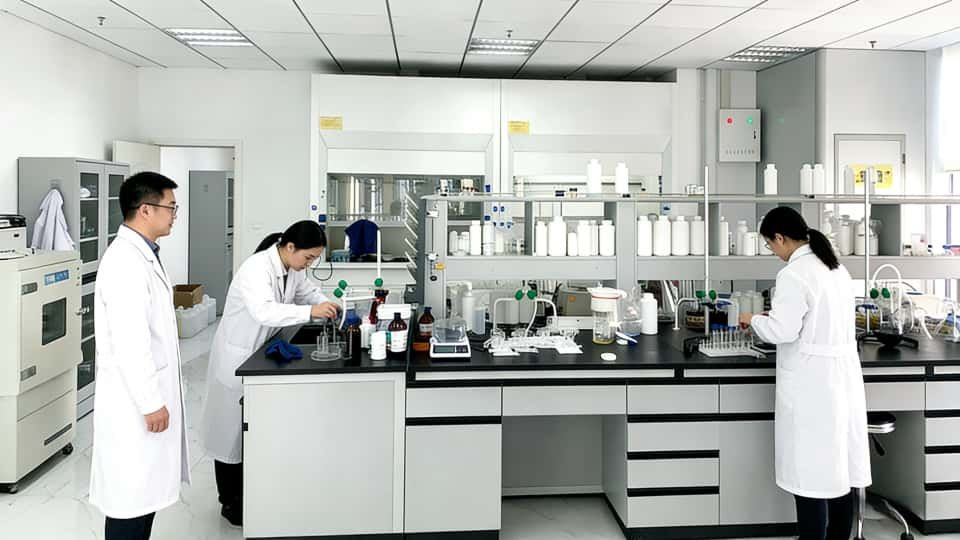
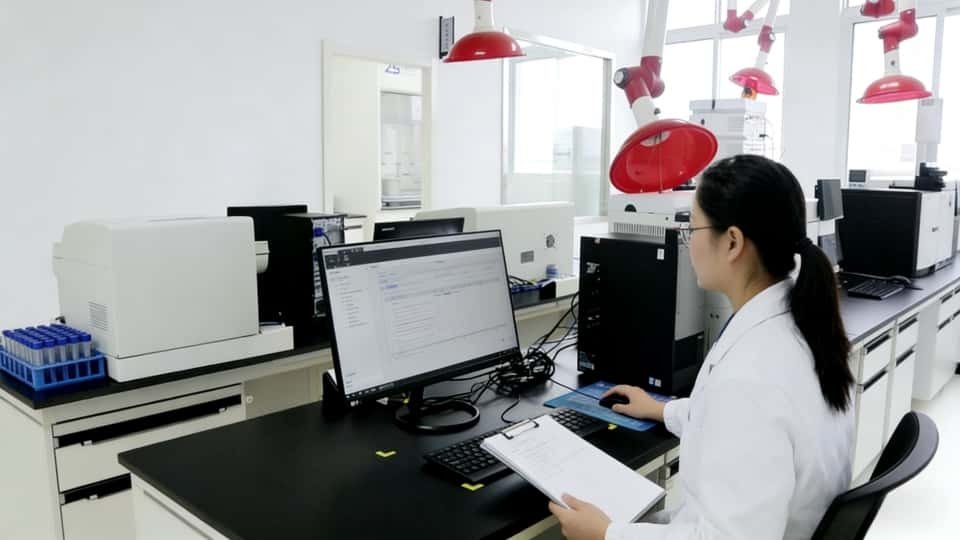
Supports batch quality verification & application-oriented testing, ensuring consistent performance & reliable product quality.
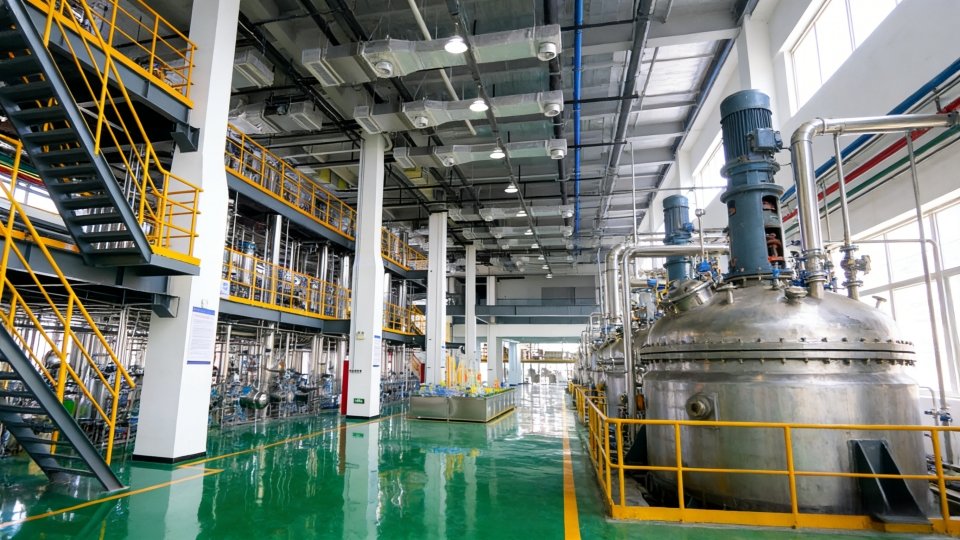
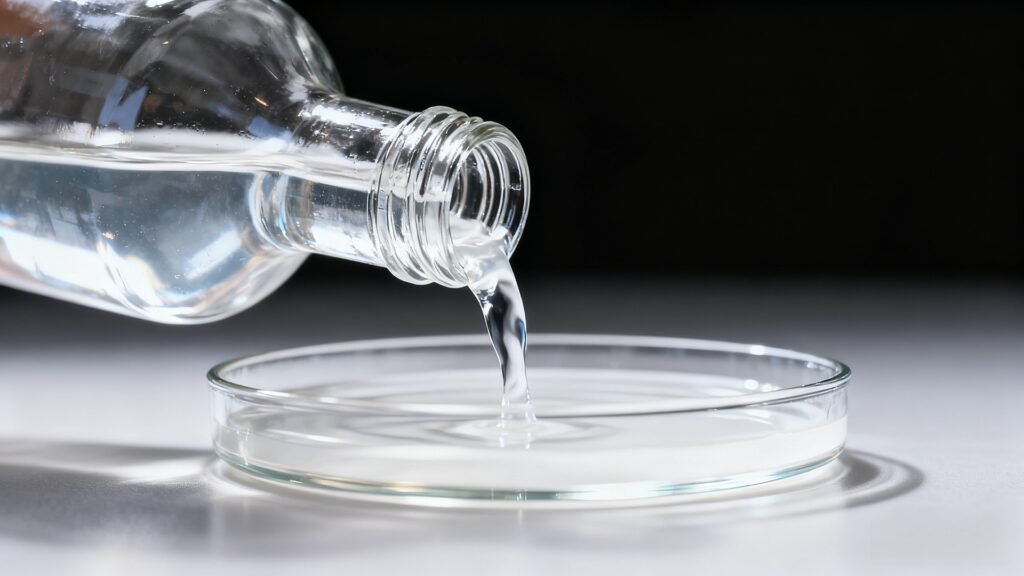
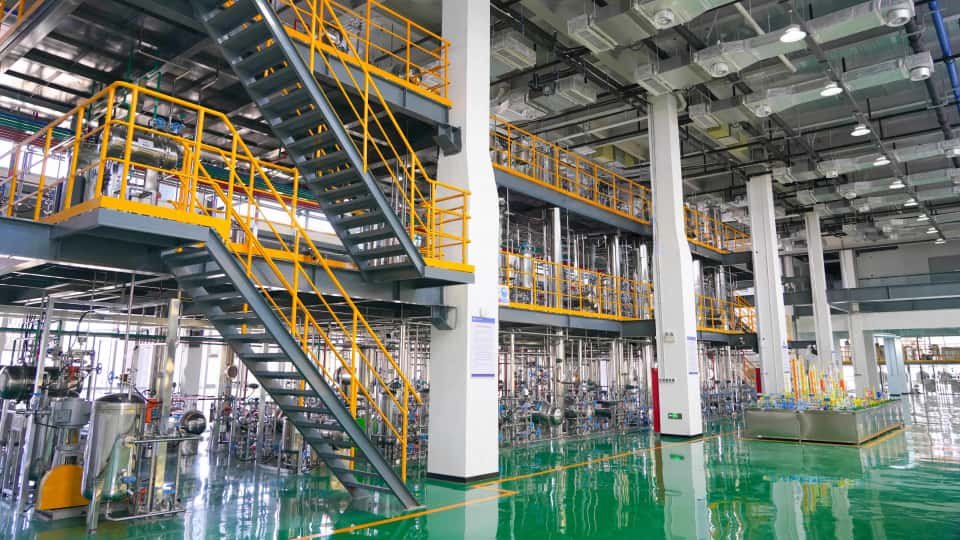
Stable, scalable manufacturing with standardized processes, supporting both regular supply and bulk industrial demand.
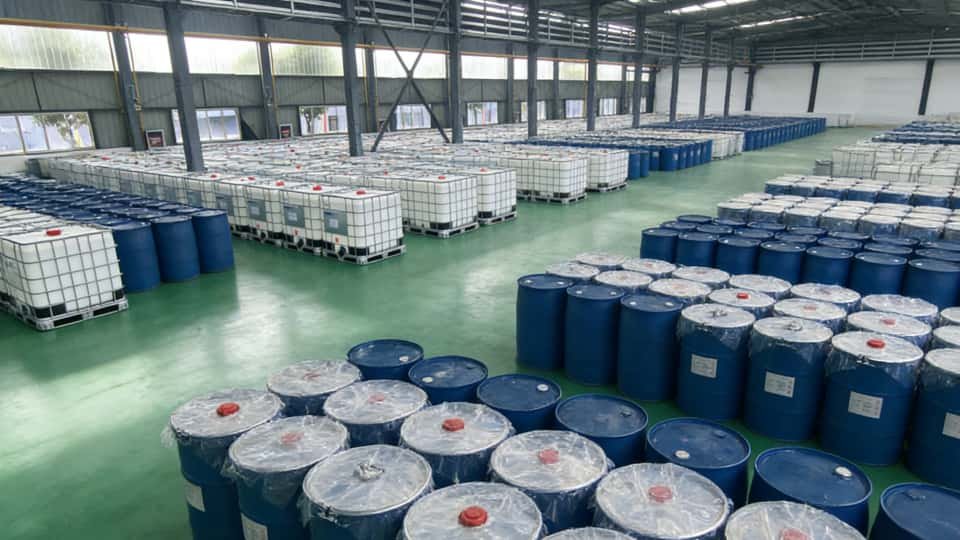
Products are stored under controlled conditions with standardized packaging, enabling efficient order fulfillment and reliable global delivery.

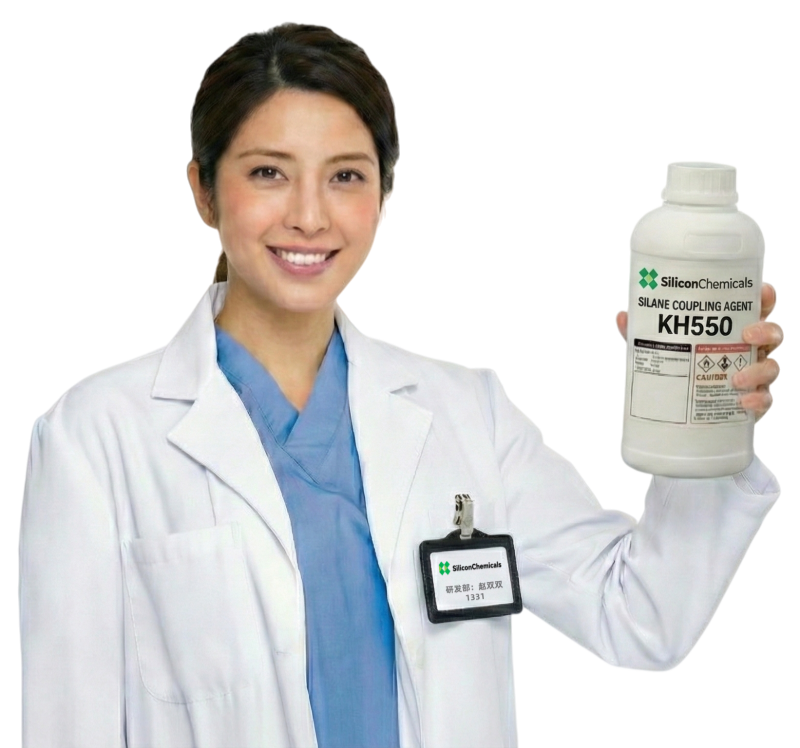
Clear communication and application-focused support, helping customers select suitable products and streamline procurement.
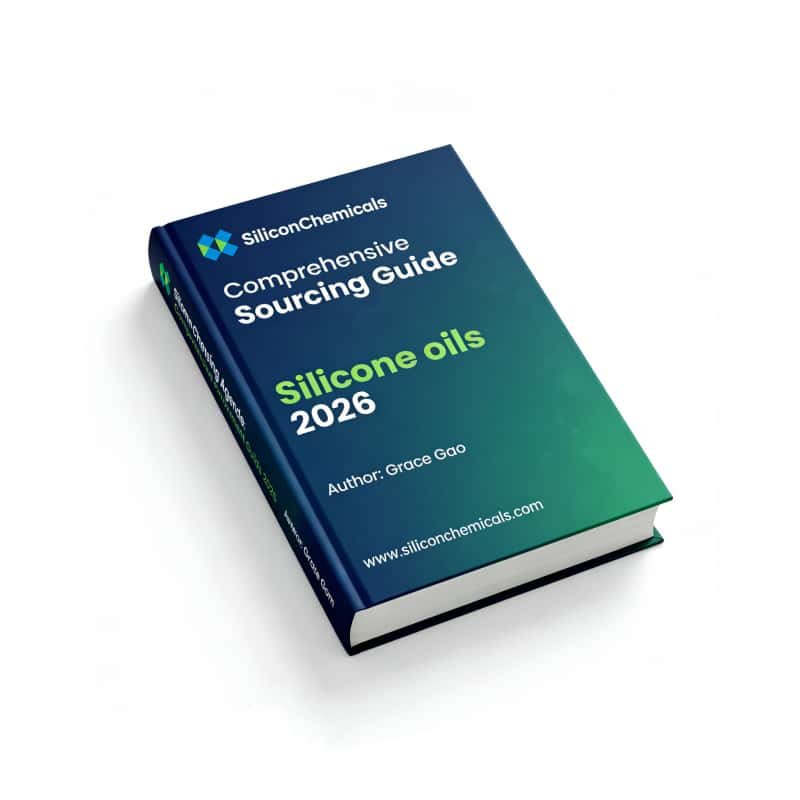
Navigate the complexities of the global Silicone Oil market. This definitive report provides actionable insights, vetted supplier landscapes, and strategic sourcing methodologies to optimize your supply chain in the year ahead.