Resin-modified silicone oils are engineered organosilicon fluids in which silicone resin structures are partially incorporated into conventional silicone oil molecules. This hybrid molecular design combines the flexibility and processability of silicone oils with the film strength, durability, and thermal stability of silicone resins. They are specifically developed to overcome the limitations of pure silicone oils (weak films, migration, volatility) without introducing the processing complexity of fully cured silicone resins.
SiliconChemicals Resin-Modified Silicone Oils are advanced organosilicon materials designed to bridge the gap between conventional silicone oils and fully cured silicone resins. By integrating controlled silicone resin structures into silicone oil backbones, these products provide durable films, controlled surface behavior, enhanced thermal stability, and improved formulation compatibility—without sacrificing ease of processing.
| Product Model | Resin Structure | Structural Units | Typical Resin Content | Viscosity @ 25 °C | Core Functional Characteristics | Typical Applications | Selection Keywords |
|---|---|---|---|---|---|---|---|
| RSM-MQ-L | MQ resin-modified | M + Q | 1–5 % | 50 – 10,000 cSt | Slip enhancement, light film reinforcement | Surface feel, light mold release | Slip, smooth surface |
| RSM-MQ-M | MQ resin-modified | M + Q | 5–15 % | 500 – 50,000 cSt | Balanced release, improved durability | General mold release, release coatings | Balanced performance |
| RSM-MQ-H | MQ resin-modified | M + Q | 15–30 % | 5,000 – 100,000 cSt | Strong cohesive film, low migration | Semi-permanent release coatings | Semi-permanent film |
| RSM-T-M | T-resin-modified | T | 5–15 % | 1,000 – 100,000 cSt | High cohesion, thermal stability | Industrial anti-stick coatings | Heat resistance |
| RSM-T-H | T-resin-modified | T | 15–25 % | 10,000 – 200,000 cSt | High crosslink density, low volatility | High-temperature coatings | Thermal durability |
| RSM-PhMQ-M | Phenyl MQ resin-modified | M + Q + Ph | 5–15 % | 100 – 50,000 cSt | Improved thermal & dielectric stability | Electronics, high-temp release | Thermal, dielectric |
| RSM-PhMQ-H | Phenyl MQ resin-modified | M + Q + Ph | 15–20 % | 1,000 – 100,000 cSt | Durable film, reduced volatilization | Electrical & thermal protection | High-temperature |
| RSM-PhT-H | Phenyl T-resin-modified | T + Ph | 20–30 % | 5,000 – 300,000 cSt | Extreme heat resistance, very low volatility | Aerospace, extreme environments | Extreme temperature |
| RSM-HYB-M | Hybrid organic-silicone resin | MQ / T + organic segments | 5–15 % | 500 – 30,000 cSt | Excellent compatibility with organic binders | Inks, varnishes, coatings | Compatibility |
| RSM-HYB-H | Hybrid organic-silicone resin | MQ / T + organic segments | 15–20 % | 5,000 – 50,000 cSt | Stable surface control, low phase separation | Industrial coatings | Resin compatibility |
| RSM-RX-M | Reactive resin-modified | MQ / T + reactive groups | 5–15 % | 1,000 – 50,000 cSt | Further crosslinkable, system-reactive | Curable coatings, formulations | Crosslinkable |
| RSM-RX-H | Reactive resin-modified | MQ / T + reactive groups | 15–25 % | 5,000 – 100,000 cSt | High film strength after curing | Semi-permanent coatings | Reactive system |
| RSM-SOL-MQ | Solvent-borne MQ concentrate | MQ (solution) | 20–40 % active | Solvent-dependent | Easy coating, uniform film | Release liner coatings | Coating process |
| RSM-HV-MQ | High-viscosity MQ system | MQ | 20–35 % | >200,000 cSt | Maximum adhesion, minimal migration | Anti-stick, abrasion-resistant films | Long-life film |
Product List

Siliconchemicals’ resin-modified silicone oils are organized by resin chemistry, modification level, and functional performance, allowing formulators and engineers to quickly identify the most suitable grade for their application. Rather than a one-size-fits-all product, the range is designed as a modular performance platform.
(M = R₃SiO₁/₂, Q = SiO₄/₂)
Functional role
Key characteristics
Typical applications
(T = RSiO₃/₂)
Functional role
Key characteristics
Typical applications
Functional role
Key characteristics
Typical applications
Functional role
Key characteristics
Typical applications
| Modification Level | Resin Content | Functional Profile |
|---|---|---|
| Low-Resin | ~1–5% | Slip, surface feel, minor reinforcement |
| Medium-Resin | ~5–15% | Balanced release, film durability |
| High-Resin | ≥15% | Semi-resin behavior, strong cohesive films |
Resin content directly affects film strength, migration resistance, viscosity, and durability.
| Functional Focus | Recommended Product Type |
|---|---|
| Controlled release | MQ resin-modified |
| High-temperature stability | T-resin or phenyl-modified |
| Adhesion & film durability | Medium–high resin systems |
| Organic resin compatibility | Hybrid or phenyl-modified |
| Low migration lubrication | Low–medium resin systems |
| Application | Optimal Resin-Modified System |
|---|---|
| Mold release | MQ, medium resin |
| Release liners | MQ or hybrid |
| High-temp coatings | T-resin or phenyl |
| Inks & varnishes | Hybrid organic-silicone |
| Electronics protection | Phenyl-resin modified |
| Industrial anti-stick films | Medium-resin systems |
Siliconchemicals’ resin-modified silicone oils are not a single product family, but a structured portfolio built around:
This classification framework ensures that each application can be matched with a technically appropriate, performance-optimized silicone solution—without over-engineering or unnecessary formulation complexity.
For application-specific selection, viscosity tuning, or custom resin ratios, Siliconchemicals supports tailored solutions and technical guidance.
This section classifies PDMS by functional behavior and engineering role, helping you understand how different PDMS types work and how to select the right material beyond basic viscosity or product form.
Function: Physical performance without chemical participation
Non-reactive PDMS are linear, methyl-terminated polymers that do not take part in curing or crosslinking reactions. Their value lies in thermal stability, chemical inertness, and low surface energy.
Key characteristics
Typical applications
Function: Controlled curing and network formation
End-functional PDMS contain reactive terminal groups that enable condensation or addition curing, forming the backbone of silicone sealants, adhesives, and elastomers.
Main types
Typical applications
Function: Mechanical strength and elasticity
High-MW PDMS, commonly supplied as gums, provide the elastic backbone of silicone rubber systems. Increasing molecular weight directly enhances tensile strength, elongation, and durability.
Typical applications
Function: Targeted surface, interfacial, or chemical performance
Functional modification introduces specific side groups onto the PDMS backbone, enabling properties not achievable with standard PDMS.
Common functional types
Typical applications
Function: Rheology control and compatibility tuning
Beyond linear chains, PDMS molecular architecture can be engineered to meet advanced formulation needs.
Architecture types
These materials are typically supplied as custom or project-specific solutions.
SiliconChemicals Polydimethylsiloxanes (PDMS) represent a comprehensive, engineering-grade silicone polymer portfolio designed to meet the performance, processing, and regulatory requirements of global industrial markets.
Our PDMS product range spans standard silicone fluids, reactive and functional polymers, high-molecular-weight gums, and formulation-ready systems, enabling precise material selection across a wide spectrum of applications.
Engineered silicone fluids combining processability with resin-level performance
Siliconchemicals’ Resin-Modified Silicone Oils are precision-formulated organosilicon materials designed to bridge the performance gap between conventional silicone fluids and fully cured silicone resins. By integrating controlled silicone-resin structures into silicone oils, these products deliver durable films, controlled surface behavior, enhanced heat resistance, and improved compatibility—while remaining easy to process.
Selecting the correct resin-modified silicone oil depends on resin type, modification level, viscosity, compatibility, and service conditions. Siliconchemicals supports customers with sample evaluation, formulation advice, and tailored solutions to ensure optimal performance in real-world applications.
Contact Siliconchemicals to discuss your application or request technical data and samples.
How resin-modified silicone oils work at the molecular and performance level
Resin-modified silicone oils derive their unique performance from a hybrid molecular architecture: a flexible linear siloxane backbone partially integrated with rigid, three-dimensional silicone resin domains. This structure fundamentally changes how the material behaves compared with conventional silicone oils.
The primary backbone is based on polydimethylsiloxane (PDMS) or phenyl-modified siloxane chains, which provide:
This segment is responsible for:
Silicone resins are highly branched siloxane networks built from multifunctional siloxane units, typically described using M / D / T / Q notation:
In resin-modified silicone oils, these resin units are chemically bonded or tightly associated with the linear oil chains rather than existing as a separate cured phase.
| Resin Type | Structural Role |
|---|---|
| MQ resin | Controlled hardness, film integrity, release tuning |
| T-resin | Higher crosslink density, thermal durability |
| Phenyl-containing resin | Improved heat and radiation resistance |
| Hybrid organic-silicone resin | Compatibility with organic binders |
Unlike fully cured silicone resins, resin-modified silicone oils:
Functional outcome:
The resin domains act as internal anchors, reinforcing the silicone film while preserving flow.
When applied to a surface:
This produces a semi-permanent film—stronger than oil, but more flexible than a cured resin coating.
Resin modification alters surface behavior by:
This is why resin-modified silicone oils provide:
Resin segments—especially T and phenyl-containing units—increase:
Result:
Lower volatility, reduced degradation, and stable film integrity at elevated temperatures compared with standard silicone oils.
Resin domains introduce:
This enhances adhesion to:
Phenyl and hybrid resin structures:
| Structural Element | Functional Effect |
|---|---|
| Linear siloxane chains | Slip, flow, low surface energy |
| Resin domains | Film strength, durability |
| MQ structure | Controlled release & gloss |
| T-resin structure | Heat resistance & cohesion |
| Phenyl substitution | Thermal & radiation stability |
| Resin content increase | Higher durability, lower migration |
Because of this hybrid architecture, resin-modified silicone oils uniquely deliver:
This molecular design is the fundamental reason they outperform conventional silicone oils in demanding industrial applications.
Resin-modified silicone oils work because rigid silicone resin micro-networks are embedded within flexible siloxane chains—creating reinforced, thermally stable, semi-permanent silicone films that remain easy to process.
This structure–function balance is what makes them indispensable in modern release systems, coatings, and high-performance surface treatments.
Where standard silicone oils fall short—and resins are too rigid
Resin-modified silicone oils are selected when applications demand durable surface function, controlled release, thermal stability, and formulation compatibility—while still requiring fluid processability. Below is a practical, industry-oriented map of where they are most effectively used and why.
Why used
Typical materials
Preferred types
Why used
Common end uses
Preferred types
Why used
Typical environments
Preferred types
Why used
Used in
Preferred types
Why used
Applications
Preferred types
Phenyl-modified resin silicone oils
Why used
Used on
Preferred types
Low-to-medium resin-modified silicone oils
Why used
Applications
Why used
Examples
| Application Area | Key Benefit |
|---|---|
| Mold release | Controlled release, low transfer |
| Release liners | Stable, repeatable release |
| High-temp coatings | Thermal durability |
| Inks & varnishes | Compatibility & surface control |
| Electronics | Heat & dielectric stability |
| Lubricating films | Reduced migration |
| Textiles & paper | Durable surface modification |
Resin-modified silicone oils are chosen whenever a surface must perform reliably over time—not just initially. They excel in applications that require durability, heat resistance, adhesion, and controlled surface behavior, while remaining far easier to process than fully cured silicone resins.
If an application demands more than simple slip—but less complexity than a full resin system—resin-modified silicone oils are the proven solution.
A performance-driven explanation for formulators, engineers, and decision-makers
Resin-modified silicone oils are used when standard silicone fluids no longer meet performance demands, but fully cured silicone resins are too rigid or difficult to process. By partially integrating silicone resin structures into silicone oils, these materials deliver a unique middle ground—combining fluid processability with durable, high-performance surface behavior.
Below are the core technical and commercial reasons why resin-modified silicone oils are widely adopted across coatings, release systems, electronics, and specialty surface treatments.
Pure silicone oils (e.g., PDMS) are excellent lubricants and surface modifiers—but they form weak, easily transferable films.
Resin-modified silicone oils:
Result:
A silicone film that stays where it is applied, even under heat, pressure, or repeated contact.
In release applications (mold release, pressure-sensitive materials, labels, tapes), pure silicone oils often cause:
Resin modification allows:
This is why MQ-resin-modified silicone oils dominate:
Resin structures—especially T-resin and phenyl-containing systems—significantly enhance thermal performance.
Compared with standard silicone oils, resin-modified systems offer:
Why it matters:
In high-temperature processing, standard silicone oils evaporate or decompose, while resin-modified oils maintain function and appearance.
Pure silicone oils notoriously suffer from poor adhesion, especially to:
Resin-modified silicone oils:
This makes them ideal for:
One of the biggest formulation challenges with silicone fluids is incompatibility.
Resin-modified silicone oils—especially phenyl or hybrid organic-silicone types—show:
This is critical in:
Instead of adding thickeners or fillers, resin-modified silicone oils naturally provide:
This simplifies formulations and:
Fully cured silicone resins:
Resin-modified silicone oils:
This balance is the key reason they exist.
Although resin-modified silicone oils may have a higher unit cost than standard silicone oils, they often:
In real industrial use, they frequently lower total cost of ownership.
| Application | Why Resin-Modified Oils Are Used |
|---|---|
| Mold release | Stable release, minimal transfer |
| High-temp coatings | Thermal durability |
| Electronics | Heat & dielectric stability |
| Pressure-sensitive liners | Controlled release force |
| Industrial lubricating films | Reduced migration |
| Specialty inks & varnishes | Compatibility & surface control |
Resin-modified silicone oils are used because they deliver the durability, heat resistance, adhesion, and controlled surface behavior that pure silicone oils cannot—while remaining far easier to process than fully cured silicone resins.
Resin-modified silicone oils are not “upgraded silicone oils”—they are engineered performance materials designed for applications where surface function, longevity, and reliability matter.
When standard silicone oils fail too soon, and silicone resins are too rigid or complex, resin-modified silicone oils are the optimal technical solution.
A practical, application-driven technical guide
Resin-modified silicone oils bridge the gap between pure silicone fluids and silicone resins, delivering a tunable balance of fluidity, film strength, adhesion, thermal stability, and durability. Selecting the right grade is less about brand names and more about matching resin chemistry and modification level to real operating conditions.
Below is a systematic, engineering-oriented selection framework you can directly apply to coatings, inks, release systems, lubricants, and specialty surface treatments.
Before looking at datasheets, define what the silicone oil must actually do in service.
Typical functional goals include:
If the application only needs lubrication or slip, a standard PDMS may be sufficient.
If durability, bonding, or crosslinking matters → resin-modified silicone oil is justified.
Different silicone resins impart fundamentally different behaviors.
| Resin Type | What It Adds | Typical Use Cases |
|---|---|---|
| MQ (Monofunctional–Quadrifunctional) | Hardness, film integrity, gloss, release control | Release coatings, mold release, pressure-sensitive systems |
| T-Resin (Trifunctional) | Strong crosslink density, heat resistance | High-temperature coatings, protective films |
| Phenyl-Modified Resins | Thermal stability, radiation resistance | Electronics, aerospace, high-temp coatings |
| Hybrid Organic-Silicone Resins | Compatibility with organic binders | Inks, paints, varnishes |
Rule of thumb:
Resin-modified silicone oils are not binary—they exist on a continuum.
| Resin Level | Characteristics | When to Use |
|---|---|---|
| Low (1–5%) | Slight film reinforcement, minimal viscosity change | Slip additives, feel modification |
| Medium (5–15%) | Balanced fluidity and film strength | Release agents, flexible coatings |
| High (15–30%+) | Semi-resin behavior, strong films | Durable coatings, binders, primers |
Higher resin content:
Viscosity selection is not arbitrary—it must align with how the product is applied.
| Application Method | Recommended Viscosity |
|---|---|
| Spraying | Low–medium viscosity (50–1,000 cSt) |
| Roller / Gravure | Medium viscosity (1,000–10,000 cSt) |
| Brush / Dip | Medium–high viscosity (5,000–50,000 cSt) |
| Solvent-based systems | Higher viscosity concentrates acceptable |
Always remember:
Resin modification already increases effective viscosity, even at the same nominal cSt.
Resin-modified silicone oils can behave very differently depending on formulation context.
Check compatibility with:
Phenyl-containing or hybrid resin-modified oils generally show better compatibility with organic systems than pure methyl MQ systems.
If the application involves heat, UV, or chemicals, resin choice matters.
| Condition | Recommended Modification |
|---|---|
| Continuous >200 °C | Phenyl-resin modified |
| Thermal cycling | T-resin modified |
| Outdoor / UV exposure | Phenyl or hybrid resin |
| Chemical splash | Higher crosslink density resin systems |
Avoid over-engineering: excessive resin can cause brittleness or cracking under thermal cycling.
Some resin-modified silicone oils are:
If final film durability matters:
For commercial products, also confirm:
| Application | Recommended Type |
|---|---|
| Mold release | MQ-modified silicone oil, medium resin |
| Heat-resistant coating | Phenyl or T-resin modified |
| Ink & varnish | Hybrid resin-modified |
| Slip & feel additive | Low-resin MQ-modified |
| Durable protective film | High-resin T or MQ system |
Choosing the right resin-modified silicone oil is not about chasing the highest resin content or highest viscosity—it’s about matching resin chemistry, modification level, and processing conditions to the real-world duty window.
If you approach selection from:
Performance → Resin Type → Resin Level → Viscosity → Compatibility,
you will consistently arrive at the correct solution with fewer reformulation cycles.
If you are evaluating multiple resin-modified silicone oils or require application-specific recommendations, technical data comparisons, or custom resin ratios, professional suppliers can assist with sample screening, formulation guidance, and scale-up support.
Choosing correctly at the beginning saves far more time and cost than fixing performance issues later.
Packaging: 500 g / 1 kg / 5 kg / 25 kg / 200 kg drums / 1000L IBC container (Customized packaging is available).
At SiliconChemicals, our technical team supports customers from initial material selection to formulation optimization and scale-up.
👉 Contact SiliconChemicals today to discuss your requirements and identify the most suitable Resin-Modified Silicone Oils solution for reliable, long-term performance.
Disclaimer
“The information provided herein is based on general industry experience and is intended for reference purposes only. Actual performance and optimal usage conditions may vary depending on formulation, processing methods, substrate characteristics, and end-use requirements. Users are responsible for conducting their own tests and evaluations to determine suitability for their specific applications. No warranty, express or implied, is made regarding the completeness, accuracy, or applicability of this information.”
Selecting the right silane coupling agent is only the first step. Achieving optimal performance often requires application-specific evaluation and formulation optimization. Our technical team provides comprehensive support to ensure successful implementation across diverse material systems.



From Standard Supply to Customized Requirements
Built on technical expertise, manufacturing capability, and reliable supply

Supports batch quality verification & application-oriented testing, ensuring consistent performance & reliable product quality.

Stable, scalable manufacturing with standardized processes, supporting both regular supply and bulk industrial demand.
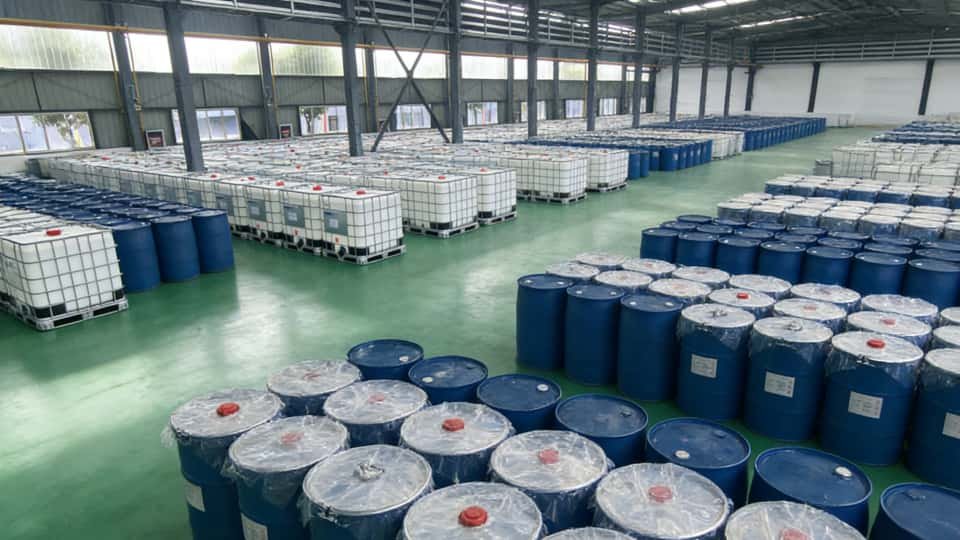
Products are stored under controlled conditions with standardized packaging, enabling efficient order fulfillment and reliable global delivery.

Clear communication and application-focused support, helping customers select suitable products and streamline procurement.
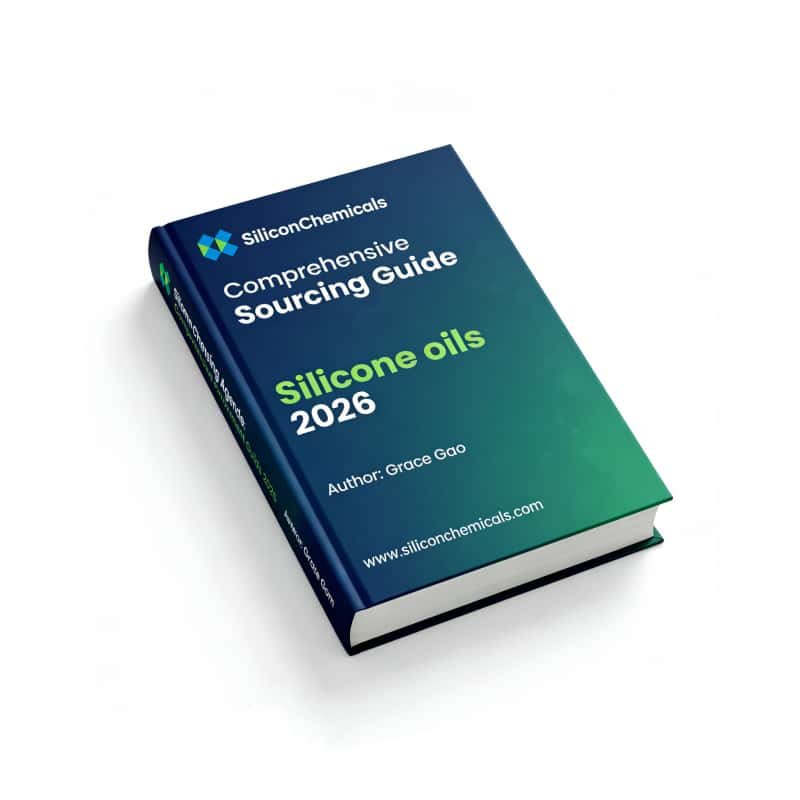
Navigate the complexities of the global Silicone Oil market. This definitive report provides actionable insights, vetted supplier landscapes, and strategic sourcing methodologies to optimize your supply chain in the year ahead.