Product Overview

Methyl Phenyl Silicone Oils (PMPS)

What Are Methyl Phenyl Silicone Oils (PMPS) ?

Methyl Phenyl Silicone Oils (PMPS) are a class of organosilicon fluids in which phenyl (–C₆H₅) groups are partially substituted for methyl (–CH₃) groups along the polysiloxane backbone.  This structural modification fundamentally changes the fluid’s physical and functional behavior compared with standard polydimethylsiloxane (PDMS) oils.  In short, PMPS are engineered silicone fluids designed for extreme thermal, radiation, electrical, and optical requirements.

SiliconChemicals Methyl Phenyl Silicone Oils (PMPS) are engineering-grade organosilicon fluids formulated by partially substituting methyl groups with phenyl groups along the siloxane backbone. This controlled chemistry delivers exceptional low-temperature fluidity, radiation resistance, dielectric stability, and elevated refractive index, enabling reliable performance where conventional PDMS fluids reach their limits.

Product CategoryPhenyl Content (mol%)Typical Viscosity @25 °C (cSt)Operating Temp. Range (°C)Refractive Index (nD25)Electrical PropertiesTypical ApplicationsKey Selection Notes
Low-Phenyl PMPS3–7%50 / 100 / 200 / 500−60 to +2001.41–1.44StableGeneral low-temp lubrication, dampingCost-effective upgrade from PDMS
Medium-Phenyl PMPS8–15%100 / 350 / 500 / 1000−70 to +2301.45–1.48ExcellentInstrument damping, aerospace auxiliariesBalanced thermal & mechanical stability
High-Phenyl PMPS16–25%500 / 1000 / 3000−80 to +2501.49–1.52OutstandingAerospace, nuclear systemsExtreme-environment specialty fluid
Ultra-Low-Temperature PMPS10–18%200 / 500 / 1000−90 to +2001.46–1.50StableCryogenic & polar equipmentFocus on viscosity-temperature slope
Radiation-Resistant PMPS15–25%350 / 1000−60 to +2501.48–1.52Extremely stableNuclear power, space electronicsResistant to γ-ray & electron exposure
Optical-Grade PMPS12–20%100 / 500−50 to +200≥1.50High insulationOptical coupling, LEDs, sensorsHigh refractive index, low haze
Electronic-Grade PMPS5–12%50 / 100 / 300−60 to +2201.42–1.47Ultra-low lossEncapsulation, damping fluidsPurity & dielectric loss critical
High-Viscosity PMPS8–20%5,000–100,000−40 to +2001.45–1.50StableDamping grease, shock absorptionShear stability required
PMPS Base Fluids (Blending Grade)Custom50–10,000−60 to +250CustomCustomFormulation & compoundingOEM-oriented raw material
PMPS Compounds / Filled SystemsCustomPaste / Gel−40 to +180CustomDamping pastes, sealingPre-formulated systems

Get a Quote / Sample

Have a question, need a quote, or want to discuss your project?   We’re here to help.

Product Range & Functional Classification

SiliconChemicals PMPS are offered across a broad, engineering-oriented product range, structured by phenyl content, viscosity, and functional performance, allowing customers to select or customize the optimal grade for demanding thermal, electrical, optical, or radiation environments.

Below is the functional classification framework used to organize SiliconChemicals® PMPS products for clear technical selection and specification alignment.

PMPS TypePhenyl Content (mol%)Functional FocusTypical Use Cases
Low-Phenyl PMPS3–7%Enhanced low-temp vs PDMSGeneral damping, low-temp lubrication
Medium-Phenyl PMPS8–15%Balanced thermal & dielectricPrecision instruments, aerospace auxiliaries
High-Phenyl PMPS16–25%Extreme cold & radiation resistanceAerospace, nuclear systems

Engineering note: Phenyl content is the primary lever controlling low-temperature fluidity, radiation tolerance, refractive index, and cost.

Viscosity ClassTypical Range @25 °CFunctional RoleTypical Applications
Low Viscosity20–100 cStFast response, heat transferSensors, electronics, light damping
Medium Viscosity100–1,000 cStStable damping & lubricationInstruments, actuators, optics
High Viscosity1,000–10,000 cStHeavy damping, vibration controlShock absorbers, precision mechanisms
Ultra-High Viscosity>10,000 cStGel-like resistanceDamping greases, specialty compounds
CategoryTypical Operating RangeKey Advantage
Standard PMPS−60 to +200 °CBroad industrial usability
Low-Temperature PMPS−70 to +230 °CReliable cold-start performance
Ultra-Low-Temperature PMPS−90 to +200 °CCryogenic & polar environments
High-Temperature PMPSUp to +250 °CThermal & oxidative stability
Functional GradeCore PropertyTypical Industries
Radiation-Resistant PMPSγ-ray & electron-beam stabilityNuclear, aerospace
Electronic-Grade PMPSLow dielectric loss, high purityElectronics, encapsulation
Optical-Grade PMPSHigh refractive index, low hazeLEDs, sensors, optical coupling
Damping-Grade PMPSStable viscosity–temperature curvePrecision instruments
Lubrication-Grade PMPSBoundary lubrication stabilityAerospace, specialty machinery
Supply FormDescriptionTypical Use
Neat FluidsPure PMPS base oilsDirect use or blending
Tailored BlendsAdjusted phenyl % or viscosityOEM formulations
Gels & PastesThickened PMPS systemsDamping, sealing
Compounded SystemsPMPS + fillers/additivesTurnkey functional solutions

SiliconChemicals® PMPS are frequently supplied as semi-custom or fully customized grades, including:

  • Phenyl content optimization
  • Non-standard viscosity points
  • Low-volatility / low-D3–D5 versions
  • Radiation-qualified formulations
  • Optical-grade purification
  • Industry-specific compounds (aerospace, electronics, optics)

In practice, over 70–80% of PMPS applications require customization rather than off-the-shelf grades.

SiliconChemicals® Methyl Phenyl Silicone Oils (PMPS) cover a complete functional spectrum—from low-viscosity electronic fluids to ultra-low-temperature, radiation-resistant specialty oils—structured to support precise engineering selection, OEM formulation, and long-term reliability.

Looking for the right PMPS grade?

Our technical team supports functional selection, datasheet matching, and custom formulation development to meet your exact application requirements.

Siliconchemicals Methyl Phenyl Silicone Oils (PMPS)

SiliconChemicals Methyl Phenyl Silicone Oils (PMPS) are high-performance silicone fluids engineered with controlled phenyl substitution to deliver exceptional low-temperature fluidity, radiation resistance, stable dielectric behavior, and high refractive index. They are designed for applications where standard PDMS oils cannot meet reliability or performance requirements.

Key advantages

  • Reliable operation at −70 °C to −90 °C (grade-dependent)
  • Radiation-resistant and thermally stable
  • Low dielectric loss for electronics
  • High refractive index (≈1.45–1.52) for optical applications
  • Available in custom phenyl content and viscosity ranges

Typical uses
Aerospace · Nuclear instrumentation · Precision damping · Electronics encapsulation · Optics & LEDs · Cryogenic systems

SiliconChemicals® PMPS are available as standard grades or customized solutions, supported by professional technical selection and formulation services.

Chemical Structure & Functional Mechanism

SiliconChemicals Methyl Phenyl Silicone Oils (PMPS) derive their performance not from additives, but from fundamental molecular design. The deliberate introduction of phenyl groups into the siloxane backbone alters chain dynamics, intermolecular interactions, and electronic structure—creating a silicone fluid engineered for extreme conditions.

PMPS are copolysiloxanes composed of two primary repeating units:

  • Dimethylsiloxane units
    –Si(CH₃)₂–O–
  • Methylphenylsiloxane units
    –Si(CH₃)(C₆H₅)–O–

These units are statistically distributed along the polymer chain.
The phenyl content (mol%) is a precisely controlled design parameter.

Generalized Structure

—[Si(CH3)2–O]m—[Si(CH3)(C6H5)–O]n—

Where:

  • m = dimethylsiloxane segments (flexibility, low viscosity)
  • n = methylphenylsiloxane segments (thermal, radiation, optical functionality)

The phenyl group is aromatic, rigid, and highly polarizable, producing several key molecular effects:

Structural EffectMolecular Consequence
Bulky aromatic ringDisrupts chain symmetry
Increased steric hindranceSuppresses crystallization
π-electron systemImproves radiation & thermal stability
Higher polarizabilityIncreases refractive index
Stronger intermolecular forcesStabilizes viscosity–temperature behavior
Low-Temperature Fluidity

Phenyl substitution prevents ordered chain packing, allowing PMPS to remain fluid at temperatures where PDMS begins to stiffen or solidify.

  • Typical pour points: −70 °C to −90 °C
  • Critical for cryogenic, aerospace, and polar applications
Thermal & Oxidative Stability

The aromatic phenyl ring is thermally robust and less prone to bond scission.

  • Slower backbone degradation at elevated temperatures
  • Improved resistance to oxidative aging compared with PDMS
Radiation Resistance

Phenyl groups act as energy-dissipation centers, absorbing ionizing radiation and reducing chain breakage.

  • Superior stability under gamma rays, electron beams, and space radiation
  • Essential for nuclear power and aerospace electronics
Electrical & Dielectric Stability

The siloxane backbone maintains intrinsic insulation, while phenyl groups stabilize dielectric behavior across temperature extremes.

  • Stable dielectric constant
  • Low dielectric loss (tan δ) in electronic-grade PMPS
  • Minimal electrical drift over long service life
Optical Performance

Phenyl rings significantly increase molecular polarizability, resulting in:

  • Higher refractive index (typically 1.45–1.52)
  • Improved optical coupling efficiency
  • Reduced mismatch losses in LEDs and sensors
Structural VariableIncreasesTrade-Off
Higher phenyl contentLow-temp fluidity, radiation resistance, RICost, density, viscosity sensitivity
Longer chain lengthViscosity, damping forceFlow response
Narrow distributionStability, predictabilityManufacturing control

Engineering reality: PMPS performance is dominated by phenyl distribution and chain architecture, not just nominal viscosity.

Unlike standard silicone oils, PMPS:

  • Are designed at the molecular level
  • Rarely function as “drop-in” replacements
  • Typically require phenyl % optimization and viscosity tuning

This is why most PMPS applications are semi-custom or fully customized formulations.

Methyl Phenyl Silicone Oils (PMPS) achieve their unique performance through controlled phenyl substitution within the siloxane backbone, enabling exceptional low-temperature fluidity, radiation resistance, dielectric stability, and optical performance—capabilities that conventional silicone oils cannot deliver.

Typical Applications

SiliconChemicals Methyl Phenyl Silicone Oils (PMPS) are selected where extreme temperature stability, radiation resistance, dielectric reliability, or optical performance is required—conditions under which conventional silicone oils (PDMS) are insufficient.

Why PMPS: Exceptional low-temperature fluidity, radiation tolerance, long service life.

Typical uses

  • Actuators and servo mechanisms
  • Gyroscopes and inertial navigation systems
  • Sensors and control units
  • Satellite and spacecraft components

Key benefits

  • Reliable cold start at −70 °C to −90 °C
  • Resistance to ionizing radiation and vacuum environments

Why PMPS: Aromatic phenyl groups dissipate radiation energy, reducing chain scission.

Typical uses

  • Nuclear instrumentation damping fluids
  • Control rod mechanisms
  • Radiation-exposed monitoring equipment

Key benefits

  • Stability under gamma rays and electron beams
  • Minimal viscosity drift over long operating periods

Why PMPS: Stable viscosity–temperature behavior and controlled damping force.

Typical uses

  • Precision gauges and meters
  • Optical and mechanical damping systems
  • Shock and vibration control devices

Key benefits

  • Predictable response across wide temperature ranges
  • Long-term damping consistency

Why PMPS: Excellent dielectric stability with low volatility and impurity control.

Typical uses

  • Electronic encapsulation and potting
  • Dielectric and insulating fluids
  • Thermal management for sensitive electronics

Key benefits

  • Low dielectric loss (tan δ)
  • Stable electrical performance at temperature extremes

Why PMPS: High refractive index and optical clarity.

Typical uses

  • Optical coupling fluids
  • LED and sensor encapsulation
  • Light-guiding and refractive index matching

Key benefits

  • Refractive index typically 1.45–1.52
  • Improved light transmission efficiency

Why PMPS: Suppressed crystallization and maintained fluidity at ultra-low temperatures.

Typical uses

  • Polar research instruments
  • Cryogenic valves and mechanisms
  • Low-temperature lubrication systems

Key benefits

  • Maintains flow and damping where PDMS stiffens or solidifies

Why PMPS: Tailorable chemistry and viscosity.

Typical uses

  • High-performance specialty lubricants
  • Custom damping and buffering systems
  • OEM-specific functional fluids

Key benefits

  • Phenyl content and viscosity can be engineered to specification
  • Compatible with custom formulations and compounds
Industry / FieldPrimary PMPS Function
Aerospace & SpaceLow-temperature & radiation stability
Nuclear PowerRadiation resistance
Precision InstrumentsStable damping
ElectronicsDielectric insulation
Optics & LEDsHigh refractive index
Cryogenic SystemsUltra-low-temperature fluidity
Need help matching a PMPS grade to your application?

SiliconChemicals® supports application-driven selection, phenyl content optimization, and viscosity tuning—from prototype evaluation to industrial supply.

Why Use Methyl Phenyl Silicone Oils (PMPS) ?

SiliconChemicals Methyl Phenyl Silicone Oils (PMPS) are chosen when standard silicone oils (PDMS) cannot meet performance requirements. Their value lies in molecular-level phenyl substitution, which delivers a combination of thermal, radiation, electrical, and optical advantages that no conventional silicone fluid can provide simultaneously.

Engineering problem: PDMS fluids stiffen or lose mobility at very low temperatures.

Why PMPS works:
Phenyl groups disrupt molecular ordering, preventing crystallization.

Result

  • Reliable fluidity down to −70 °C to −90 °C
  • Consistent damping and lubrication in cold-start conditions
  • Ideal for aerospace, cryogenic, and polar applications

Engineering problem: Ionizing radiation causes polymer chain scission in conventional silicone oils.

Why PMPS works:
Aromatic phenyl rings absorb and dissipate radiation energy.

Result

  • Stability under gamma rays, electron beams, and space radiation
  • Reduced viscosity drift and longer service life
  • Essential for nuclear power and aerospace electronics

Engineering problem: Viscosity changes cause inconsistent mechanical response.

Why PMPS works:
Stronger intermolecular interactions stabilize viscosity–temperature behavior.

Result

  • Predictable damping force over wide temperature windows
  • Improved reliability in precision instruments

Engineering problem: Electrical properties drift under thermal stress and aging.

Why PMPS works:
The siloxane backbone provides insulation, while phenyl groups stabilize dielectric behavior.

Result

  • Low dielectric loss (tan δ)
  • Stable dielectric constant across temperature extremes
  • Suitable for encapsulation and insulating fluids

Engineering problem: PDMS has insufficient refractive index for efficient optical coupling.

Why PMPS works:
Phenyl groups increase molecular polarizability.

Result

  • Refractive index typically 1.45–1.52
  • Better index matching for LEDs and sensors
  • Improved optical efficiency

Engineering problem: Fluid loss and degradation limit service life.

Why PMPS works:
Phenyl substitution improves thermal and oxidative stability.

Result

  • Reduced evaporation and degradation
  • Longer maintenance intervals
  • Lower total cost of ownership in critical systems

Engineering problem: One-grade fluids rarely meet specialized requirements.

Why PMPS works:
Phenyl content and viscosity are tunable design variables.

Result

  • Application-specific optimization
  • Semi-custom or fully custom solutions
  • Reliable performance in non-standard environments
Performance FactorPMPSPDMS
Low-temperature fluidityExcellentModerate
Radiation resistanceExcellentPoor
Dielectric stabilitySuperiorGood
Refractive indexHighLow
CustomizabilityHighLimited

Use Methyl Phenyl Silicone Oils (PMPS) when your application demands extreme low-temperature reliability, radiation resistance, stable electrical performance, or optical functionality that standard silicone oils cannot deliver.

Need help deciding if PMPS is right for your system?

SiliconChemicals® provides engineering-grade selection support, phenyl content optimization, and application-driven formulation assistance to ensure optimal performance.

How to Choose the Right Methyl Phenyl Silicone Oils (PMPS)?

Choosing the correct Methyl Phenyl Silicone Oil (PMPS) is an engineering decision, not a catalog choice. The right grade is determined by application environment, functional requirements, and long-term stability targets—with phenyl content and viscosity as the two primary design levers.

Below is a practical, engineering-grade selection workflow used for SiliconChemicals® PMPS.

Start by fixing the non-negotiable boundary conditions.

ParameterKey Questions
Temperature rangeMinimum cold-start temperature? Maximum continuous temperature?
Radiation exposureGamma rays, electron beam, space radiation?
Electrical roleInsulating, damping, encapsulation?
Optical roleLight transmission or refractive index matching?
Mechanical functionLubrication, damping, shock absorption?

Rule: If minimum temperature < −60 °C or radiation is present, PDMS is no longer suitable—PMPS is required.

Phenyl content controls low-temperature behavior, radiation resistance, refractive index, and cost.

Phenyl LevelTypical RangeWhen to Choose
Low Phenyl3–7 mol%Moderate low-temp improvement, cost-sensitive
Medium Phenyl8–15 mol%Balanced thermal, dielectric, damping performance
High Phenyl16–25 mol%Extreme cold, radiation, optical requirements

Engineering tip: Higher phenyl content is beneficial—but excessive phenyl can increase viscosity sensitivity and cost. Optimize, don’t maximize.

Viscosity defines mechanical response, not chemical performance.

FunctionTypical Viscosity Range
Fast-response electronics20–100 cSt
Precision damping100–1,000 cSt
Heavy damping / shock control1,000–10,000 cSt
Damping gels / pastes>10,000 cSt

Important: Always evaluate viscosity–temperature curves, not just room-temperature viscosity.

Functional RequirementPMPS Grade Recommendation
Ultra-low temperatureMedium–High phenyl PMPS
Radiation resistanceHigh-phenyl PMPS
Electrical insulationElectronic-grade PMPS
Optical couplingOptical-grade PMPS
Stable dampingNarrow-MWD PMPS

For electronics, optics, and aerospace, specify:

  • Low volatile content (D3–D5 control)
  • Low ionic impurities
  • Controlled moisture levels
  • Narrow molecular weight distribution

These factors often determine long-term reliability more than viscosity.

ScenarioRecommendation
General industrial useStandard PMPS grade
Aerospace / nuclearSemi-custom formulation
Optical / electronicsHigh-purity customized grade
Precision dampingApplication-tuned viscosity & phenyl %

Reality: Over 70–80% of PMPS applications require some level of customization.

Before scale-up:

  • Lab viscosity–temperature testing
  • Aging and radiation exposure tests (if applicable)
  • Electrical or optical performance validation

SiliconChemicals® supports sample evaluation and formulation refinement.

Quick Selection Matrix
ApplicationRecommended PMPS Type
Aerospace actuatorsMedium–High phenyl, 100–1,000 cSt
Nuclear instrumentationHigh phenyl, radiation-resistant
Precision instrumentsMedium phenyl, stable damping
Electronics encapsulationElectronic-grade PMPS
LEDs & opticsOptical-grade PMPS
Cryogenic systemsUltra-low-temperature PMPS

The right PMPS grade is defined by phenyl content + viscosity + functional purity—not by viscosity alone.
Correct selection ensures stable performance, long service life, and reduced system risk.

Need expert help selecting the right PMPS?

SiliconChemicals® provides engineering-driven selection support, phenyl content optimization, and application-specific formulation services—from concept to industrial supply.

Packaging & Storage

Packaging:  500 g / 1 kg / 5 kg / 25 kg / 200 kg drums / 1000L IBC container (Customized packaging is available).

Need help selecting the right Methyl Phenyl Silicone Oil (PMPS)?

SiliconChemicals supports you with engineering-driven grade selection, including phenyl content optimization, viscosity tuning, and application-specific formulation—from lab validation to reliable industrial supply.

👉 Request datasheets, samples, or a customized PMPS solution today.
Let our technical team help you achieve stable performance, longer service life, and lower system risk.

Disclaimer

“The information provided herein is based on general industry experience and is intended for reference purposes only. Actual performance and optimal usage conditions may vary depending on formulation, processing methods, substrate characteristics, and end-use requirements. Users are responsible for conducting their own tests and evaluations to determine suitability for their specific applications. No warranty, express or implied, is made regarding the completeness, accuracy, or applicability of this information.”


Technical Support & Customization

Selecting the right silane coupling agent is only the first step. Achieving optimal performance often requires application-specific evaluation and formulation optimization. Our technical team provides comprehensive support to ensure successful implementation across diverse material systems.

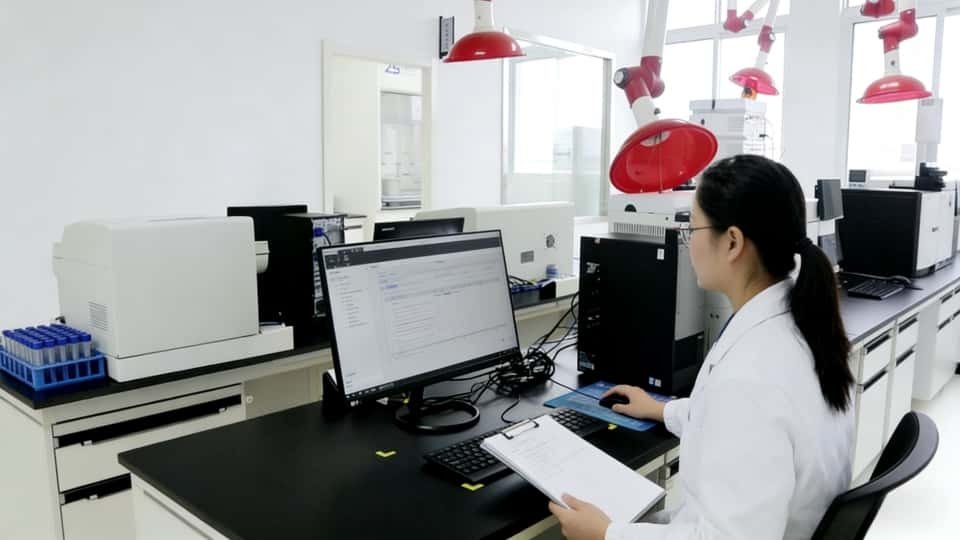
Organosilicon Laboratory

Application & Technical Support

silane coupling agent

Sample Evaluation & Testing

silane coupling agent

Customized Functional Structures

Siliconchemicals-Workshop

Formulation Optimization

R&D-Zhao

From Standard Supply to Customized Requirements

Whether you are sourcing standard-grade products or require customized specifications, packaging, or supply arrangements, our team is ready to support your needs. Contact us to discuss technical requirements, order details, and long-term cooperation options.

Why Choose SiliconChemicals ?

Built on technical expertise, manufacturing capability, and reliable supply

Organosilicon Laboratory

Laboratory & Quality Control

Supports batch quality verification & application-oriented testing, ensuring consistent performance & reliable product quality.

reactor

Manufacturing Capability

Stable, scalable manufacturing with standardized processes, supporting both regular supply and bulk industrial demand.

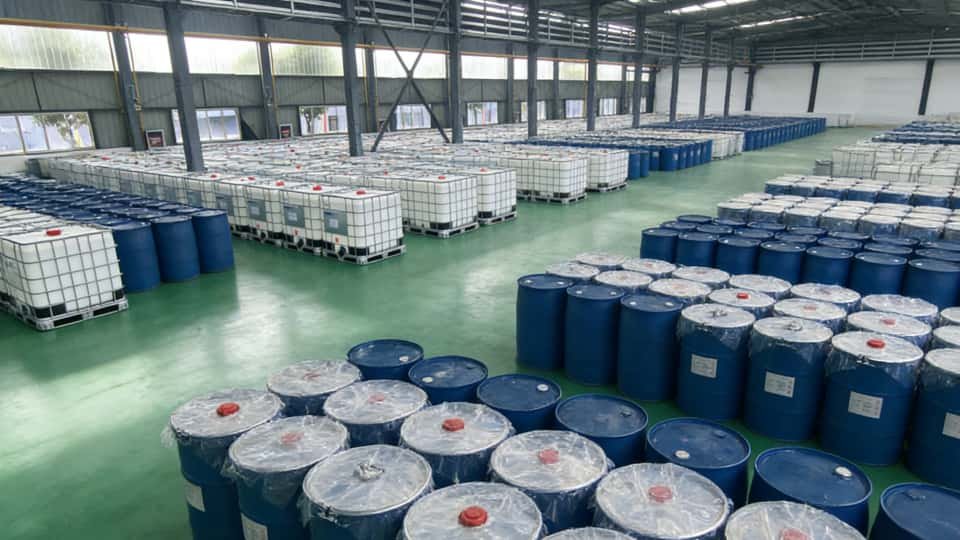
Finished product warehouse

Warehouse & Logistics Support

Products are stored under controlled conditions with standardized packaging, enabling efficient order fulfillment and reliable global delivery.

office

Sales & Technical Support

Clear communication and application-focused support, helping customers select suitable products and streamline procurement.

Comprehensive Sourcing Guide for Silicone oils 2026

Comprehensive Sourcing Guide for Silicone Oil 2026

Navigate the complexities of the global Silicone Oil market. This definitive report provides actionable insights, vetted supplier landscapes, and strategic sourcing methodologies to optimize your supply chain in the year ahead.

Get a Quote / Sample

Have a question, need a quote, or want to discuss your project?   We’re here to help.
Don’t worry, we hate spam too!  Call only when multiple emails unanswered !

Request Download

Instant download available after submit.
Have a question, need a quote, or want to discuss your project?   We’re here to help.

Don’t worry, we hate spam too!  Call only when multiple emails unanswered !