n-Octyltriethoxysilane (CAS No. 2943-75-1) is a medium-chain alkyl functional silane widely used for hydrophobic surface modification of inorganic materials. It reacts with hydroxyl groups on substrates such as silica, minerals, glass, ceramics, and metal oxides, forming a stable C8 alkyl layer that reduces surface energy, improves water repellency, enhances filler dispersion, and increases moisture resistance in coatings, construction materials, and composite systems.
| Chemical Name | n-Octyltriethoxysilane |
|---|---|
| CAS No. | 2943-75-1 |
| EINECS No. | 220-941-7 |
| Empirical Formula | C₁₄H₃₂O₃Si |
| Molecular Weight | 276.49 g/mol |
Synonyms : n-Octyltriethoxysilane / Octyltriethoxysilane / Triethoxy(octyl)silane / OTES / C8 Alkyltriethoxysilane / Dynasylan OCTEO / Momentive Y-12108
Category : Organosilicon Chemicals / Silanes / Functional Silanes / Alkyl Silanes ; Alkyl Silanes / Medium-Chain Alkyl Silanes / Hydrophobic Silanes / Surface Treatment Silanes / Non-Functional Silanes / Organosilicon Surface Modifiers
n-Octyltriethoxysilane is a medium-chain alkyl functional organosilane engineered for hydrophobic surface modification of inorganic materials. The triethoxysilane groups undergo controlled hydrolysis and condensation, enabling the molecule to chemically bond with hydroxyl-rich substrates such as silica, minerals, glass, ceramics, cementitious materials, and metal oxides. Once anchored, the linear C8 alkyl chains orient outward to form a uniform, low-surface-energy layer.
This surface-bound alkyl layer effectively reduces water absorption, improves moisture resistance, and enhances the dispersion and interfacial compatibility of inorganic fillers in organic matrices. Compared with trimethoxy analogs, the triethoxy structure provides slower, more controllable hydrolysis, offering improved processing stability and handling. n-Octyltriethoxysilane is widely used in construction materials, coatings, fillers, and composite systems where reliable hydrophobic performance and good processing flexibility are required.
| Item | Specification |
|---|---|
| Chemical Name | n-Octyltriethoxysilane |
| CAS No. | 2943-75-1 |
| EINECS No. | 220-941-7 |
| Molecular Formula | C₁₄H₃₂O₃Si |
| Molecular Weight | 276.49 g/mol |
| Appearance | Colorless to light yellow transparent liquid |
| Purity (GC) | ≥ 97.0% |
| Density (25 °C) | approx. 0.87–0.91 g/cm³ |
| Refractive Index (25 °C) | approx. 1.42–1.44 |
| Boiling Point | > 250 °C (decomposes) |
| Flash Point | > 95 °C |
| Solubility | Insoluble in water; soluble in common organic solvents |
| Hydrolysis Behavior | Slowly hydrolyzes in the presence of moisture |
| Storage Stability | ≥ 12 months in sealed original container |
Note: The above values are typical reference data. Actual specifications may vary slightly depending on batch and test methods.
| Property | Value / Description |
|---|---|
| Chemical Name | n-Octyltriethoxysilane |
| CAS No. | 2943-75-1 |
| EINECS No. | 220-941-7 |
| Molecular Formula | C₁₄H₃₂O₃Si |
| Molecular Weight | 276.49 g/mol |
| Chemical Type | Alkyltrialkoxysilane (alkyl silane surface modifier) |
| Functional Group | Triethoxysilane, –Si(OC₂H₅)₃ |
| Alkyl Chain | Linear C8 (n-octyl) |
| Physical State | Liquid |
| Appearance | Colorless to light yellow, clear liquid |
| Odor | Mild characteristic odor |
| Purity (Typical) | ≥ 97.0% |
| Density (25 °C) | approx. 0.87–0.91 g/cm³ |
| Refractive Index (n²⁵ᴰ) | approx. 1.42–1.44 |
| Melting / Pour Point | typically < 0 °C |
| Boiling Point | > 250 °C (decomposes) |
| Flash Point | > 95 °C |
| Vapor Pressure (25 °C) | Very low |
| Water Solubility | Not soluble; reacts slowly with water (hydrolysis) |
| Solubility in Organic Solvents | Soluble in alcohols, ketones, esters, aromatic and aliphatic hydrocarbons |
| Hydrolysis Behavior | Controlled hydrolysis under neutral conditions; rate increases with acid or base catalysis |
| Condensation Behavior | Silanol groups condense to form siloxane bonds and anchor to substrate surfaces |
| Reactivity with Substrates | Reacts with hydroxyl groups on silica, glass, alumina, minerals, and metal oxides |
| Surface Effect | Forms outward-oriented C8 alkyl layer, reducing surface energy and improving hydrophobicity |
| Thermal Stability | Stable under normal processing and dry storage conditions |
| Chemical Stability | Stable when dry; moisture-sensitive alkoxysilane |
| Storage Stability | ≥ 12 months in sealed, cool, dry, and well-ventilated conditions |
| Application Area | Typical Dosage* | Recommended Form / Dilution | Application Method | Process Notes (Engineering) |
|---|---|---|---|---|
| Mineral fillers & pigments (silica, CaCO₃, talc, alumina, wollastonite) | 0.3–1.5 wt% (based on filler) | Neat or 5–20% solution in alcohol / hydrocarbon solvent | Dry blending / slurry treatment | Higher BET surface area → higher dosage; ensure uniform wetting to avoid patchy hydrophobicity |
| Powder surface modification (anti-caking powders) | 0.5–1.2 wt% | Neat or pre-diluted | High-speed mixer / coating reactor | 40–80 °C improves fixation; post-curing enhances durability |
| Construction materials (cement, mortar, gypsum) | 0.2–0.6 wt% (on solids) | Pre-diluted additive | Direct addition / impregnation | Overdosage may reduce adhesion or strength—optimize vs. water absorption |
| Coatings & paints (architectural / industrial) | 0.1–0.4 wt% (on formulation) | 5–20% solution; optional pre-hydrolysis | Direct addition (let-down) | Add late to minimize premature hydrolysis; check resin compatibility |
| Glass / ceramics / metal oxides | 0.5–1.0 wt% treatment solution | 0.5–2% in alcohol | Dip / spray / wipe | Clean, hydroxylated surface required; thin multiple coats preferred |
| Polymer & composite compounding (filler treated) | 0.2–1.0 wt% (on filler) | Pre-treated filler / masterbatch | Masterbatch or in-situ treatment | Pre-treated fillers give best dispersion and moisture resistance |
*Final dosage depends on substrate surface area (BET), hydroxyl density, target contact angle, and processing route.
1) Substrate preparation
2) Optional pre-hydrolysis (for liquid systems)
3) Treatment & curing
| Item | Details |
|---|---|
| GHS Classification | Skin Irrit. 2; Eye Irrit. 2 (OSHA HazCom 2024 / supplier SDS). |
| Signal Word | Warning. |
| Pictogram | GHS07 (Exclamation Mark) (typical for irritant classification). |
| Hazard Statements (H) | H315 Causes skin irritation; H319 Causes serious eye irritation. |
| Additional Hazard (supplier-dependent) | Some EU/CLP SDS also list STOT SE 3 (H335) May cause respiratory irritation. |
| Precautionary Statements (P) — core set | Wash after handling; wear protective gloves/protective clothing/eye/face protection; IF ON SKIN: wash with soap and water; IF IN EYES: rinse cautiously with water, remove contact lenses if present, continue rinsing; seek medical advice if irritation persists. |
| PPE (practical) | Tight-sealing safety goggles / face protection; chemical-resistant gloves; protective clothing; ensure adequate ventilation. |
| Handling / Storage (key point) | Keep containers tightly closed; store in a dry, cool, well-ventilated place; avoid incompatible materials (e.g., acids/bases/oxidizers per SDS). |
| Mode / Regulation | UN No. | Proper Shipping Name | Class | Packing Group | Marine Pollutant | Status (per SDS) |
|---|---|---|---|---|---|---|
| DOT (US) | — | — | — | — | — | Not regulated. |
| TDG (Canada) | — | — | — | — | — | Not regulated. |
| IATA / ICAO (Air) | — | — | — | — | — | Not regulated. |
| IMDG / IMO (Sea) | — | — | — | — | — | Not regulated. |
| ADR / RID (EU Road/Rail) | — | — | — | — | — | Commonly stated as Not dangerous goods in EU-format SDS. |
Compliance note: GHS and transport determinations can vary by supplier grade and regional rules—always follow the latest SDS for the exact product you ship.
Q1: What is n-Octyltriethoxysilane mainly used for?
It is mainly used as a hydrophobic surface treatment silane for inorganic substrates (silica, minerals, glass, ceramics, metal oxides, cementitious materials). It reduces surface energy, improves water repellency, and enhances dispersion/compatibility of fillers in coatings, plastics, and construction materials.
Q2: How does it create a water-repellent surface?
The triethoxysilane groups hydrolyze (in the presence of trace moisture) to silanols, which chemically bond to surface hydroxyl groups. The C8 alkyl chains orient outward, forming a low-surface-energy layer that repels water.
Q3: Why choose the triethoxy version instead of trimethoxy?
Triethoxy silanes generally hydrolyze more slowly and are easier to control in processing, giving improved handling stability and reduced risk of premature condensation—especially in liquid-phase treatment and coating formulations.
Q4: How does C8 compare with C10/C12/C16 alkyl silanes?
C8 provides good, cost-effective hydrophobicity and better processing stability, but its long-term hydrophobic durability is typically lower than C10/C12/C16. It is often selected when “good water repellency + easy processing” is the priority.
Q5: What substrates work best with this silane?
Hydroxyl-containing inorganic surfaces perform best: silica, alumina, calcium carbonate, talc, glass, ceramics, concrete/mortar, and many metal oxides.
Q6: Is pre-hydrolysis required?
Not always, but it is recommended for uniformity in coatings and liquid treatments. Controlled pre-hydrolysis typically improves surface coverage consistency and bonding efficiency.
Q7: Can it be used in water-based systems?
Direct addition to water is not recommended because hydrolysis can become uncontrolled. For water-based formulations, pre-hydrolyze in alcohol and introduce under controlled mixing conditions.
Q8: What is the typical dosage range?
Common dosage is 0.1–1.5% depending on substrate surface area (BET), hydroxyl density, and the required water repellency. High-surface-area silica usually requires the higher end of the range.
Q9: Will it affect color, transparency, or mechanical properties?
At proper dosage, it typically has minimal impact on color/appearance. By improving dispersion and filler-matrix compatibility, it often improves mechanical performance rather than reducing it.
Q10: What are common process mistakes to avoid?
Q11: What safety precautions are recommended?
Avoid skin and eye contact, prevent inhalation of vapors/mist, ensure ventilation, and wear gloves + safety goggles. Follow the supplier SDS for your specific grade (classification may vary by supplier/region).
Q12: Is it regulated as dangerous goods for transport?
Many supplier SDS list it as not regulated under DOT/ADR/IMDG/IATA, but transport status can vary by supplier grade. Always ship according to the SDS Section 14 for the exact product.
Q13: How should it be stored to maintain quality?
Store in tightly sealed original containers in a cool, dry, well-ventilated place, protected from moisture and direct sunlight. As an alkoxysilane, it is moisture-sensitive; exposure to humidity can shorten shelf life.
Q14: Can you support formulation or process optimization?
Yes—typical support includes dosage optimization, hydrolysis conditions, treatment method selection (dry vs slurry vs impregnation), and performance benchmarking (contact angle, water absorption, dispersion/flowability tests).
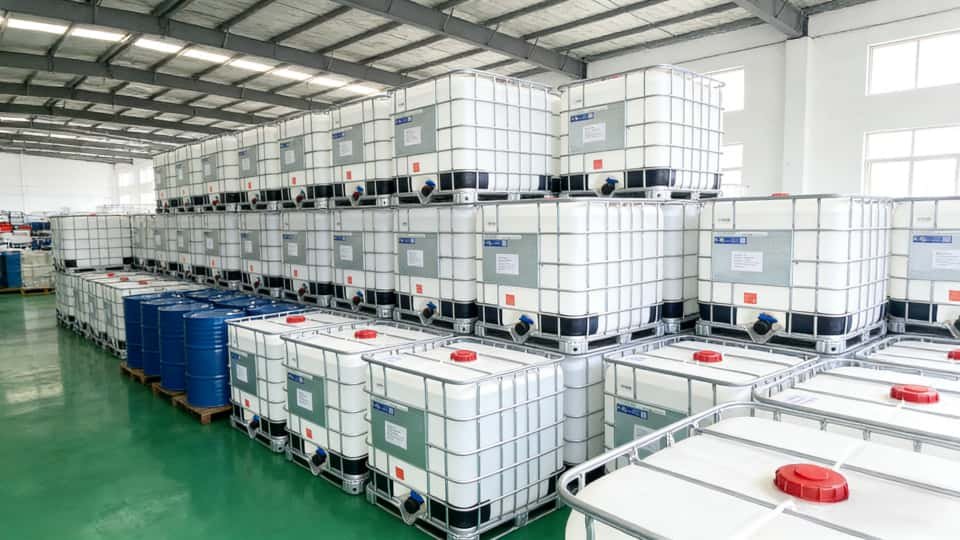
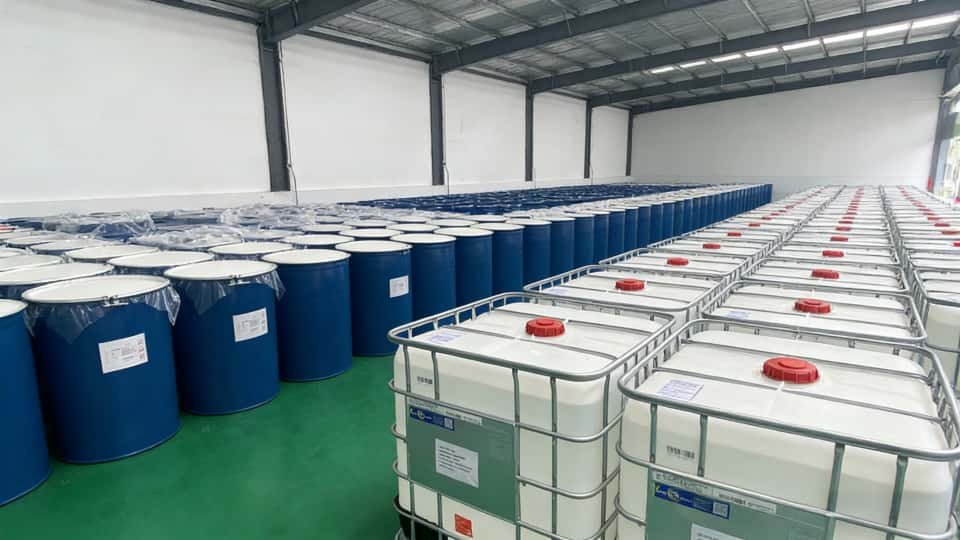
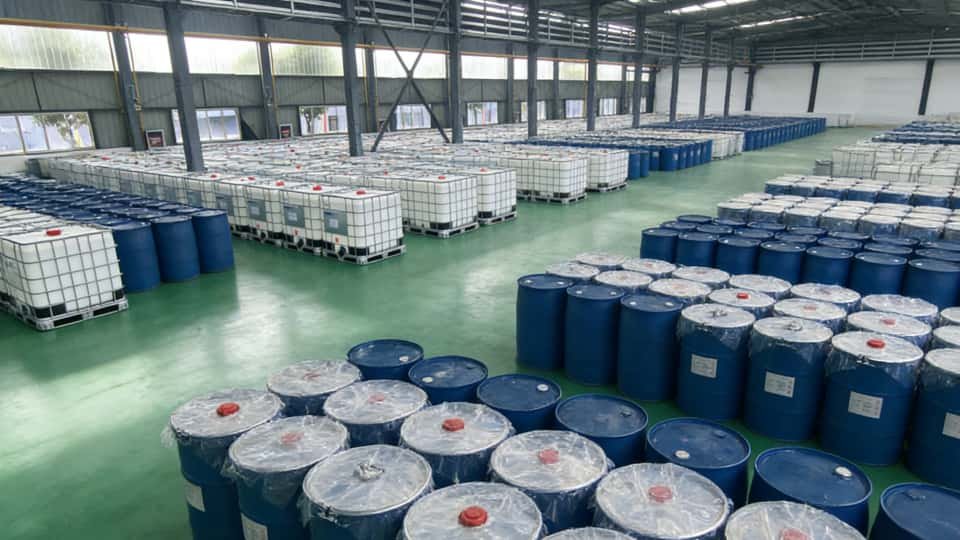
Packaging: 500 g / 1 kg / 5 kg / 25 kg / 200 kg drums / 1000L IBC container (Customized packaging is available).
Storage: Store in tightly sealed original containers in a cool, dry, and well-ventilated place. Protect from moisture, humidity, and direct sunlight, and keep away from acids, alcohols, amines, and oxidizing agents. Recommended storage temperature: ambient conditions.
Shelf Life: 12 months from date of manufacture when stored under recommended conditions.
“The information provided herein is based on general industry experience and is intended for reference purposes only. Actual performance and optimal usage conditions may vary depending on formulation, processing methods, substrate characteristics, and end-use requirements. Users are responsible for conducting their own tests and evaluations to determine suitability for their specific applications. No warranty, express or implied, is made regarding the completeness, accuracy, or applicability of this information.”
Grace Gao / Sales Manager
Email : Inquiry@SiliconChemicals.com
Tel : +86-133-3518-4513
WhatsApp : +8613335184513
Have a question, need a quote, or want to discuss your project? We’re here to help.
Built on technical expertise, manufacturing capability, and reliable supply
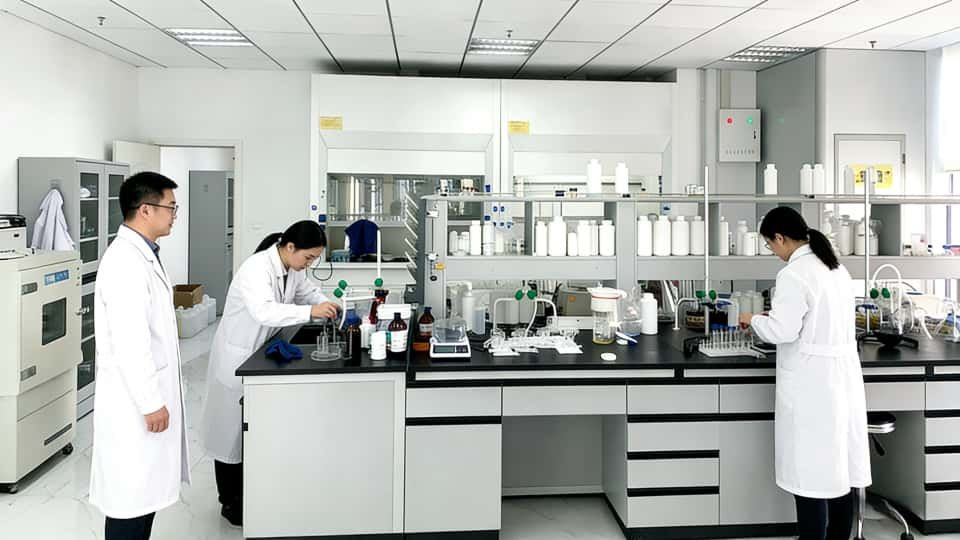
Supports batch quality verification & application-oriented testing, ensuring consistent performance & reliable product quality.
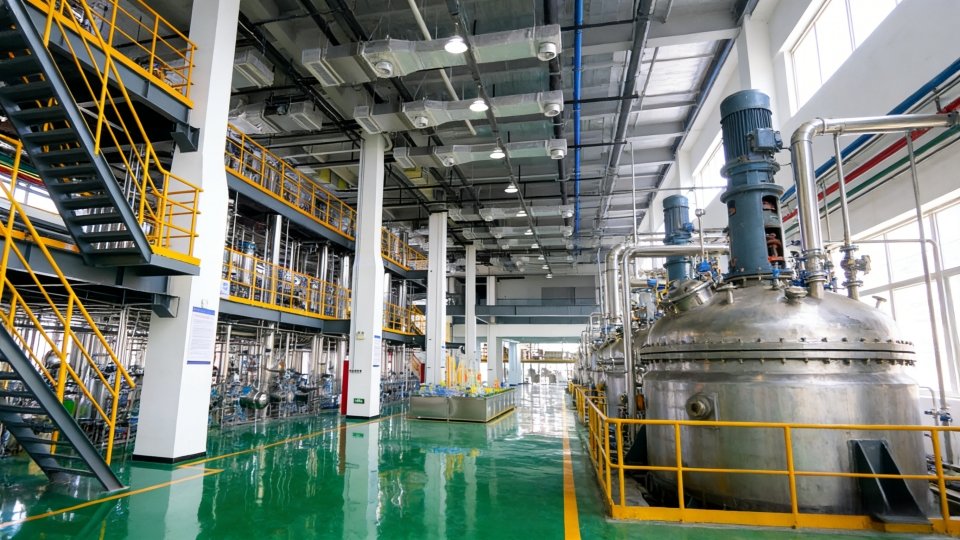
Stable, scalable manufacturing with standardized processes, supporting both regular supply and bulk industrial demand.
Products are stored under controlled conditions with standardized packaging, enabling efficient order fulfillment and reliable global delivery.

Clear communication and application-focused support, helping customers select suitable products and streamline procurement.

Navigate the complexities of the global silane market. This definitive report provides actionable insights, vetted supplier landscapes, and strategic sourcing methodologies to optimize your supply chain in the year ahead.
